Simulated Transport Vibration Test Machine
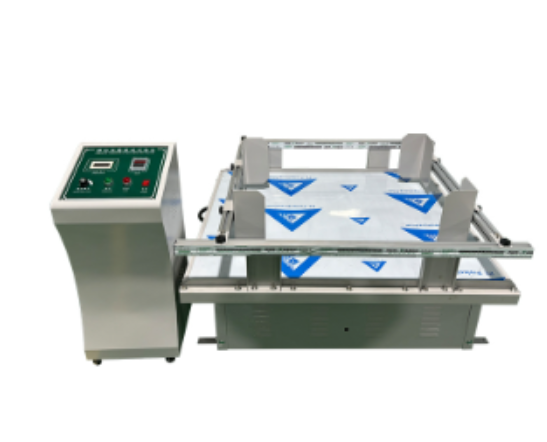


The Simulated Transport Vibration Test Machine is designed to reproduce vibration conditions encountered during transportation. It is widely used to evaluate product durability, packaging integrity, and overall reliability under simulated shipping environments. By generating controlled rotary vibration, this equipment helps identify potential damage risks and supports data-driven improvements in product design and packaging performance.
Application
Suitable for testing: packaged products, electronic devices, household appliances, automotive parts, industrial components
Applicable industries: packaging, logistics, electronics, automotive, consumer goods
Typical applications:
(1) Simulation of transport vibration conditions such as road bumps, turning, and handling impacts
(2) Evaluation of product structural strength and vibration resistance during shipping
(3) Optimization of packaging design to reduce damage risk
(4) Quality control testing to verify consistency of transport performance
Standards
Complies with:
(1) ISO 2247:2000
(2) ASTM D4169
(3) ISTA (International Safe Transit Association)
(4) MIL-STD-810G
(5) IEC 60068-2-6:2007
Technical Parameters
| Parameter | Specification |
|---|---|
| Maximum Test Load | 100 kg (or specified) |
| Test Table Size | 1200 × 1000 mm (or specified) |
| Frequency Range | 100–300 rpm |
| Amplitude | 1 inch (25.4 mm) |
| Vibration Mode | Rotary type |
| Control Motor | 1 HP (0.75 kW) DC motor (optional variable frequency motor) |
| Power Supply | AC 220V, 50 Hz |
| Machine Weight | Approx. 100 kg |
Features
(1) Digital display for real-time vibration frequency monitoring
(2) Synchronous belt drive system ensures low noise operation
(3) Rail-type sample clamping structure for safe and convenient handling
(4) Heavy-duty channel steel base with vibration damping pads for stable operation
(5) DC motor with adjustable speed provides smooth performance and reliable load capacity
(6) Rotary vibration mode aligned with common international transport testing practices
Maintenance Information
Keep the test platform and guide rails clean to ensure stable clamping performance
Regularly inspect the belt drive system and motor condition
Check fasteners and structural components to maintain operational safety
Ensure proper power supply and grounding before operation
Periodically verify vibration parameters to maintain test accuracy
FAQ
(1) What is the Simulated Transport Vibration Test Machine used for?
The Simulated Transport Vibration Test Machine is mainly used to simulate vibration conditions during transportation. It helps evaluate whether products and packaging can withstand shocks, collisions, and continuous vibration during shipping, reducing the risk of damage and improving overall product reliability.
(2) How to choose the right Simulated Transport Vibration Test Machine model?
When selecting a Simulated Transport Vibration Test Machine, key factors include maximum load, table size, and required vibration frequency range. Users should match these parameters with the size, weight, and transport conditions of the product to ensure accurate and meaningful test results.
(3) Does this equipment comply with international testing standards?
Yes, the Simulated Transport Vibration Test Machine is designed in accordance with widely recognized standards such as ISO 2247, ASTM D4169, and ISTA. This ensures that test results are consistent with global packaging and transportation testing requirements.
(4) Can the vibration frequency be adjusted during testing?
The Simulated Transport Vibration Test Machine uses a DC motor with speed regulation, allowing users to adjust vibration frequency within the specified range. This flexibility enables simulation of different transportation conditions and improves testing accuracy.
(5) What types of products can be tested on this machine?
This Simulated Transport Vibration Test Machine is suitable for a wide range of products, including electronics, appliances, automotive components, and packaged goods. It is especially useful for evaluating packaging effectiveness and ensuring products remain intact during transport.
Leave Message Get Price