Environmental Stress Cracking Resistance Tester
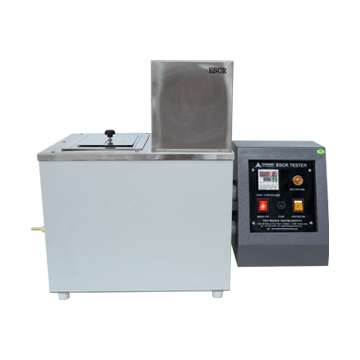


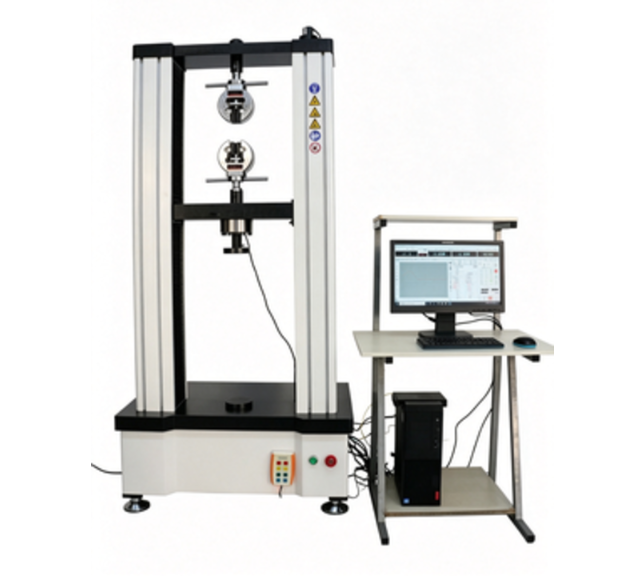
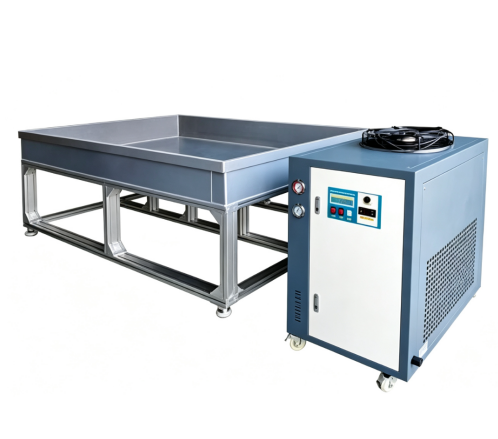
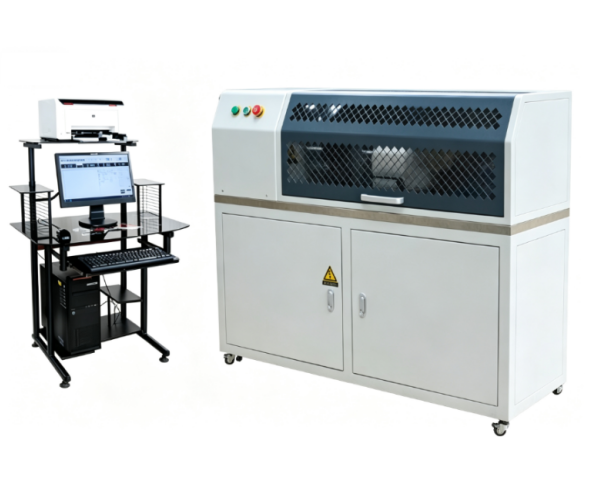
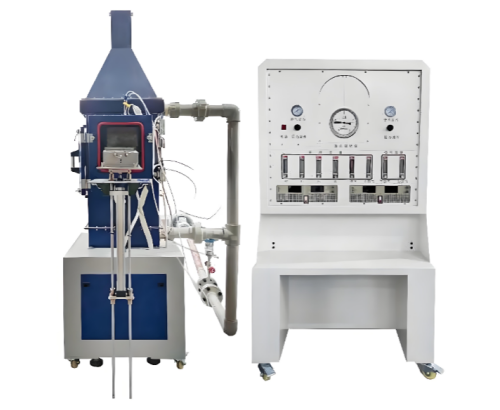
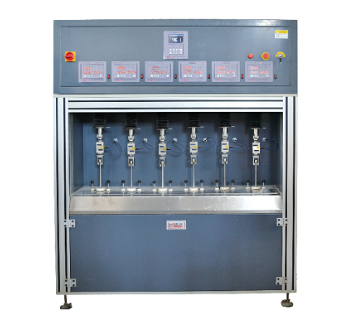
The Environmental Stress Cracking Resistance Tester (ESCR Tester) is a specialized laboratory instrument designed for evaluating the resistance of polyethylene and other thermoplastic materials to environmental stress cracking under controlled conditions. It is developed in accordance with international testing standards and provides a reliable method for assessing material durability when exposed to mechanical stress and aggressive chemical environments.
Application
(1) Plastic and Polymer Material Development
Evaluates the environmental stress cracking resistance of polyethylene and thermoplastics under various stress and chemical conditions to support material formulation optimization.
(2) Quality Control Testing
Used for testing raw materials, semi-finished products, and finished plastic products to ensure compliance with quality standards and customer requirements.
(3) Component Reliability Evaluation
Assesses the durability of plastic components used in electrical, electronic, and industrial products, helping identify potential cracking risks during service life.
(4) Packaging Material Performance Testing
Analyzes the behavior of plastic packaging materials under different environmental conditions such as temperature, chemical exposure, and storage duration.
(5) Failure Analysis and Material Comparison
Supports comparative testing between different materials or formulations to determine performance differences and failure mechanisms.
Standards
(1) ASTM D1693 – Environmental Stress Cracking of Ethylene Plastics
(2) ISO 22088-3 – Determination of Environmental Stress Cracking (ESC) – Notched Specimens Method
Technical Parameters
| Specification | Details |
|---|---|
| Temperature Range | -10°C to 100°C |
| Temperature Accuracy | ±0.2°C (±0.1°C with calibration kit) |
| Sample Capacity | 460 specimens |
| Stress Load Range | 0–50 N |
| Load Resolution | 0.1 N |
| Power Supply | 220V/50Hz (110V/60Hz optional) |
| Bath Volume | 60 L (expandable to 120 L) |
| Dimensions (W×D×H) | 1200 × 800 × 1850 mm |
| Weight | 280 kg |
Features
(1) Integrated Environmental Simulation System
Provides controlled temperature and chemical exposure conditions for reliable environmental stress cracking evaluation.
(2) Flexible Stress Loading Mechanism
Supports different loading methods to simulate real-world stress conditions and ensure consistent test results.
(3) High-Throughput Testing Capability
Allows multiple samples to be tested simultaneously, improving laboratory efficiency and productivity.
(4) Accurate Temperature Control Design
Ensures stable thermal conditions throughout the test process, supporting repeatable and comparable results.
(5) Advanced Data Acquisition System
Captures key events during crack initiation and propagation for detailed analysis.
(6) Enhanced Laboratory Safety Design
Includes safety features to manage chemical exposure and ensure safe operation during testing.
(7) User-Friendly Operation and Data Management
Supports convenient test setup, monitoring, and data export for efficient laboratory workflows.
Maintenance Information
(1) Regularly clean the bath system and vessels to prevent contamination.
(2) Inspect loading fixtures to ensure consistent stress application.
(3) Verify temperature control accuracy periodically using calibration tools.
(4) Check seals and connections to prevent leakage of chemical solutions.
(5) Maintain proper ventilation and safety systems during operation.
FAQ
(1) What is environmental stress cracking and why is it important?
Environmental stress cracking is the premature failure of plastic materials caused by the combined effect of mechanical stress and chemical exposure. Testing this property is essential for evaluating material durability and preventing product failure in real-world applications.
(2) What materials can be tested with this instrument?
The tester is primarily designed for polyethylene and other thermoplastic materials. It can also be used for evaluating certain plastic and rubber materials depending on the testing method and environmental conditions.
(3) What is the difference between ASTM D1693 and ISO 22088-3 methods?
ASTM D1693 focuses on bent strip specimens under constant load in a specific chemical environment, while ISO 22088-3 uses notched specimens to evaluate crack initiation and propagation under controlled stress conditions. The choice depends on the application and testing requirements.
(4) How long does an environmental stress cracking test take?
The test duration varies depending on material properties, applied stress, and environmental conditions. It can range from several hours to several days depending on the test method and failure criteria.
(5) How do I choose the right environmental stress cracking tester for my application?
Selection should consider sample quantity, required testing standards, temperature range, loading method, and laboratory throughput requirements. For high-volume testing and precise environmental control, a system with multi-sample capability and stable temperature management is recommended. Contact our technical team for professional selection guidance based on your testing needs.
Leave Message Get Price