Dust Layer Minimum Ignition Temperature Tester
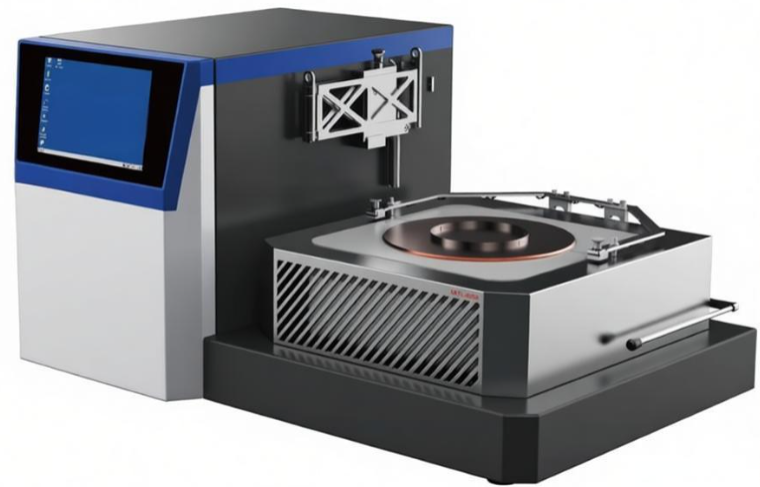


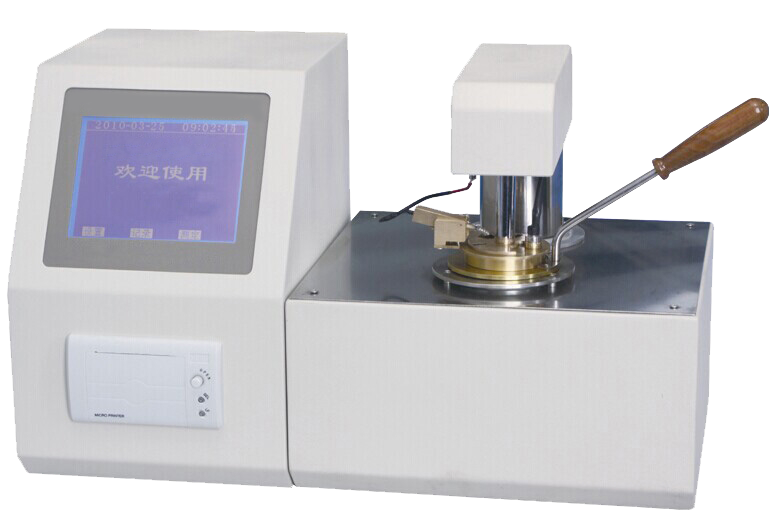
The Dust Layer Minimum Ignition Temperature Tester is a specialized laboratory instrument designed to determine the minimum hot surface temperature at which a dust layer of a specified thickness ignites. By simulating dust accumulation conditions on heated surfaces, the tester evaluates the ignition characteristics of combustible dust and provides reliable data for dust explosion prevention, industrial safety assessment, and process risk control.
Application
This instrument is mainly used for dust explosion hazard assessment in production and processing environments involving aluminum powder, zinc powder, plastic powders, intermediates of organic synthetic pharmaceuticals, wheat flour, sugar, wood dust, dyes, bakelite ash, milk powder, tea powder, tobacco dust, coal dust, plant fiber dust, and similar materials. It enables accurate determination of the minimum ignition temperature of dust in a deposited (layered) state. Test
Standards
(1) ASTM E2021
(2) EN 50281-2-1
(3) GB/T 16430
(4) IEC 61241-2
(5) ISO/IEC 80079-20-2
Technical specifications
Item | Specification |
Working Environment – Temperature Range | (5–45)°C, <85% RH |
Heating Range | Room Temperature to 450°C |
Heating Time | ≤40 min (from room temperature to 350°C) |
Temperature Control Stability | ±3.0°C |
Temperature Uniformity | ±5.0°C |
Temperature Measurement Accuracy | ±3.0°C |
Temperature Measurement Precision | ±0.1°C |
Heating Plate | Stainless steel, φ200 mm |
Metal Ring | Stainless steel, φ100 mm |
Metal Ring Height | 5 mm, 12.5 mm, 15 mm (three options) |
Ambient Temperature Measurement Range | (-10 to +60)°C |
Ambient Humidity Measurement Range | (5–95)% RH |
Interface | USB × 2 |
Power Supply | 220 VAC / 50 Hz |
Power | 2800 W |
Dimensions | 670 mm × 400 mm × 390 mm |
Features
(1) Designed for accurate determination of dust layer minimum ignition temperature.
(2) Supports different dust layer thickness conditions with multiple metal ring options.
(3) Wide heating range up to 450°C for various combustible dust evaluations.
(4) Stable temperature control system improves test repeatability.
(5) Built-in ambient temperature and humidity measurement for complete test condition recording.
(6) USB interface enables convenient data management.
(7) Suitable for laboratory research, safety assessment, and industrial hazard prevention.
Maintenance Information
(1) Clean heating plate surface after each test to avoid residue accumulation
(2) Regularly calibrate temperature sensors and control system
(3) Inspect thermocouple integrity and replace if necessary
(4) Ensure proper ventilation and stable environmental conditions
(5) Periodically check electrical connections and system safety
FAQ
(1) What is the purpose of a Dust Layer Minimum Ignition Temperature Tester?
It is used to determine the lowest hot surface temperature that can ignite a deposited dust layer, helping industries evaluate fire and explosion risks caused by combustible dust accumulation.
(2) What materials can be tested with this instrument?
It is suitable for combustible dusts such as metal powders, plastic powders, food powders, wood dust, pharmaceutical materials, coal dust, and other industrial dust samples.
(3) Why is dust layer ignition testing important?
Dust deposits on heated equipment surfaces may become an ignition source. Testing helps determine safe operating temperatures and supports explosion prevention measures.
(4) Which standards are used for dust layer ignition testing?
Common standards include ASTM E2021, EN 50281-2-1, GB/T 16430, IEC 61241-2, and ISO/IEC 80079-20-2 for combustible dust safety evaluation.
(5) How to select a suitable dust ignition tester?
Selection depends on the dust type, applicable standard, temperature range, and laboratory requirements. QINSUN engineers can recommend a suitable testing solution. Contact us for professional support.
Leave Message Get Price