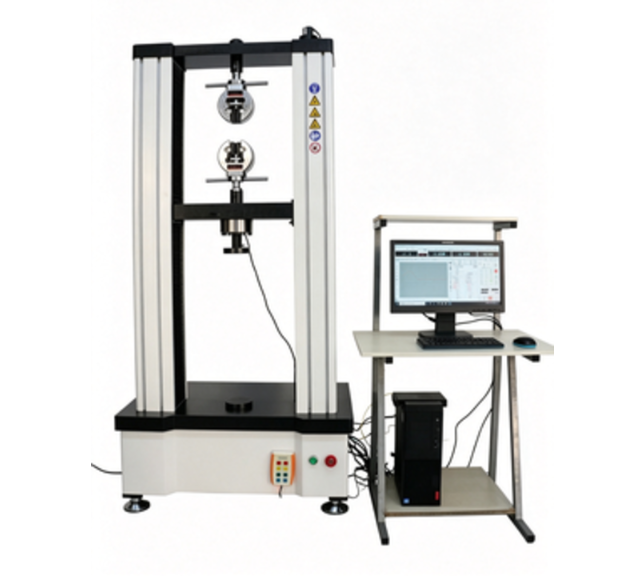
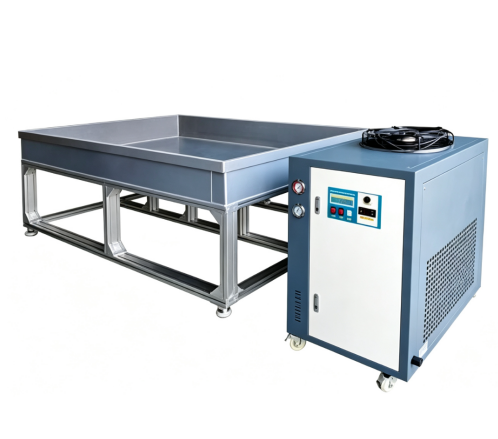
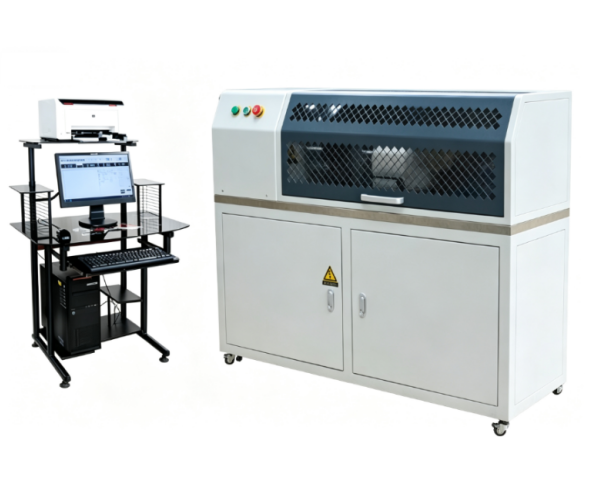
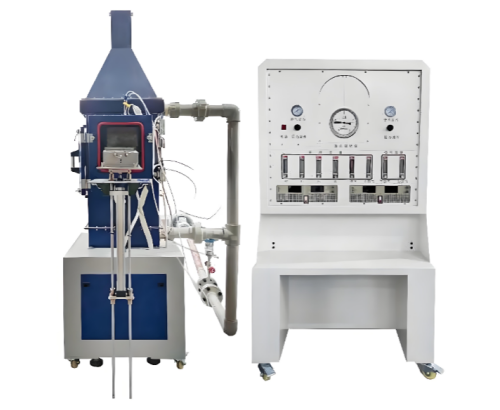
Horizontal Fire Resistance Test Furnace
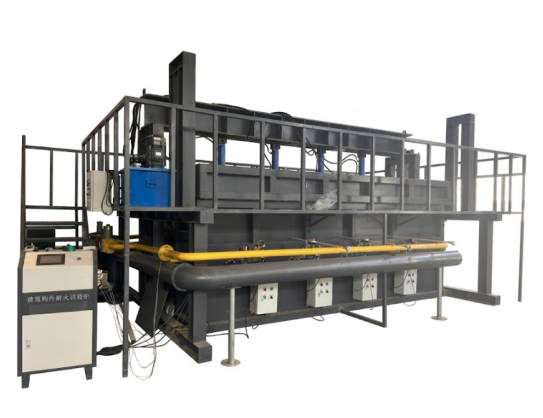


The Horizontal Fire Resistance Test Furnace is designed for evaluating the fire resistance performance of building structural components under standard fire exposure conditions. It is suitable for testing beams, slabs, and single-storey frame structures. The system integrates furnace structure, combustion system, exhaust system, control system, and gas safety alarm system, providing a complete and reliable fire testing solution compliant with international standards.
Application
The furnace is used for fire resistance testing of structural elements including steel beams, reinforced concrete beams, reinforced concrete slabs, and composite structures. It is widely applied in construction material testing laboratories, certification bodies, research institutes, and fire safety engineering centers.
Standards
(1) EN 1363-1 (Fire resistance tests – General requirements)
(2) ISO 834 (Fire-resistance tests – Elements of building construction)
(3) GB/T 9978 (Fire resistance test methods for building components)
(4) ASTM E119 (Fire tests of building construction and materials)
(5) ASTM E1529 / UL 1709 (Hydrocarbon fire curve)
(6) BS 476 (Fire tests on building materials and structures)
Parameters
Furnace System
| Item | Specification |
|---|---|
| Furnace Type | Horizontal fire resistance test furnace |
| Internal Dimensions | 6.0 × 4.0 × 1.5 m |
| Maximum Temperature | 1200°C |
| Fuel Type | Natural gas |
| Max Gas Consumption | 280 m³/h |
| Max Air Consumption | 3360 m³/h |
| Furnace Pressure | 10 ± 5 Pa |
| Continuous Test Duration | Up to 240 min |
| Outer Wall Temperature | ≤ 45°C + ambient |
Specimen Capacity
| Item | Specification |
|---|---|
| Beam Size | 4000 × 400 × 400 mm |
| Slab Size | 6000 × 3000 × 150 mm |
| Frame Structure | Span 4000 mm, column height 2000 mm |
Temperature Control System
| Item | Specification |
|---|---|
| Heating Curve | ISO 834 / GB/T 9978 |
| Control Accuracy | ≤ ±5% after 30 min |
| Temperature Uniformity | ±50°C (non-combustible) |
| Thermocouples | 8 channels |
| Specimen Temperature Channels | 10 channels |
Data Acquisition
| Item | Specification |
|---|---|
| Furnace Temperature | 8 channels |
| Specimen Temperature | 10 channels |
| Displacement | 12 channels |
| Load | 8 channels |
Features
The furnace adopts a modular refractory structure with high thermal efficiency and long service life. A dual-zone temperature control system ensures precise tracking of standard fire curves. High-speed gas burners with automatic ignition and flame monitoring provide stable and efficient combustion. The system supports half-furnace operation using movable partition walls to reduce energy consumption. Advanced PLC and industrial PC control enable real-time monitoring, data acquisition, and automatic report generation. Comprehensive safety systems include gas shut-off, over-temperature protection, pressure alarms, and emergency stop functions.
Accessories
(1) Furnace body and steel platform
(2) Combustion system with burners
(3) Exhaust and chimney system
(4) PLC control system and industrial PC
(5) Thermocouples and sensors
(6) Gas and air pipeline systems
(7) Safety alarm and protection devices
(8) Observation ports with quartz glass
(9) Movable partition wal
FAQ
(1) What components can be tested using a horizontal fire resistance furnace?
The furnace is mainly used for testing horizontal structural components such as steel beams, reinforced concrete beams, concrete slabs, and composite structures. It evaluates their ability to maintain structural integrity and fire resistance under high-temperature conditions.
(2) What fire curve does the furnace use for testing?
The system supports standard fire curves including ISO 834 and GB/T 9978. These curves define temperature rise requirements during fire exposure to ensure test results are comparable and compliant with recognized fire resistance evaluation methods.
(3) How long can continuous fire resistance testing be performed?
The standard configuration supports continuous testing up to 240 minutes. The actual test duration depends on the specimen type, applicable standard requirements, and fire resistance rating being evaluated.
(4) Which industries use horizontal fire resistance test furnaces?
They are widely used in construction material testing laboratories, certification organizations, universities, research institutes, and fire safety engineering centers for evaluating structural fire performance.
(5) How can I select a suitable fire resistance test furnace?
Selection should consider specimen size, required fire standard, temperature range, test duration, and data acquisition requirements. For customized solutions, engineering support, and application cases, please contact our engineers for professional guidance.
Leave Message Get Price