Low-temperature Flexural strength Test Chamber for Shoe Uppers
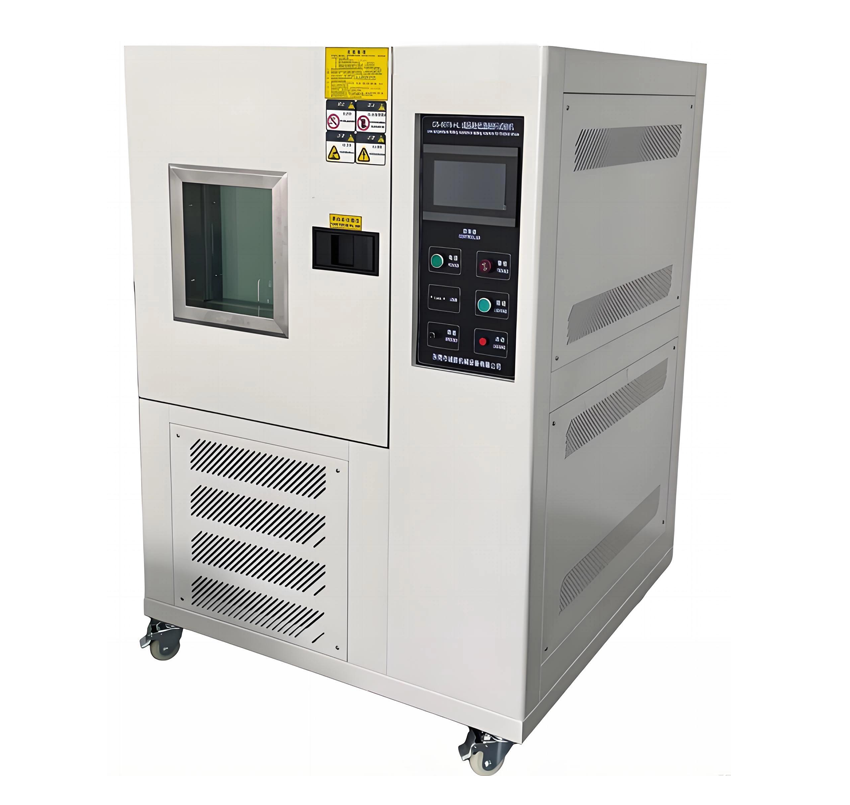


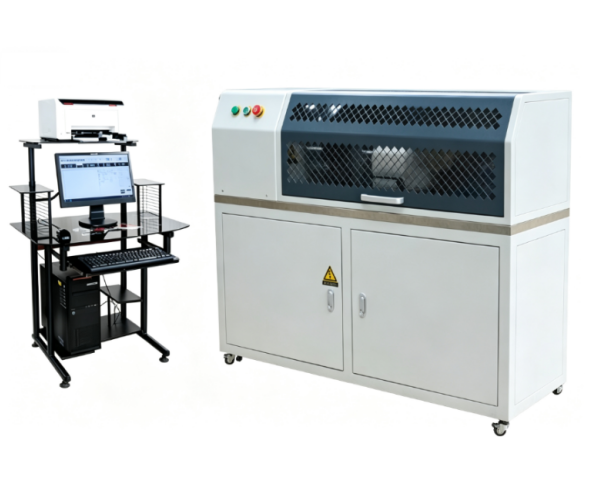
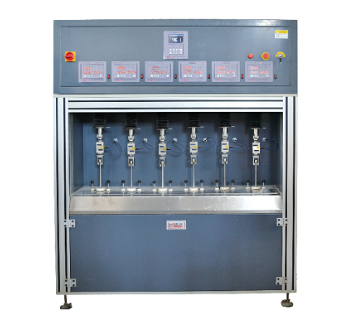
This Low Temperature Flexing Test Chamber is mainly used to test the cold resistance and flexing resistance of footwear and shoe materials in low-temperature environments. The purpose is to evaluate how materials or finished products perform under cold climate or low-temperature conditions.
Various flexing test devices can be installed inside the chamber to conduct different bending or flexing tests.
Functions
Testing the flexing resistance of sole specimens and similar materials.
Evaluating the cold resistance and bending performance of materials under low-temperature environmental conditions.
Standards
(1) GB/T 20991-2007
(2) EN ISO 20344:2012
(3) QB/T 2224-2017
(4) SATRA TM25
(5) ISO 4643
(6) ISO 5423
Parameters
Group A – Upper Leather Flexing Fixture
(1) Flexing speed: (100 ± 10) r/min
(2) Flexing stroke: (19 ± 1.5) mm
(3) Specimen size: (70 ± 1) mm × (64 ± 1) mm
(4) Number of test samples: 12 specimens
(5) Fixture clamping angle: (40 ± 1)°
Technical Specifications
(1) Control system: Balanced temperature control system
(2) Temperature range: -40°C ~ +150°C
(3) Temperature fluctuation: ≤ ±0.5°C
(4) Temperature uniformity: ≤ 2°C
(5) Temperature accuracy: ±0.2°C
(6) Heating time:+25°C → +85°C: approximately 30 minutes under no-load conditions
(7) Cooling time:+25°C → -40°C: approximately 30 minutes to reach -20°C under no-load conditions
(8) Standard Test Chamber Configuration:
Observation window: 320 × 420 × 40 mm, three-layer vacuum tempered glass
Handle: Flush-mounted embedded handle
(9) Door hinge: SUS #304 imported stainless steel hinge
(10) Interior lighting: LED energy-saving lamp
(11) Cable port: φ50 mm × 1 (with rubber plug)
(12) Heating rate: 3–5°C/min (average)
(13) Cooling rate: 0.7–1°C/min (average)
Standard Accessories Supplied
(1) Main testing machine: 1 unit
(2) Cutting die: 1 piece
(3) Instruction manual: 1 copy
(4) Delivery note: 1 copy
(5) Packing list: 1 copy
Features
Surface treatment: The machine body uses DuPont powder coating (USA) with an electrostatic spraying process, cured at 200°C high temperature to ensure long-lasting color stability without fading.
Inner chamber: Made of high-quality stainless steel, with semi-circular corner design for easier cleaning.
Air circulation system: A well-designed air duct and circulation system ensures excellent temperature uniformity inside the working chamber.
Air convection: Equipped with a high-performance motor and fan blades to provide gentle air circulation, allowing continuous air renewal inside the chamber.
Door sealing and insulation: Nano-material door sealing strips and thermal insulation materials enhance the overall performance of the equipment.
Outer casing: Manufactured from cold-rolled steel plates with electrostatic powder coating.
Insulation material: 100 mm high-temperature-resistant rigid polyurethane foam.
Heating system: Fin-type stainless steel electric heating tube.
Heat exchange system: Uses high-efficiency SWEP refrigerant heat exchange technology.
Controller: Weinview (Taiwan) TH7010 touchscreen intelligent programmable temperature controller.
FAQ
1.What is a Low Temperature Flexing Test Chamber?
A Low Temperature Flexing Test Chamber is a specialized piece of equipment designed to evaluate the performance and durability of materials and products under low temperature conditions. This chamber simulates extreme cold environments to test how various materials, such as plastics, rubber, and textiles, behave when subjected to flexing or bending at these temperatures. By assessing the performance of these materials in a controlled setting, manufacturers can ensure their products meet industry standards and requirements.
2.What materials can be tested in a Low Temperature Flexing Test Chamber?
A Low Temperature Flexing Test Chamber can test a wide range of materials, including but not limited to rubber, plastics, coatings, and composite materials. These materials are often used in various applications, such as automotive, aerospace, electronics, and outdoor gear. The chamber helps determine how these materials perform under conditions that mimic real-life scenarios, such as winter weather or high-altitude environments where temperatures drop significantly.
3.How does the Low Temperature Flexing Test work?
The Low Temperature Flexing Test involves placing a material sample within the test chamber and exposing it to a predefined low temperature for a specific duration. During this time, the material is subjected to repeated flexing or bending movements, simulating real-world conditions. The chamber maintains the low temperature while the material is flexed, allowing for accurate assessment of how well it withstands stress without cracking, breaking, or experiencing other forms of failure.
4.What are the benefits of using a Low Temperature Flexing Test Chamber?
Using a Low Temperature Flexing Test Chamber offers several benefits, including ensuring product reliability and longevity. Manufacturers can identify potential weaknesses in materials before they are used in end products, leading to better quality control. Additionally, it helps businesses comply with industry standards and regulations, ultimately reducing the risk of product failure in cold environments and enhancing customer satisfaction.
5.What industries commonly use Low Temperature Flexing Test Chambers?
Low Temperature Flexing Test Chambers are utilized across various industries, including automotive, aerospace, electronics, and consumer goods. For instance, automotive manufacturers might test rubber seals and components to ensure they perform well in cold weather, while aerospace companies assess materials used in aircraft. Additionally, consumer goods manufacturers may test outdoor gear and clothing to ensure they can endure harsh climates.
6.Can Low Temperature Flexing Test Chambers be customized?
Yes, many manufacturers offer customizable Low Temperature Flexing Test Chambers to meet specific testing needs. Customization may include adjusting temperature ranges, test duration, and flexing mechanisms to better suit particular materials or products. Companies looking to conduct specific tests can work with chamber manufacturers to design a setup that aligns with their testing protocols and requirements.
Leave Message Get Price