Scratch 5.5 Resistance Tester
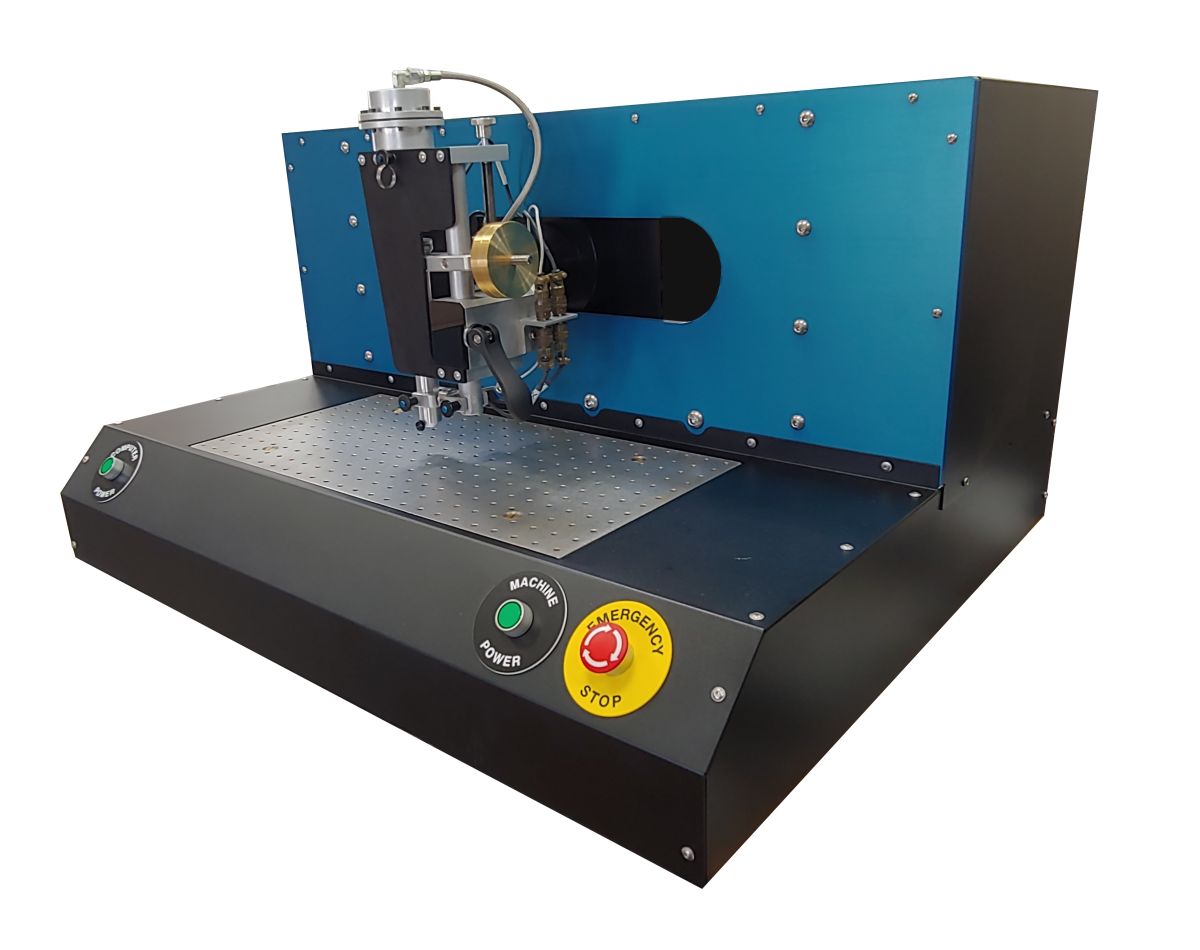


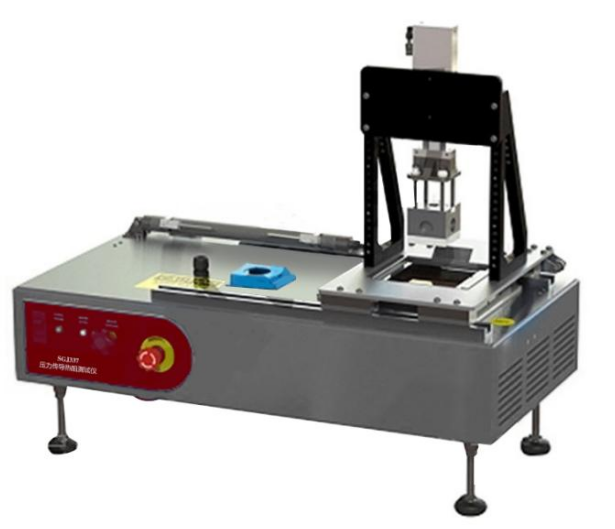
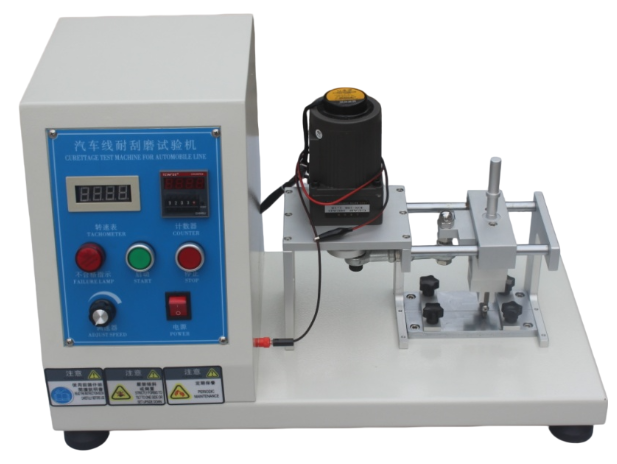
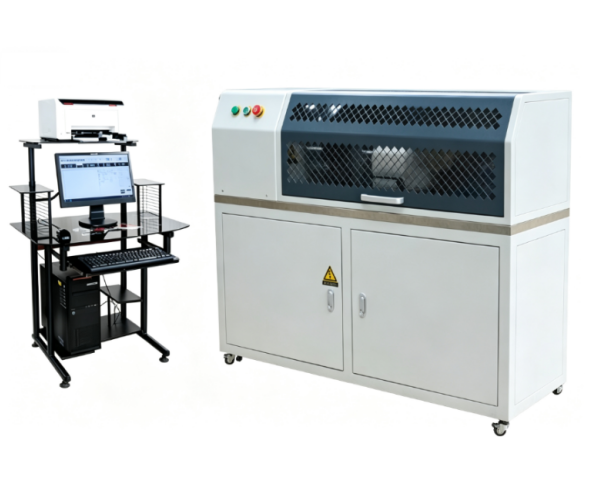
The Scratch 5.5 Machine is a research-grade tribology instrument for macroscopic scratch and wear testing of polymers, coatings, films, and bulk materials. It enables rigorous analysis of scratches, wear, and other surface properties for both research and industrial applications.
Application
(1) Automotive Industry: Scratch and wear testing of interior panels, dashboards, bumpers, coatings, and painted surfaces.
(2) Aerospace Industry: Durability testing of aircraft interior panels, seating materials, and exterior composite coatings.
(3) Consumer Electronics: Scratch resistance testing for smartphone screens, laptop casings, tablet surfaces, and wear of plastic enclosures.
(4) Furniture & Home Products: Scratch and wear testing for laminated boards, varnished wood, coatings on furniture, and kitchen countertops.
(5) Food Packaging & Labeling: Resistance testing of plastic, paper, and coated packaging surfaces.
(6) Industrial Coatings & Pipelines: Downhole coatings, protective industrial surfaces, conveyor belts, and automated production line materials.
(7) Research & Quality Control Labs: Material development, surface coating R&D, and standardized wear/scratch testing for product certification.
Standards
(1) ASTM D7027-05 — Standard Test Method for Evaluation of Scratch Resistance of Plastics and Coatings
(2) ISO 19262-12 — Paints and Varnishes – Determination of Scratch Resistance
(3) ASTM D5178 — Standard Test Method for Cross-Cut Adhesion of Coatings
(4) TAMU/Avery-Dennison Mar Test Standard
(5) Ford 5 Fingers Method
(6) Erichsen Cross Hatch Test
(7) Pencil Hardness Test (Dead Load)
(8) Volkswagen PV3952 Standard
(9) GM 14688-A-10N
(10) ISO 15184 — Plastics – Determination of Scratch Resistance Using a Scratcher
(11) ISO 14577 — Metallic Materials – Instrumented Indentation Test for Hardness and Mechanical Properties
Technical Parameters
| Parameter | Specification |
|---|---|
| Axes | 4-axis instrument |
| Tangential Load | Up to 400 N |
| Normal Load Accuracy | 0.05% (600 N), 0.25% (100–200 N) |
| Stroke | 50 mm, Accuracy ±5 μm |
| Data Acquisition | Up to 2000 points per second |
| Loading Speed | 1–400 mm/s, programmable |
| Load Range | 0.5–400 N, progressive or constant |
| Optional Functions | Puncture testing, high-speed high-load test, programmable progressive load curve |
Features
(1) Multiple test modes: Rise, fall, dead load scratches, reciprocating wear, and indentation testing.
(2) High precision loading: Maximum normal and tangential load up to 400 N, with micron-level depth resolution.
(3) High-speed data acquisition: Up to 2000 tangential data points per second.
(4) Programmable load curves: Progressive or constant load, speed adjustable from 1–400 mm/s.
(5) Large stroke & high load capability: Maximum depth 50 mm, optional puncture testing.
(6) Multi-industry applications: Automotive, aerospace, electronics, furniture, food packaging, and industrial production lines.
Accessories
(1) Standard test sample holders and fixtures
(2) Touch-screen control software
(3) Data recording and printing system
(4) Optional puncture testing module
(5) Power supply and connection cables
Test Procedures
(1) Install the sample according to the test requirement and select the test mode (rise, fall, or dead load).
(2) Set the load range, loading speed, and load curve type (progressive or constant).
(3) Start the test; the machine performs scratch or wear testing automatically.
(4) Collect load, depth, and tangential data in real time.
(5) Export data and generate the test report after completion.
Maintenance Information
(1) Keep the instrument clean; avoid dust and liquid contamination on sensors and loading mechanisms.
(2) Calibrate load and depth sensors regularly.
(3) Lubricate mechanical moving parts as necessary.
(4) Update software and control systems to ensure stable operation.
(5) Do not disassemble core components unless by qualified personnel, to avoid accuracy issues.
FAQ
1.How to test scratch resistance?
Classical scratch testing relies a lot on solutions such as scribing a surface with pencils of varying hardness, pressing a tape to the surface and peeling it off at a steady rate, or scoring orthogonal hatch marks through the coating and counting the squares that go missing.
2.What is the standard for scratch resistance test?
ASTM D7027 : 20 New ASTM DRM Policy
This test method is able to characterize the scratch resistance of polymers by measuring many significant material parameters. The scratch-inducing and data acquisition process is automated to avoid user-influenced effects that may affect the results.
3.What is the scratch hardness test?
A scratch hardness test measures a material's resistance to scratch and abrasion due to friction from a sharp object1.
4.Is scratch resistance the same as hardness?
Measuring scratch resistance is different from measuring hardness, however, because scratching involves components of loading and shearing, whereas "absolute" hardness is measured by the response of a material to vertical loading (indentation).
5.How to improve scratch resistance?
Plastics that are up to scratch
Adding the right minerals to your resins can help improve scratch and mar resistance. Where available*, talc products such as our Jetfine® offer excellent scratch resistance due to their super-fine particle size.
Leave Message Get Price