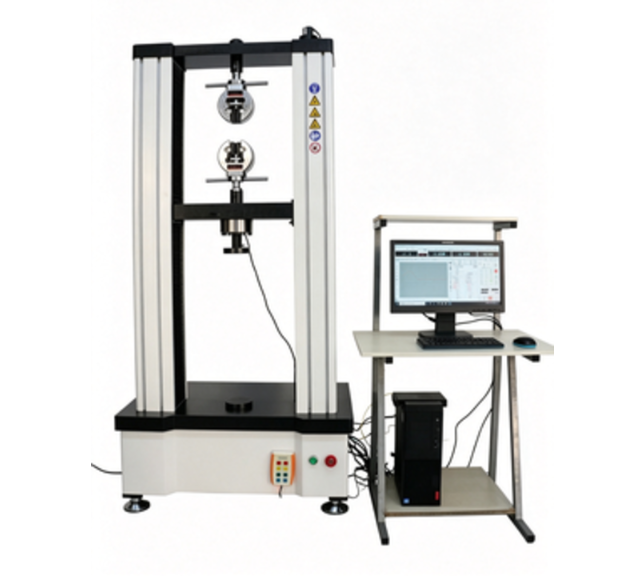
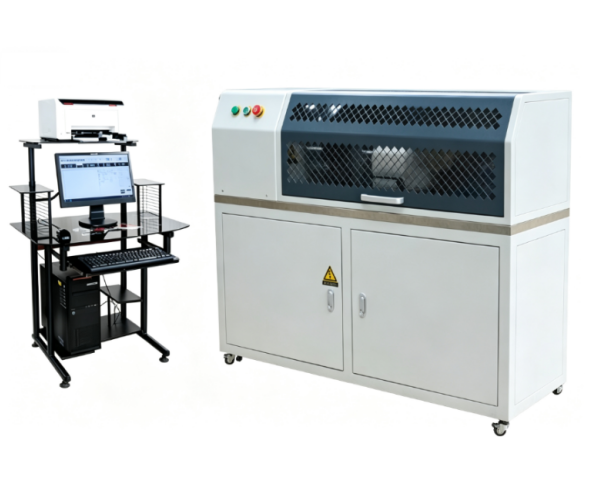
Flex Durability Tester
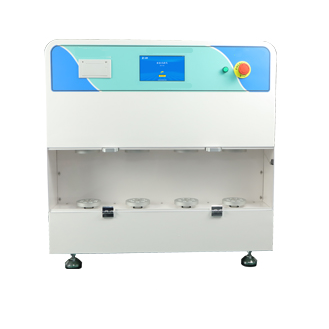


The Flex Durability Tester is suitable for testing the rub resistance of various flexible films, composite films, and coated films. It is also known as a rub tester or film rub tester. It can simulate the rubbing, folding, and pressure damage that films experience during production, processing, and transportation. After the rub test, the material's rub resistance is evaluated by detecting changes in the number of pinholes or the barrier properties before and after the test, providing quantitative data for packaging design and practical applications.
Applications
- Packaging Industry: The rubbing resistance tester is widely used in the packaging industry. It helps enterprises detect the anti - rubbing ability of packaging materials, ensuring that products will not be damaged by external rubbing during transportation and storage. For example, food packaging and pharmaceutical packaging have extremely high requirements for rubbing resistance. Only through strict testing can the integrity of the packaging be guaranteed, thus safeguarding the quality and safety of the products.
- Material R & D: In the field of material research and development, the rubbing resistance tester is an indispensable tool. Experimenters can use it to study the performance characteristics of different materials, optimize material formulations and processes, and develop more durable and reliable new materials.
- Optimized Design: The test results of the rubbing resistance tester can provide quantitative data for packaging designers, helping them understand the performance of materials under specific conditions, thereby optimizing packaging designs. For example, designers can adjust the thickness, structure, or coating of packaging materials according to the test results to improve the durability and reliability of the packaging.
- Quality Control: Manufacturers can use the rubbing resistance tester to ensure that the quality of packaging materials meets relevant standards and regulatory requirements, thereby enhancing the market competitiveness of products and reducing safety risks caused by packaging problems.
Standards
ASTM F392: Test Method for the Flexural Resistance of Flexible Barrier Layer Materials
YY/T 0681.12: Test Methods for Sterile Medical Device Packaging - Part 12: Soft Barrier Materials - Resistance to Stretch
GB/T 41347-2022: Test Method for the Stretch Resistance of Flexible Packaging Materials
Technical Parameters
| Technical Parameter | Specification |
|---|---|
| Rubbing Frequency | Usually adjustable, such as 45 times per minute, etc., used to simulate the rubbing frequencies that packaging materials may encounter in actual use. |
| Number of Rubbing Times | Usually, there are multiple modes available, such as Mode A (2700 times), Mode B (900 times), Mode C (270 times), etc., to meet different testing requirements. Some devices also support arbitrary settings of the number of rubbing times for more flexible testing. |
| Specimen Size | Determined according to testing standards or actual requirements, such as 120×30mm, etc. The selection of specimen size should ensure that it can fully reflect the rubbing resistance performance of the material. |
| Control System | An advanced control system enables automated operation, reducing human-induced errors. Meanwhile, the control system can also be used to set and control test conditions, such as the number of rubbing times and speed. |
| Monitoring System | It includes force sensors and other detection devices, used to monitor the state changes of specimens in real-time during the test. This is crucial for analyzing the durability of materials and identifying potential defects. |
| Safety Devices | To ensure the safety of operators, the rubbing resistance tester is usually equipped with various safety protection measures, such as emergency stop buttons and overload protection. |
Accessoriess
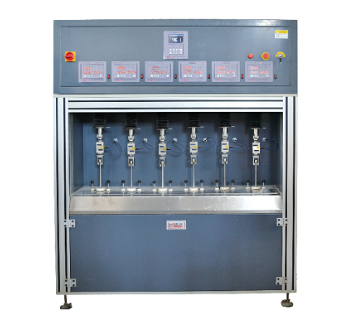
The standard configuration of the Flex Durability Tester includes the main unit, a 7-inch HMI touchscreen, a PLC control system, a precision ball screw, and a servo motor. Additionally, the following accessories are provided:
Sample clamp: Used to fix the sample and ensure it does not shift during testing.
Pinhole detection device: Used to detect changes in the number of pinholes in the sample before and after the rubbing test.
Barrier performance testing device: Optional, used to detect changes in the barrier properties of the sample before and after the rubbing test.
Operator manual: Provides detailed instructions on instrument operation, maintenance, and other related information for user convenience.
Features
7-inch touchscreen operation for convenient and quick setting of test parameters
Password login for four-level management access
Four sample stations easily enable combined tests under different conditions
Servo motor control ensures precise stroke positioning, further guaranteeing the accuracy of test results
Equipped with a mini printer for convenient data printing at any time
Brand-name drive motors offer strong environmental adaptability, stability, and durability
Precision-machined motion mechanisms ensure low-noise operation
Program limit protection and an emergency stop button provide both hardware and software protection for the instrument.
FAQ
1. What is the main purpose of the Flex Durability Tester?
The Flex Durability Tester is designed to measure the rub resistance of flexible films, composite films, and coated films. It simulates the rubbing, folding, and pressure damage that materials may experience during production, processing, and transportation. By evaluating changes in pinholes or barrier properties before and after the test, the instrument provides quantitative data that helps in packaging design, material R&D, and practical application decisions.
2. Which industries and applications benefit from using this tester?
This tester is widely used in the packaging industry, material research and development, quality control, and optimized design. In packaging, it ensures that food and pharmaceutical packaging can withstand rubbing during transportation and storage. In material R&D, it helps study performance characteristics, optimize material formulations, and develop more durable materials. For designers, test results provide quantitative data to improve packaging reliability and durability.
3. How does the tester simulate real-life rubbing conditions?
The Flex Durability Tester simulates real-life conditions by adjusting rubbing frequency and the number of rubbing times. Typical frequencies may include 45 times per minute, and multiple modes allow testing up to 2700 cycles. The specimen size is selected to reflect the material’s performance accurately, while force sensors monitor the state of the sample in real time. This ensures that the test results closely replicate the wear and stress experienced during actual handling and transportation.
4. What safety and operational features does the instrument include?
The tester is equipped with emergency stop buttons, overload protection, and program limit protection to ensure operator safety. A 7-inch touchscreen and PLC control system allow easy parameter setting and automated operation. Servo motors and precision ball screws provide accurate stroke positioning and low-noise operation. Optional accessories like pinhole detection and barrier testing devices enhance monitoring capabilities, allowing for comprehensive evaluation of material durability.
5. How is data collected and analyzed?
During testing, the monitoring system continuously records sample status, including wear and force changes. After the test, users can export data and analyze changes in pinholes and barrier properties. This quantitative information enables manufacturers and designers to evaluate whether the material meets standards such as GB/T 41347 or ASTM/ISO, and to optimize the material composition, thickness, or coating for improved durability.
Leave Message Get Price