Catheter Friction Tester
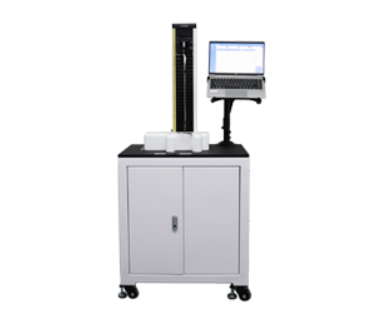


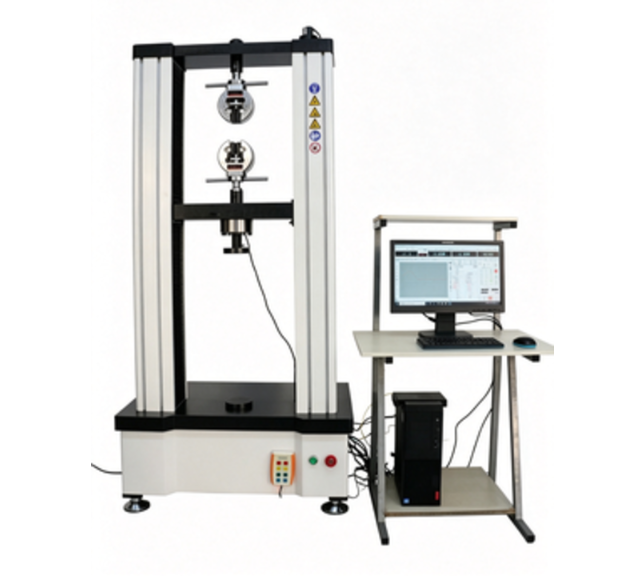
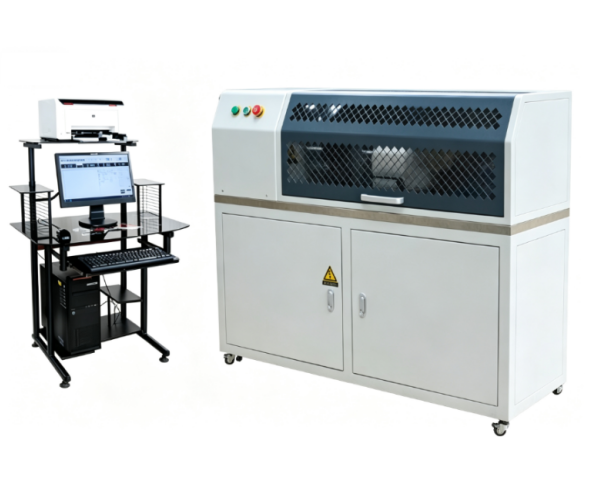
The Catheter Friction Tester is a precision instrument used to measure the surface friction properties of various tubular materials. Employing advanced force sensing technology and a precise motion control system, it accurately determines the static and dynamic friction coefficients of pipes under different conditions.
Applications
The catheter friction performance tester is a professional instrument used to detect the surface slipperiness of medical catheters, and it has a wide range of applications, mainly including the following aspects: Medical Device R & D: During the R & D of new - type catheter - based medical devices, the tester can be used to evaluate the friction performance of catheters made of different materials and with different design schemes, providing a basis for product quality control. Meanwhile, by selecting catheters with appropriate frictional force through testing, product design can be optimized and product performance can be improved. Clinical Assessment: In clinical practice, the tester can provide parameter data for doctors, helping them select suitable catheters, thus improving the safety and effectiveness of treatment. Academic Research: Academic institutions and research units can use the tester to conduct relevant basic research, and deeply explore the influence mechanism of friction performance on the effects of interventional treatment.
Standards
YY/T 1536-2017: Catheters other than intravascular catheters — Standard test model for evaluating the surface sliding performance
TCAMDI 021-2019: Medical devices — Surface lubricious coatings — Test method for wear resistance
Technical Parameters
| Technical Parameter | Specification |
|---|---|
| Testing Range | It can test medical catheters of different specifications and models, including urinary catheters, guidewires, balloon catheters, etc. |
| Friction Measurement Range | Generally, it has a wide measurement range to adapt to catheters made of different materials and with different surface - treatment methods. |
| Friction Measurement Accuracy | High - precision sensors and data acquisition systems ensure the accuracy and reliability of measurement results. |
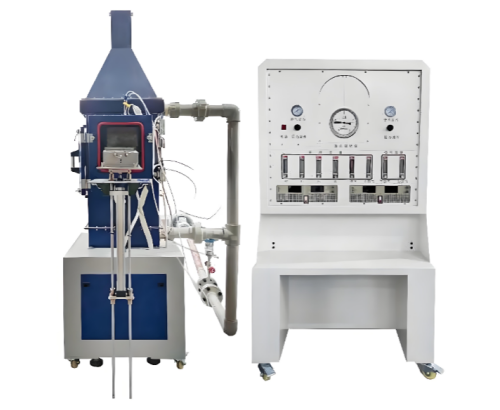
| Environmental Simulation Function | It can simulate different blood - flow conditions, temperatures, and humidities to evaluate the performance of catheters under physiological conditions. |
| Data Processing System | With a built - in data processing system, it can analyze the changes in frictional force and generate detailed test reports. |
Accessoriess
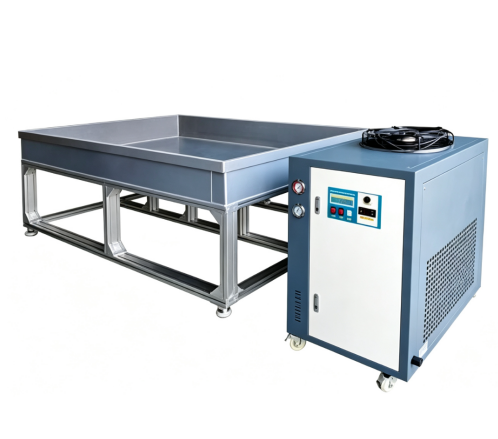
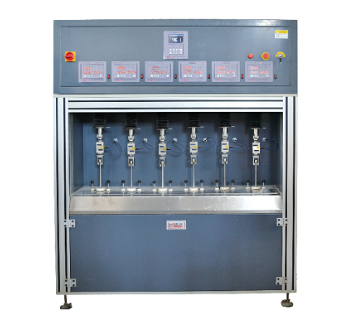
Standard Configuration: Main unit (embedded software), monitor, keyboard, mouse, guide wire clamps (including silicone rubber clamps), circulating water bath heating device, printer (inkjet).
Optional: Standard pressure roller, test plate, sampling knife, printer (laser), air compressor.
GMP Computer System Requirements, DataShield.
Note: The air supply interface of this machine is a Ф4mm polyurethane pipe; the air supply is provided by the user.
Features
1. High-precision measurement: Equipped with an imported force sensor.
2. Multifunctional testing: Supports multiple testing modes including dry friction and lubricated friction.
3. Intelligent control: Utilizes a PLC + touchscreen control system; test parameters are programmable.
4. Safe and reliable: Features multiple safety devices including overload protection and emergency stop.
5. Accurate data: Automatically collects and processes test data, generating professional test reports.
FAQ
1. What is the primary function of the Catheter Friction Tester?
The Catheter Friction Tester is designed to measure the surface friction properties of various medical catheters, including urinary catheters, guidewires, and balloon catheters. By determining both static and dynamic friction coefficients under different conditions, it helps evaluate the slipperiness and smoothness of catheter surfaces. This information is crucial for product design optimization, quality control, and ensuring safer and more effective clinical use.
2. How does this tester contribute to medical device R & D and quality control?
During the research and development of new catheter-based medical devices, this tester evaluates the friction performance of catheters made from different materials and design schemes. By identifying catheters with appropriate frictional force, designers can optimize catheter structures and improve overall product performance. The tester also provides reliable data for quality control, ensuring that each batch of catheters meets the required performance standards, which enhances safety, usability, and clinical effectiveness.
3. What testing conditions can the Catheter Friction Tester simulate?
The tester can simulate various physiological conditions, including different blood-flow rates, temperatures, and humidity levels. This allows researchers and medical professionals to evaluate the catheter’s friction performance under realistic clinical scenarios. By adjusting these parameters, the instrument helps determine how different materials or surface treatments affect catheter performance, providing a comprehensive understanding of product behavior in actual use.
4. What features ensure safety and accuracy during testing?
The Catheter Friction Tester is equipped with an imported high-precision force sensor, a PLC + touchscreen intelligent control system, and multiple safety devices such as overload protection and emergency stop. It can automatically collect and process test data, ensuring highly accurate and reliable measurements. These features allow users to perform tests safely while generating professional test reports for analysis and decision-making.
5. How is a typical friction test performed?
First, test parameters such as speed and friction cycles are set on the touchscreen. Next, the water in the circulating bath is added, and the temperature is controlled to simulate physiological conditions. Catheter clamps are installed and adjusted for spacing and clamping force, then the catheter is securely clamped. The instrument measures friction while the catheter passes through the clamps, and the data system calculates the average friction force of the wetted section. Finally, a detailed report is generated, typically in units of Newtons (N).
Leave Message Get Price