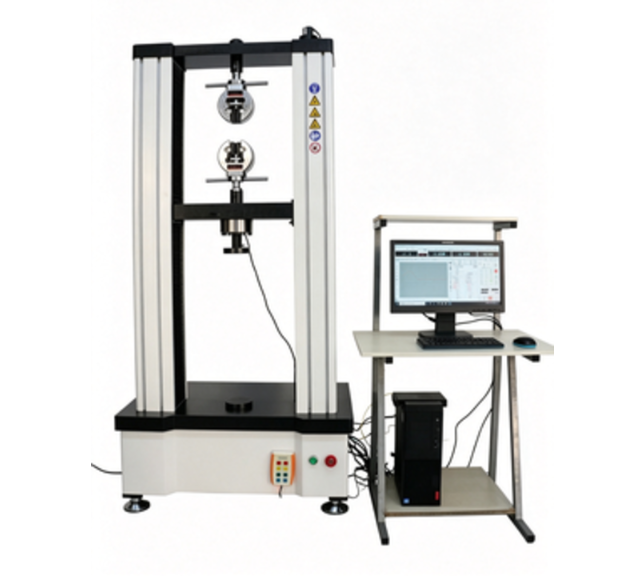
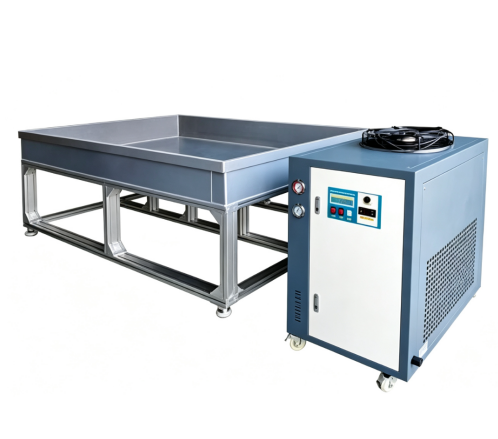
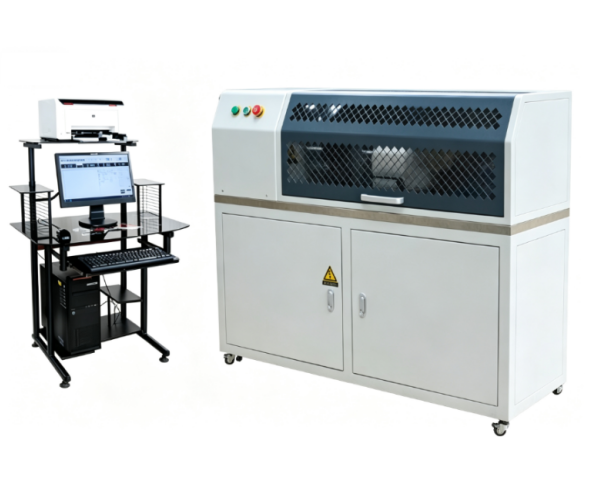
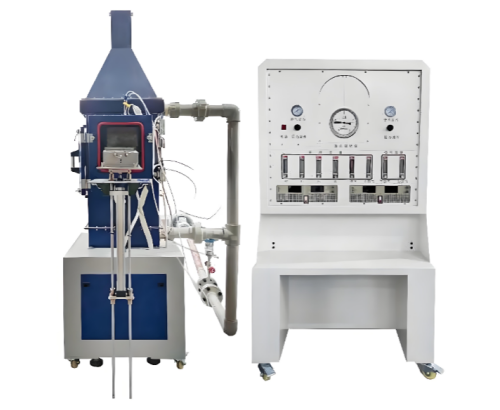
Catheter Vacuum Leak Tester
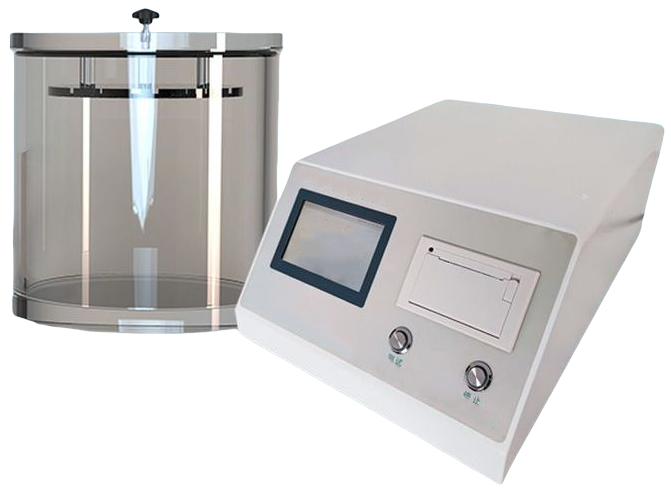


The Catheter Vacuum Leak Tester is a professional device used to detect leaks in medical catheter systems under vacuum conditions. Its primary purpose is to ensure the sealing integrity and safety of catheters during use, preventing medical accidents caused by leaks. This tester can be widely used for leak detection in various medical catheters, such as suction catheters, drainage catheters, anesthesia catheters, and endotracheal tubes.
Applications
The catheter vacuum leak tester is a professional device used to detect leaks in medical catheter systems under vacuum conditions. It is mainly used to ensure the sealing and safety of catheters during use and prevent medical accidents caused by leaks. This tester can be widely applied to the leak detection of various medical catheters, such as suction catheters, drainage catheters, anesthesia catheters, endotracheal tubes, etc.
Standards
GB 15812.1 - 2005 :Non - Vascular Intravascular Catheters - Part 1: General Performance Test Methods
GB 8368 :Disposable Infusion Sets
YY 0489 - 2004 :Test Method for Piston Tightness of Disposable Sterile Syringes
Technical Parameters
| Parameter | Specification |
|---|---|
| Measuring Range | Usually 0 to -90kPa, which can meet the negative-pressure testing requirements of various catheters |
| Accuracy | Generally reaching level 0.1 to ensure the accuracy of test results |
| Vacuum Maintenance Performance | Equipped with an automatic pressure-holding function to ensure the stability of the vacuum during the test |
| Test Time | Setting range: 1 to 9999 seconds; error ≤ ±1 second |
| Power Supply | Usually 220VAC 50Hz or 120VAC 60Hz, adapting to voltage requirements of different regions |
| Net Weight | Approximately 20kg (varies by model) |
Accessoriess
Standard accessories include: specialized connection adapters for different sizes of medical catheters (compatible with various catheter interfaces such as suction tubes and drainage tubes), vacuum-sealed connecting tubing (for connecting the main unit to the vacuum tank), sample fixing clamps (to secure the catheter under test), standard leak calibration components (to ensure the accuracy of the equipment's measurements), operating instructions, and a calibration certificate.
Features
1. High-precision measurement: It can quickly and accurately detect the location and size of leaks in the pipeline system, enabling precise measurement of minute pressure changes and flow differences.
2. Safe and reliable: It prevents safety accidents and quality problems caused by leaks, ensuring the safety and stability of the production process.
3. Easy to operate: The operation interface is simple and clear, allowing users to complete the testing process by following the prompts. Some testers also feature user-level access control and a comprehensive password protection scheme to ensure data integrity, standardization, and traceability.
4. Multifunctional: Some advanced testers offer features such as real-time data display, data recording and analysis, test report generation, and multiple testing modes, meeting the needs of different users.
FAQ
1. What is the main purpose of the Catheter Vacuum Leak Tester?
The Catheter Vacuum Leak Tester is designed to detect leaks in medical catheter systems under vacuum conditions. Its primary purpose is to verify the sealing integrity and safety of catheters during use. By applying negative pressure and monitoring pressure changes, the tester helps identify leakage points that could compromise catheter performance. This is critical for preventing medical accidents caused by leakage, especially in clinical applications where stable vacuum conditions are required, such as suction, drainage, anesthesia delivery, and airway management.
2. What types of medical catheters can be tested with this device?
The tester can be widely used for leak detection in various medical catheters, including suction catheters, drainage catheters, anesthesia catheters, and endotracheal tubes. It is suitable for both open-system and closed-system catheter configurations. By using dedicated connection adapters and fixing clamps, the instrument can accommodate different catheter sizes and interface types, allowing reliable vacuum leak testing across a broad range of catheter products used in medical device manufacturing and quality control.
3. Which standards does the Catheter Vacuum Leak Tester comply with?
The tester is designed in reference to several relevant standards, including GB 15812.1-2005 for general performance test methods of non-vascular intravascular catheters, GB 8368 for disposable infusion sets, and YY 0489-2004 for piston tightness testing of disposable sterile syringes. These standards provide methodological guidance for pressure-related and sealing performance tests, supporting standardized and traceable leak detection of catheter systems under vacuum conditions.
4. How does the tester ensure accurate and stable vacuum leak measurements?
The Catheter Vacuum Leak Tester features a measuring range typically from 0 to –90 kPa, which covers the negative-pressure requirements of most medical catheters. It offers high measurement accuracy, generally reaching level 0.1. to ensure reliable detection of small pressure variations. The instrument is equipped with an automatic pressure-holding function that maintains stable vacuum conditions throughout the test duration. Test time can be set from 1 to 9999 seconds, allowing sufficient observation of pressure decay and improving the reliability of leak evaluation results.
Leave Message Get Price