Surgical Blade Sharpness Tester
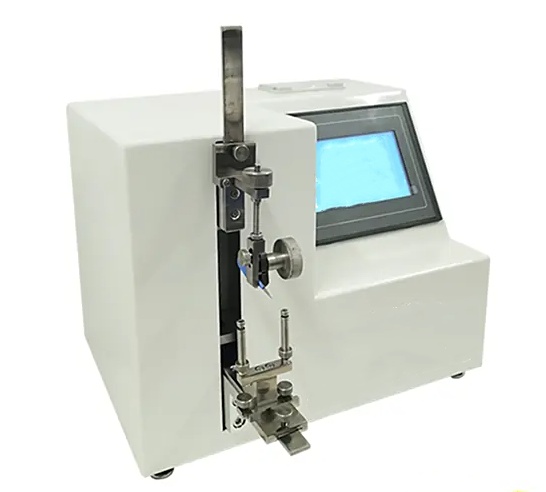


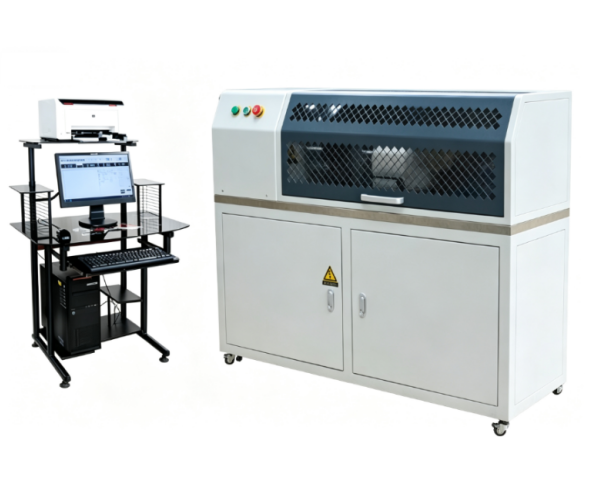
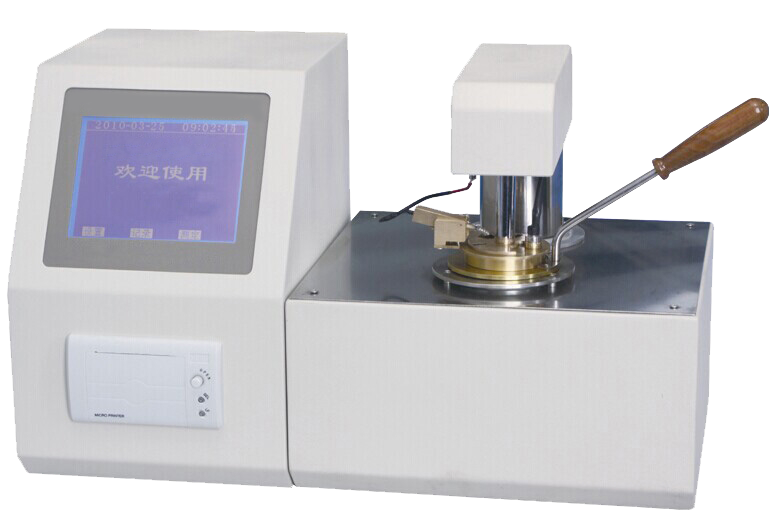
The Surgical Blade Sharpness Tester is a multi-functional testing device featuring a 7-inch LCD touchscreen display, suitable for testing the sharpness of various blades, including surgical blades and utility knife blades. This instrument boasts high-precision cutting and measurement capabilities, supports fully automatic cutting and printing of test results, and offers a flexible operating interface and specialized fixtures to ensure accurate and reliable test data.
Applications
Quality Control in Medical Device Manufacturing: In medical device manufacturing enterprises, the Sharpness Tester for Surgical Blades is used to conduct quality inspections on surgical blades. By simulating the cutting process in surgery and measuring the force required for the blade to cut through standard suture lines or other test materials, it assesses whether the sharpness of the blade meets relevant standard requirements. Only products with qualified sharpness can enter the market, thus ensuring the quality and safety of surgical instruments and providing a guarantee for the smooth progress of surgeries.
- Inspection and Selection by Medical Institutions: Medical institutions such as hospitals also use the sharpness tester for surgical blades to regularly inspect the sharpness of surgical blades. This helps doctors understand the performance of the blades before surgery, select the most suitable surgical instruments, improve surgical efficiency, reduce tissue damage and patient pain during surgery, and at the same time, lower the risks of postoperative infections and complications.
- Quality Inspection in Tool Manufacturing: In tool manufacturing enterprises, the sharpness tester for surgical blades can be used to test the sharpness of blades of different types and uses, ensuring that each batch of blades has stable sharpness performance to meet users' needs.
- Product R & D and Improvement: The sharpness tester for surgical blades is also used in the R & D process of cutting tools. Manufacturers can test blades made of different materials, with different processes and designs, collect relevant data, analyze the relationship between sharpness and materials, processes, etc., so as to optimize product design, improve the sharpness and durability of blades, and launch more competitive products.
- Teaching Practice and Training: In the teaching practice of relevant majors, the sharpness tester for surgical blades is an important teaching tool. It can help students intuitively understand the concept and testing methods of blade sharpness, and cultivate students' practical operation ability and scientific thinking.
Standards
YY 0174 - 2019: Surgical Blades
Technical Parameters
| Parameter | Specification |
|---|---|
| Testing Range | Force value testing range: 0.1N - 10.0N; error does not exceed ±0.01N |
| Blade Types | Capable of testing various surgical blade specifications, including straight knives, circular knives, and angled ophthalmic knives |
| Testing Rate | Testing speed usually ≤ 10mm/s; error range within ±1mm/min; testing speed can be set via software |
| Other Functions | 1. Equipped with high-precision sensors & measurement system (accurately measures force/displacement in cutting process); 2. Adopts PLC/ARM technology for intelligent operation; 3. Equipped with programmable controller & touch-screen interface (convenient for parameter setting/operation); 4. Displays applied pressure & test data in real time (facilitates observation/analysis); 5. Built-in Chinese-English bilingual input function (suitable for domestic & foreign users) |
Accessoriess
1. One main unit
2. One roll of printing paper
3. One set of clamps
4. One 100g weight
5. One year (warranty)
6. Operating instructions
7. Free lifetime instrument upgrade service according to standard specifications
Features
1. High-Precision Measurement System
Utilizing imported top-brand sensors, the FLY-05DS offers a force measurement range of 0-50N (other ranges customizable), with a force resolution of up to 0.001N and a measurement accuracy of ±1%. This precision far exceeds industry standards, ensuring the reliability and consistency of test results.
2. Intelligent Operation Experience
Equipped with a large-size LCD touchscreen and HMI human-machine interface, the test process curve is clearly displayed. The PLC programmable controller combined with a high-speed processing chip significantly improves system operating efficiency, making operation simple and efficient.
3. Flexible Fixture Design
Equipped with professional and user-friendly fixtures that can be quickly replaced to adapt to different blade shapes, meeting diverse testing needs. The stability and adjustability of the fixtures effectively prevent deviations during the testing process.
4. Data Security and Traceability
The instrument features a unique four-level user permission management function, supporting custom permission settings to strictly limit operator access and ensure data integrity. Test data is encrypted and stored, and a comprehensive password protection mechanism is provided to effectively prevent illegal operations, meeting the strict compliance requirements of the medical industry.
5. Efficient Test Speed Control
Equipped with imported precision ball screws, it supports stepless speed adjustment from 1-600mm/min, ensuring sufficient test speed and displacement accuracy to meet the speed requirements of different testing standards.
6. Convenient Result Output
A built-in micro printer can output complete test information, including equipment serial number, sample batch number, experimenter, test results, and time, for easy recording and archiving. The RS232 data interface supports connection to LIMS systems for seamless data integration.
Test Procedures
— Secure the sample (blade) in the fixture;
— Fix one end of the suture to a winding clamp, and attach a 100 g weight to the other end of the suture, ensuring the suture is horizontal, and fix it to another winding clamp;
The sample is moved vertically downwards at a speed of no more than 10 mm/s to cut the middle part of the suture;
When the suture is cut, the instrument's indicator shows the force exerted by the blade to cut the suture.
Each blade should be tested at three points: the front, middle, and back of the cutting edge, and the arithmetic mean should be taken.
FAQ
1. What is the main purpose of the Surgical Blade Sharpness Tester?
The Surgical Blade Sharpness Tester is designed to evaluate the sharpness performance of various blades, including surgical blades and utility knife blades. By simulating the actual cutting process and measuring the force required for a blade to cut through standard test materials such as suture lines, the instrument determines whether blade sharpness meets relevant standard requirements. It provides accurate and reliable data to support quality control, product selection, research and development, and teaching applications involving cutting tools.
2. How is the Surgical Blade Sharpness Tester used in medical device manufacturing quality control?
In medical device manufacturing, the Surgical Blade Sharpness Tester is used to conduct quality inspections on surgical blades before they enter the market. The device simulates surgical cutting conditions and measures the cutting force required to sever standardized suture materials. By comparing test results with standard requirements, manufacturers can determine whether blade sharpness is qualified. Only blades that pass sharpness testing are released, helping ensure the safety, consistency, and reliability of surgical instruments and supporting smooth surgical procedures.
3. What types of blades can be tested with this instrument?
The tester is capable of evaluating a wide range of blade types and specifications. According to the technical parameters, it can test straight blades, circular blades, and angled ophthalmic blades, covering common surgical blade designs. In addition to surgical blades, the instrument is also suitable for testing utility knife blades, making it applicable not only in medical device manufacturing but also in general tool manufacturing and product development environments.
4. What features ensure high accuracy and reliability of test results?
The Surgical Blade Sharpness Tester is equipped with imported high-precision sensors and a stable measurement system. Depending on configuration, force resolution can reach up to 0.001N, with measurement accuracy typically within ±1%. Precision ball screws support stepless speed adjustment to ensure controlled cutting movement. Professional fixtures securely hold blades and test materials, reducing deviation during testing. Real-time display of force and test curves on the LCD touchscreen further supports accurate observation and analysis.
5. How to choose a suitable Surgical Blade Sharpness Tester?
When selecting a Surgical Blade Sharpness Tester, users should consider blade types, test methods, measurement accuracy, fixture compatibility, data recording functions, and medical device quality requirements.
Leave Message Get Price