Blood Bag Emptying under Pressure Tester
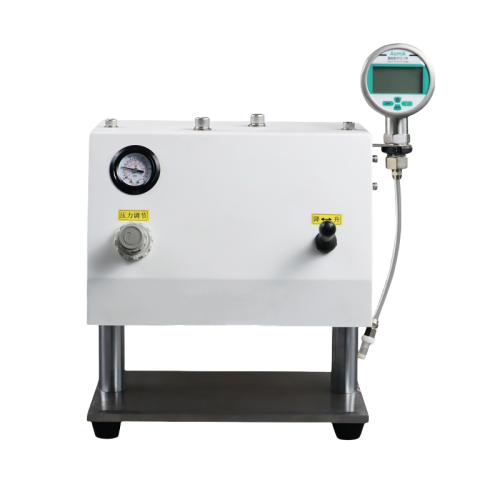


The Blood Bag Emptying Under Pressure Tester is suitable for testing the pressurized emptying of single-use plastic blood bags and blood collection bags. It is also known as a blood bag anti-leakage performance tester or blood bag leakage tester.
Applications
The blood bag pressurization and emptying tester is mainly used to simulate the pressurization and emptying scenarios during blood transfusion to evaluate the pressure - resistance, sealing performance, and emptying ability of blood bags. By filling the blood bag with gas or liquid at a certain pressure and observing its emptying status and any leakage within the specified time, it ensures that the blood bag can meet the requirements for blood transfusion in clinical use. This tester is widely applied in places such as blood bag manufacturing enterprises and hospital blood transfusion departments, with specific uses including: - During the production of blood bags, manufacturers use this tester to conduct pressurization and emptying performance tests on sampled batches of blood bags to ensure that products comply with relevant standards and regulations. - In hospital blood transfusion departments, the tester can be used for acceptance inspection of purchased blood bags and regular sampling inspection of in - stock blood bags, ensuring the reliable quality of blood bags used in hospitals and improving the efficiency of blood transfusion.
Standards
GB 14232.1 - 2020 Plastic Containers for Human Blood and Blood Components Part 1: Conventional - type Blood Bags, etc.
Features
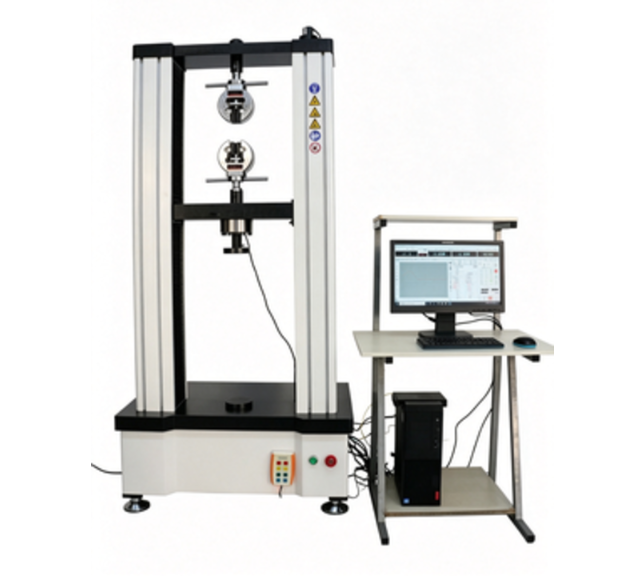
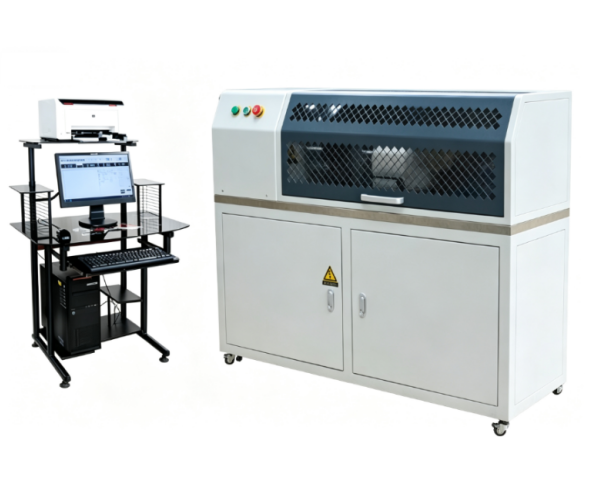
The Blood Bag Emptying Under Pressure Tester is a specialized testing device specifically designed to evaluate the emptying performance and sealing reliability of disposable plastic blood bags under pressurized conditions. Its core function is to simulate the pressure changes during actual blood transfusion, testing whether the blood bag can be completely emptied without leakage under high internal pressure. This ensures that the blood bag quality meets national standards (such as GB14232.1-2020), providing crucial safety assurance for clinical blood transfusions.
Technical Parameters
| Serial No. | Parameter Item | Parameter Details |
|---|---|---|
| 1 | Pressure Range | Usually 0 - 3000N (customizable according to actual needs); covers pressure levels required for most blood bag pressurization and emptying tests |
| 2 | Pressure Intensity Range | 0 - 600kPa (customizable according to actual needs); simulates various pressure situations blood bags may experience during blood transfusion |
| 3 | Test Height | 10mm - 120mm (customizable according to actual needs); adjusts the distance between upper and lower plates to adapt to different specifications of blood bags |
| 4 | Test Dimensions | Usually accommodates blood bags of approximately 300mm×400mm (varies by tester model); covers specifications of most medical blood bags |
| 5 | External Dimensions | Varies by model (e.g., 550mm×460mm×600mm); compact for easy placement and operation |
| 6 | Power Supply | Usually AC220V, 50Hz (customizable according to local electrical standards); ensures normal operation and stable testing environment |
Accessoriess
Standard configuration: main unit, pressure gauge, digital flow meter
FAQ
1. What is the Blood Bag Emptying under Pressure Tester used for?
The Blood Bag Emptying under Pressure Tester is used to evaluate the pressurized emptying performance of single-use plastic blood bags and blood collection bags. It simulates the pressurization conditions that occur during actual blood transfusion by applying gas or liquid pressure to the blood bag and observing whether it can be emptied completely within a specified time. During the test, the instrument also checks for leakage and sealing integrity, ensuring that the blood bag meets safety and performance requirements for clinical blood transfusion use.
2. Which application scenarios is this tester mainly designed for?
This tester is mainly designed for simulating blood transfusion scenarios in which blood bags are subjected to internal pressure during emptying. It is widely used by blood bag manufacturing enterprises to perform pressurization and emptying tests on sampled batches during production, ensuring compliance with relevant standards. In hospital blood transfusion departments, it is used for acceptance inspection of newly purchased blood bags and routine sampling inspection of stored blood bags, helping ensure reliable quality and improving transfusion efficiency.
3. What performance characteristics of blood bags can be evaluated using this tester?
The tester evaluates several key performance characteristics of blood bags under pressurized conditions, including pressure resistance, sealing performance, and emptying ability. By observing the blood bag’s emptying status and checking for leakage within a specified time under controlled pressure, the tester verifies whether the blood bag can withstand internal pressure without failure. These characteristics are critical for ensuring that blood bags function safely and reliably during clinical blood transfusion.
4. Which standards does the Blood Bag Emptying under Pressure Tester comply with?
The tester is designed in accordance with GB 14232.1-2020. Plastic Containers for Human Blood and Blood Components – Part 1: Conventional-type Blood Bags. This standard defines the performance requirements and testing methods for blood bags used in clinical applications. Compliance with this standard ensures that the tester provides reliable evaluation of blood bag pressurization, sealing, and emptying performance under conditions that reflect actual clinical use.
5. What are the main technical parameters of this tester?
The tester typically features a pressure range of 0–3000 N and a pressure intensity range of 0–600 kPa, both of which can be customized according to testing needs. It supports adjustable test heights from 10 mm to 120 mm to accommodate different blood bag specifications and usually fits blood bags of approximately 300 mm × 400 mm. The system is powered by AC 220 V, 50 Hz, and standard accessories include a main unit, pressure gauge, and digital flow meter.
Leave Message Get Price