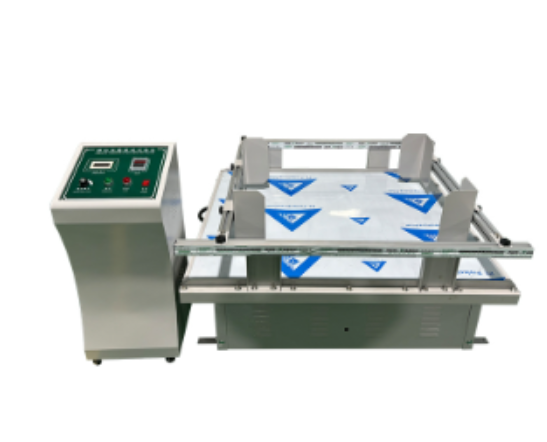
Catheter Bending Resistance Tester
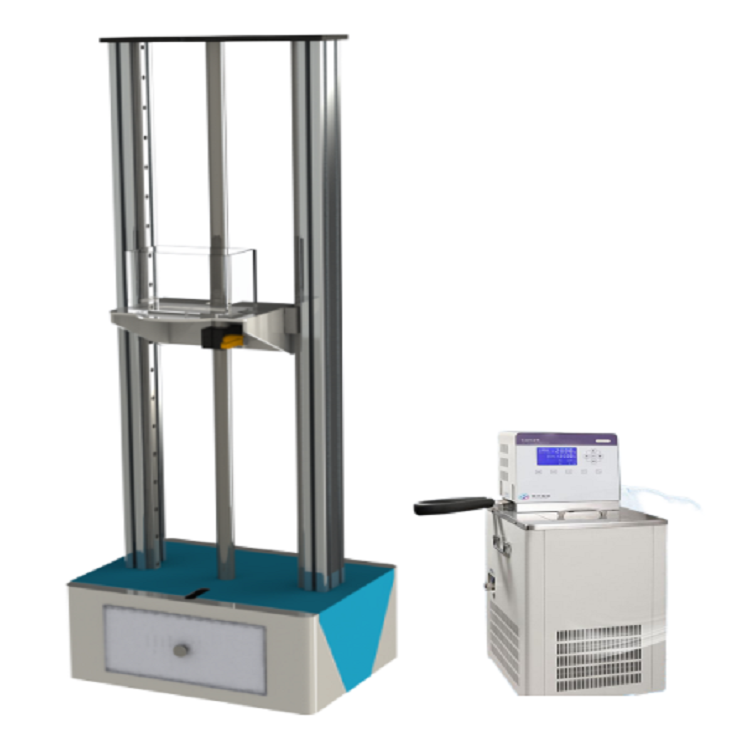


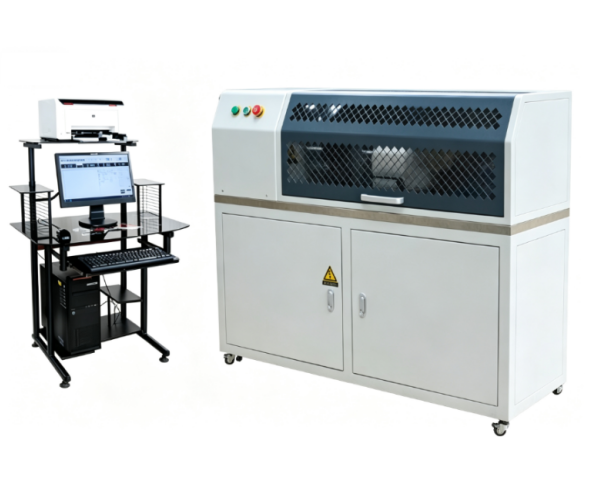
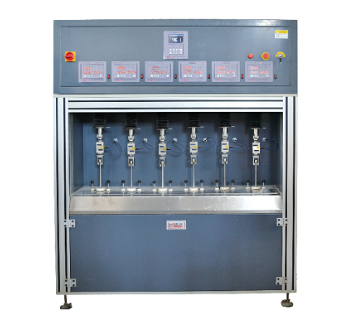
The Catheter Bending Resistance Tester is a specialized instrument designed to evaluate the bending performance and flow characteristics of catheters. It measures the reduction in flow rate under simulated bending conditions, providing critical data to ensure catheter reliability and safety in clinical applications. The system features real-time force monitoring, automatic result evaluation, and integrated printing for efficient test documentation.
Application
The tester is suitable for a wide range of medical devices, including:
(1) Urinary catheters – testing flow performance under bending to simulate patient conditions.
(2) Drainage catheters – assessing irrigation and drainage cavities.
(3) Infusion catheters – verifying consistent fluid delivery despite bends or kinks.
(4) Preclinical research – evaluating new catheter designs for flexibility and functionality.
(5) Quality control in medical device manufacturing – ensuring compliance with product specifications.
Standards
The instrument is designed to comply with the following standards:
(1) YY/T 0325-2016: Urinary Catheters – Flow and Bending Performance (China)
(2) GB/T 15812.1-2005: Disposable Catheters – General Requirements (China)
Optional references for broader compliance:
(3) ISO 10555-3: Sterile single-use intravascular catheters – Part 3: Single-use catheters for hemodialysis
(4) ASTM F2392: Standard Test Method for Catheter Performance
Parameters
| Parameter | Specification |
|---|---|
| Static level height | 1000 ± 5 mm, automatic water pump circulation (adjustable) |
| Time controller | 0 – 60 min, error ±1 s |
| Test fixture | Suitable for various catheters |
| Flow calculation method | Measuring cylinder method |
| Flow rate | > 500 mL/min |
| Overall size (L × W × H) | 400 × 290 × 240 mm |
| Control system | Programmable PLC with touch screen |
| Printing | Onboard printer for real-time test results |
Accessories
(1) Main test unit – 1 set
(2) Fixtures for various catheter types – 1 set
(3) Onboard printer paper – 1 roll
(4) Operation manual – 1 set
(5) USB storage device (optional)
Features
(1) Programmable controller with touch screen interface for easy parameter setup.
(2) Real-time monitoring of force and flow data.
(3) Automatic result evaluation with buzzer alarm for unqualified tests.
(4) Integrated printer for immediate documentation of test results.
(5) Adjustable fixtures to accommodate various catheter sizes and types.
(6) Automatic circulation of water pump to simulate physiological conditions.
(7) Dual language interface (Chinese/English) for global usability.
Test Procedures
(1) Install the catheter into the test fixture, ensuring proper alignment.
(2) Adjust the static water level using the automatic circulation pump.
(3) Set test parameters via the touch screen: nominal capacity, flow measurement, test duration, calibration, and verification.
(4) Start the test; the system applies bending force to the catheter loop while measuring flow reduction.
(5) Monitor real-time force and flow data on the screen.
(6) The system automatically evaluates results, sounds an alarm if the catheter fails, and prints a report for record-keeping.
Maintenance Information
(1) Regularly clean the water circulation system and fixtures to prevent debris buildup.
(2) Calibrate the flow measurement system periodically to ensure accuracy.
(3) Avoid prolonged exposure to direct sunlight or excessive moisture.
(4) Inspect electrical connections and sensors for wear or damage.
(5) Follow standard electrical safety procedures during operation.
FAQ
1. What is the Catheter Bending Resistance Tester used for?
The Catheter Bending Resistance Tester is used to evaluate the bending performance and flow characteristics of catheters by measuring flow rate reduction under simulated bending conditions.
2. Which types of catheters can be tested with this instrument?
The tester is suitable for urinary catheters, drainage catheters, infusion catheters, and other catheter types used in research and manufacturing quality control.
3. What parameters are monitored during the bending resistance test?
During testing, the system monitors real-time force and flow data to assess how catheter bending affects flow performance.
4. Which standards does the Catheter Bending Resistance Tester comply with?
The instrument is designed to comply with YY/T 0325-2016 and GB/T 15812.1-2005. with optional reference to ISO 10555-3 and ASTM F2392.
5. How are test results evaluated and documented?
Test results are automatically evaluated by the system. If the catheter does not meet requirements, an alarm is triggered, and test reports can be printed immediately using the integrated printer.
6. What features support efficient and reliable testing?
Key features include a programmable PLC control system with touch screen, adjustable fixtures, automatic water circulation to simulate physiological conditions, and a dual-language interface.
Leave Message Get Price