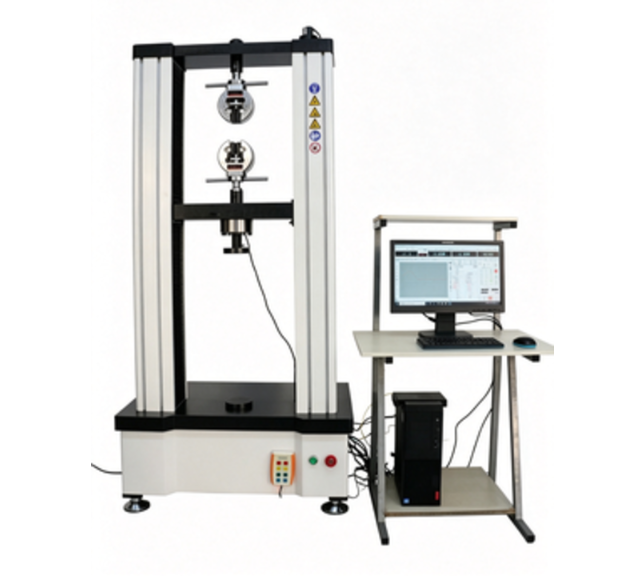
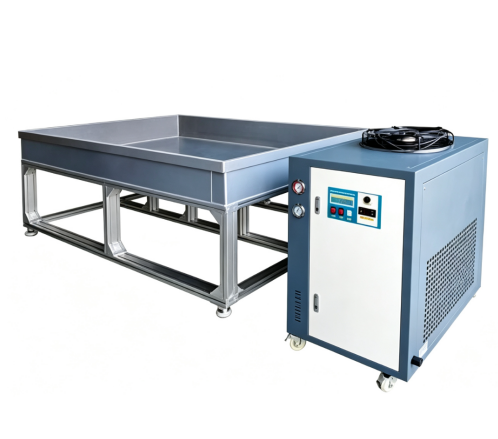
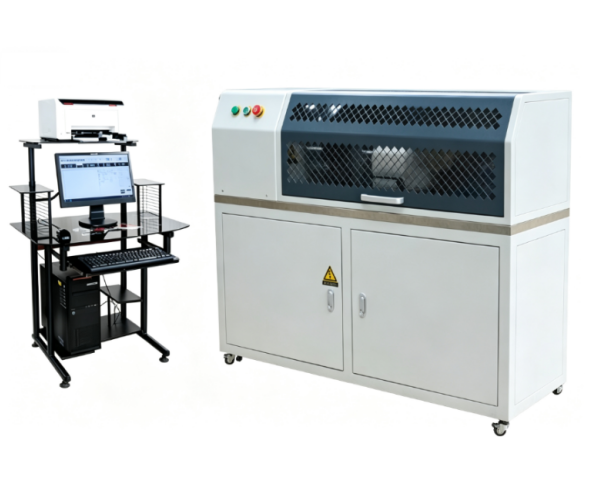
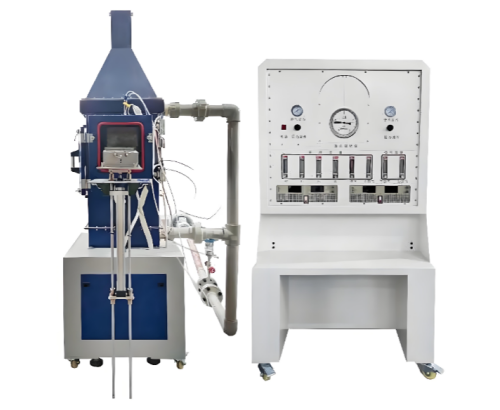
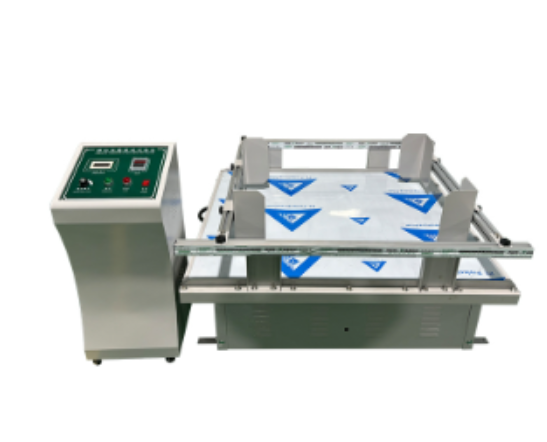
High-Low Temperature Gravel Impact Tester
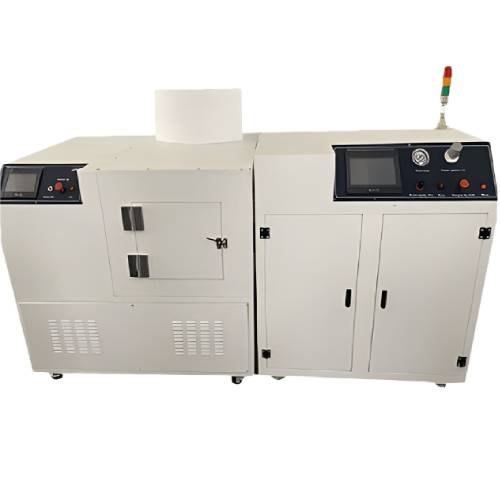


High-Low Temperature Multifunctional Aggregate Impact Tester is a professional testing instrument designed to accurately reproduce damage caused by flying gravel under controlled high- and low-temperature environments. This tester is mainly used to evaluate the stone-chip impact resistance of coatings, coating systems, plastics, glass, and other exterior materials. By precisely controlling impact angle, pressure, temperature, and test media, it allows comprehensive assessment of coating adhesion, interlayer bonding performance, brittleness, spall resistance, and impact durability under simulated real-world conditions.
Application
External coating cohesion failure testing
Interlayer adhesion failure testing of multilayer coating systems
Brittleness thickness evaluation of hard glass materials
Optimization of coating thickness for anti-spall performance
Impact, spall resistance, and wear resistance testing of plastics and glass
Stone-chip resistance testing for automotive exterior and interior components
Tested products may include automotive body coatings, plastic trim parts, glass panels, protective coatings, and other exterior decorative or functional materials.
Standards
(1) SAE J400 – Gravelometer testing for resistance of automotive coatings and materials
(2) VDA 621427 – Stone-chip resistance test for surface coatings
(3) ISO 20567-1 – Paints and varnishes – Determination of stone-chip resistance – Part 1: Multi-impact testing
(4) ASTM D3170 – Standard test method for chipping resistance of coatings
(5) GMW 14668-3.4.9 – Stone impact testing for automotive interior and exterior parts
(6) Peugeot / Citroën D241312 – Evaluation of vehicle coating resistance to stone impact
(7) Chrysler 463PB-52-01 – Stone impact resistance evaluation for materials and coatings
(8) Chrysler 463PB-39-01 – Stone impact testing for automotive components
(9) Mazda MES MN 601C – Stone impact resistance testing of materials and coatings
(10) Ford BI 157-04 – Evaluation of automotive coating resistance to stone impact
(11) Ford BI 157-05 – Evaluation of automotive coating resistance to stone impact
(12) Toyota / Nissan – Stone-chip impact test requirements for automotive interior and exterior parts
Parameters
| Item | Specification |
|---|---|
| Test environment | Temperature 5–35 °C, relative humidity ≤85% RH |
| Working pressure range | 0–5.0 kgf/cm² (adjustable), max up to 8.0 kgf/cm² |
| Compressed air pipe diameter | ≥19 mm |
| Air tank volume | 180 L (maintains 400 kPa for ≥10 s) |
| Feeding method | Automatic feeding, adjustable speed |
| VDA spray gun diameter | 30.0 ± 0.5 mm |
| SAE spray gun diameter | 52.6 ± 0.5 mm |
| Working time | 0–999 s adjustable |
| Vibration time | 0–999 s adjustable |
| Cycle count | 0–99 cycles |
| Impact angle adjustment | 3D adjustable test table, 0–180°, with digital angle display |
| Impact window size | 300 × 300 mm (adjustable support, sample thickness ≤30 mm) |
| Chamber dimensions | Approx. 1800 × 1000 × 1200 mm |
| Chamber structure | ≥6 mm steel plate with coating; 10 mm steel impact window |
| Impact media | 4–5 mm angular steel grit (61–65 HRC), 8–16 mm terrazzo, or JIS A5001 stones |
| Test pressure | 100 ± 5 kPa, 200 ± 10 kPa |
| Test cycles | 1–5 cycles |
| Spray duration | 8–12 s / 500 g or 30–35 s / 2000 g |
| Spray angle | 54° ± 1° (optional 90° ± 1°) |
| Spray distance | 10–500 mm adjustable |
| Sample size | 80 × 80 mm or 200 × 100 mm |
| Low temperature range | −20 °C to −70 °C (settable) |
| High temperature range | Ambient to 150 °C (settable) |
| Pressure range | 0–1 MPa adjustable |
| Independent temperature chamber | −40 °C to 100 °C |
| Noise level | ≤120 dBA (hearing protection required) |
| Operation mode | Continuous operation |
| Test media | Gravel, sand, steel shot, iron shot |
| Feeding rate | Adjustable via electromagnetic vibration feeder |
| Airflow control | Built-in air storage ensures stable pressure and flow |
Features
High- and low-temperature integrated testing for realistic environmental simulation
Multifunctional design supporting coatings, plastics, and glass materials
Precise control of impact angle, pressure, temperature, and spray parameters
3D adjustable impact platform for complex and irregular samples
Stable compressed air system ensuring repeatable test conditions
Robust steel chamber structure with excellent vibration and wear resistance
Maintenance Information
After testing, remove the sample once the equipment stops automatically.
Record test parameters such as impact cycles, temperature, and pressure for result evaluation.
Clean the test chamber and spray gun tube to remove residual aggregate.
Regularly inspect key components to ensure stable performance for subsequent tests.
FAQ
1. What is the main purpose of the High-Low Temperature Multifunctional Aggregate Impact Tester?
The High-Low Temperature Multifunctional Aggregate Impact Tester is designed to accurately reproduce damage caused by flying gravel under controlled high- and low-temperature conditions. It is mainly used to evaluate stone-chip impact resistance of coatings, coating systems, plastics, glass, and other exterior materials. By precisely controlling impact angle, pressure, temperature, and test media, the tester allows comprehensive assessment of coating adhesion, interlayer bonding performance, brittleness, spall resistance, and long-term impact durability. This makes it suitable for simulating real-world service conditions, especially for automotive exterior and interior components.
2. What types of materials and products can be tested with this instrument?
This tester is widely used for testing automotive body coatings, plastic trim parts, glass panels, protective coatings, and other exterior decorative or functional materials. It supports evaluation of external coating cohesion failure, interlayer adhesion failure in multilayer coating systems, brittleness thickness of hard glass, and optimization of coating thickness for anti-spall performance. In addition, it is suitable for impact, spall resistance, and wear resistance testing of plastics and glass, making it a multifunctional solution for automotive and coating industry applications.
3. Which international and industry standards does the tester support?
The tester supports multiple international and automotive industry standards, including SAE J400. VDA 621427. ISO 20567-1. ASTM D3170. GMW 14668-3.4.9. and various OEM standards such as Ford, Mazda, Toyota, and Nissan stone-chip impact requirements. These standards ensure consistent and comparable evaluation of stone-chip resistance for coatings and materials.
4. How are impact conditions controlled during testing?
Impact conditions are precisely controlled through adjustable working pressure, spray duration, spray angle, spray distance, and feeding rate. The system uses a stable compressed air supply with an air tank to ensure consistent airflow and pressure. A 3D adjustable test table allows impact angle adjustment from 0° to 180°, while automatic feeding ensures repeatable aggregate delivery during each test cycle.
5. What test media and temperature ranges are supported?
The tester supports multiple impact media, including gravel, sand, steel shot, iron shot, angular steel grit (4–5 mm), terrazzo (8–16 mm), and JIS A5001 stones. It offers a low-temperature range from −20 °C to −70 °C and a high-temperature range from ambient to 150 °C, with an independent temperature chamber covering −40 °C to 100 °C. This enables realistic simulation of extreme service environments.
6. How can I select the suitable
gravel impact tester for my application?
Selection should consider tested materials, temperature range,
impact media, applicable standards, and sample dimensions. For customized
solutions and application cases, please contact our engineers for professional
guidance.
Leave Message Get Price