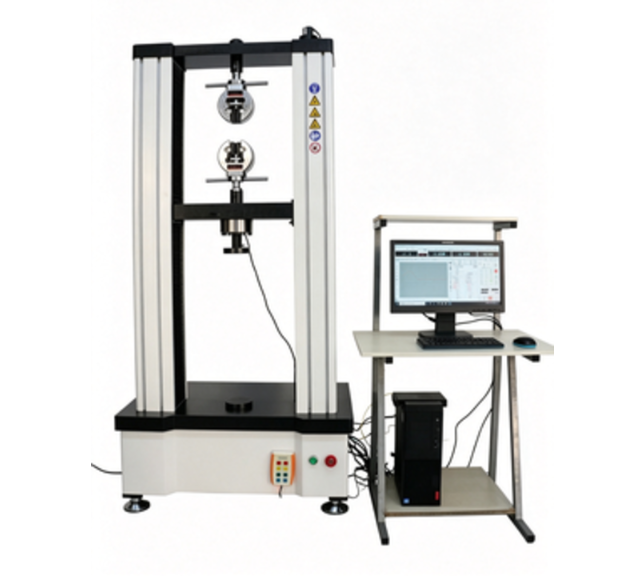
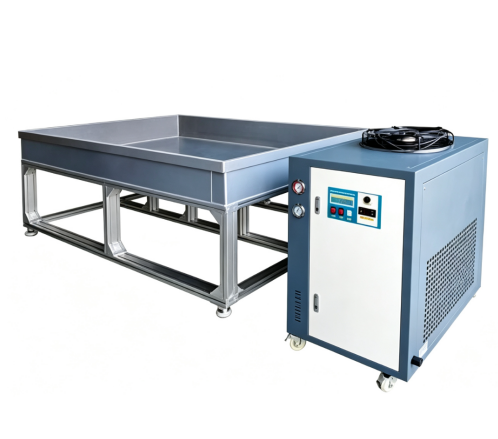
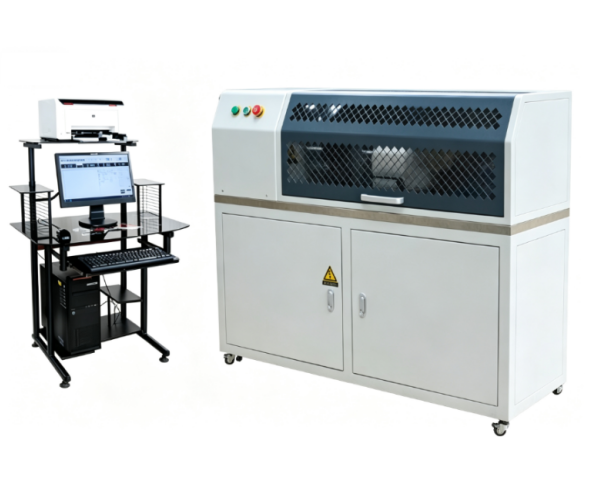
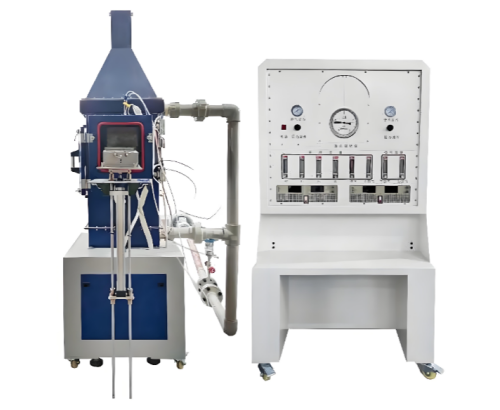
Gas Pulse Testing Machine
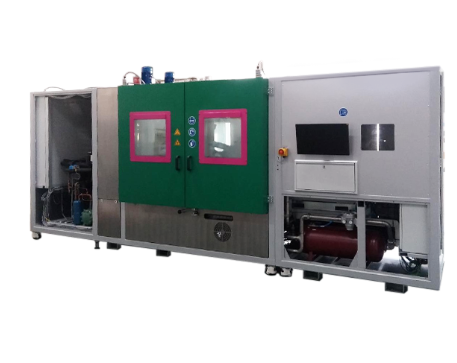


The Gas Pulse Testing Machine is a specialized system designed for evaluating automotive air-cooled and pressurized components under dynamic gas pressure conditions. You can use it to test turbocharger systems, intercoolers, and other pressurized air components with precise control. The machine provides automatic leak detection and shut-off for failed samples, while performing positive and negative pressure pulse testing to simulate real-world operational conditions.
Application
The Gas Pulse Testing Machine is suitable for a variety of automotive testing applications:
Turbocharger Components: Test air intake pipes, intercoolers, and hoses under dynamic pressure and temperature conditions.
Air-Cooled Systems: Evaluate radiators and heat exchangers subjected to pressurized air pulses.
Component Durability Testing: Conduct high-temperature pressure pulse tests to assess fatigue and long-term reliability.
Leak Detection: Automatically identify and shut down failed samples during testing.
Automotive R&D: Support material, design, and system optimization for air and turbocharged systems.
Typical test products include air intake pipes, intercoolers, turbocharger ducts, hoses, and other pressurized air system components.
Standards
The system supports compliance with major automotive engineering standards:
GMW16153. Version Oct. 2014 – GM global engineering standard for materials and component cleanliness/particle control.
TL VW60562‑2010‑06 – Volkswagen Group technical specification for system component performance and reliability.
Fiat 9.02132‑01 – Fiat engineering specification for component performance and testing requirements.
BMW 10403165‑03 – BMW group engineering specification for functional, material, and component testing.
Ford ESBB53‑6C646‑AA – Ford engineering standard for high-pressure intake pipe components.
LH 10354886‑000‑01 – LH internal standard for component durability and functional testing.
Parameters
| Parameter Category | Details |
|---|---|
| Equipment Dimensions | 4100 × 2400 × 2000 mm (W × H × D) |
| Environmental Chamber Dimensions | 1500 × 1500 × 1000 mm (W × H × D) |
| Rated Power | 35 kW |
| Test Medium | Air |
| Pressure Range | -0.5 … 5 bar |
| Pressure Frequency | > 0 … 2 Hz |
| Pressure Waveform | Trapezoidal, near Sine |
| Air Medium Temperature Range | +30 … +250°C |
| Environmental Chamber Temperature | +30 … +250°C |
| Test Channels | 8 |
| Motion Device Frequency | > 0 … 2 Hz |
| Motion Device Amplitude | max. ±30 mm |
Features
Designed for testing automotive motor parts, particularly turbocharger pipelines.
Performs high-temperature pressure pulse testing under hot air conditions.
Equipped with a large environmental chamber for sample placement.
Pressure range from -0.5 to max. 5 bar.
Automatic leak detection and leak testing with fail-safe shutdown for defective samples.
Integrated robot for 3D motion simulation of test samples.
Windows-based control unit with real-time data recording.
Accessories
Environmental chamber with dual access doors
Linear and 3D robotic motion system
Pressure sensors and leak detection units
Air supply system with temperature and pressure control
Windows-based control and data acquisition software
Safety interlocks for failed samples
Sample mounting brackets for turbocharger components
Maintenance Information
Inspect motion devices, robotic arms, and pressure sensors before each test.
Verify air supply, tubing, and chamber seals for leaks.
Periodically calibrate pressure, temperature, and motion sensors.
Clean the environmental chamber and robotic components to prevent contamination.
Replace worn or damaged safety devices to maintain operational integrity.
FAQ
1. What is this product?
The Gas Pulse Testing Machine is a laboratory system designed to evaluate automotive pressurized air components under dynamic pressure and thermal conditions.
2. What is it used for?
It tests turbocharger pipelines, intercoolers, hoses, and air-cooled system components for pressure resistance, thermal durability, and leak detection.
3. How does it work?
The system applies controlled positive and negative pressure pulses while using robotic motion to simulate real operational stresses. Sensors monitor pressure, temperature, and leaks to ensure accurate testing.
4. Why is it important?
It ensures air-cooled and turbocharged components meet strict durability and functional standards, preventing system failures in vehicles.
5. Which industries is it suitable for?
It is suitable for automotive manufacturers, turbocharger suppliers, cooling system R&D, and component testing laboratories.
Leave Message Get Price