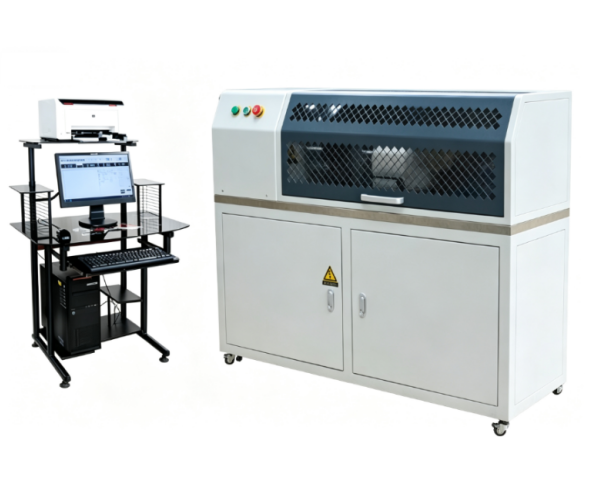
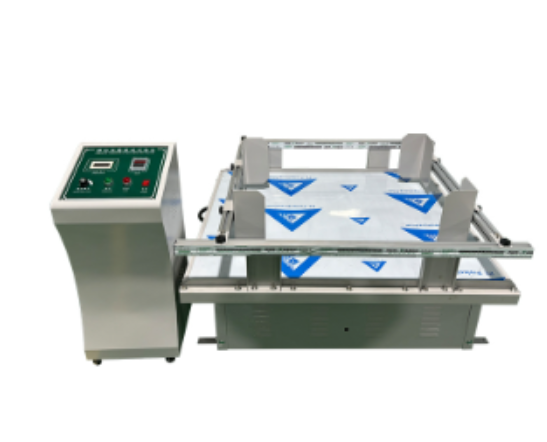
Hand-Feel Tester(Model: G669)
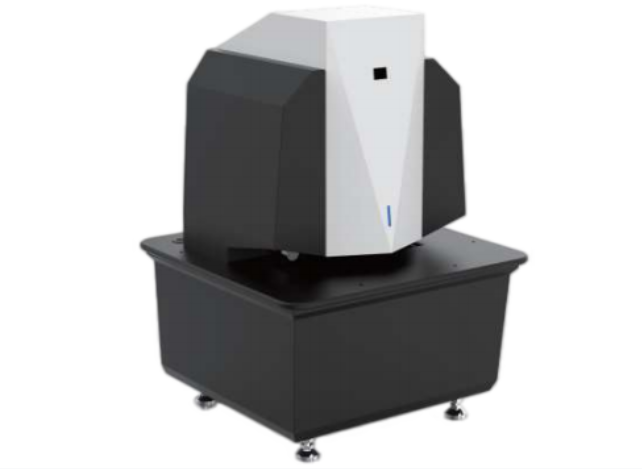


The Hand-Feel Tester is a laboratory testing instrument used for objective evaluation of the comprehensive tactile performance of fabrics. By simulating the real contact behavior of human fingers touching textile surfaces, you can quantitatively measure key hand-feel indicators such as softness, stiffness, smoothness, and elasticity. The instrument converts subjective tactile perception into repeatable and comparable numerical data, providing reliable support for fabric development, quality control, and performance evaluation.
Application
You can use the Hand-Feel Tester for objective hand-feel assessment of various textile materials, including:
Woven home textile fabrics (bed sheets, upholstery fabrics)
Woven suiting fabrics
Knitted underwear and apparel fabrics
Woven woolen and worsted fabrics
Other flexible textile materials requiring tactile performance evaluation
It is suitable for use in textile manufacturing, product development laboratories, research institutions, and quality inspection departments.
Standards
(1) T/CTES 1017-2019
Textiles — Fabric Hand-Feel Testing and Evaluation Method — Three-Point Beam Method
Parameters
| Item | Specification |
|---|---|
| Test indicators | Softness, stiffness, smoothness, elasticity, comprehensive evaluation |
| Sample size | 50 mm × 500 mm |
| Maximum sample thickness | 4 mm |
| Single measurement time | Approx. 4 minutes |
| Test environment | (20 ± 3) °C; (60 ± 5) % RH |
| Overall dimensions | W500 × D480 × H780 mm |
| Power supply | AC 220 V ±10% |
| Power consumption | 100 W |
| Net weight | 50 kg |
Features
Fully bionic testing structure that simulates human finger contact with fabric surfaces
Cylindrical indenters designed to imitate finger shape, with fine surface texture to replicate fingerprint contact
One upper and two lower indenter configuration, reproducing realistic finger-touch behavior
Three-point beam testing method integrates compression, bending, friction, and tensile deformation in one test
Extraction of quantitative indicators from force–displacement curves for objective hand-feel evaluation
Multiple hand-feel indicators measured in a single test without changing fixtures
Stable mechanical structure with high control accuracy and repeatable results
Accessories
(1) Hand-feel testing unit
(2) Standard indenter assembly
(3) Power cable
(4) User operation manual
Test Procedures
Condition the fabric sample under the specified temperature and humidity environment.
Cut the specimen to the required size and place it correctly on the test platform.
Start the test through the control interface.
The indenters interact with the specimen using the three-point beam method, applying compression, bending, friction, and tensile actions.
The system records force–displacement data and calculates quantitative hand-feel indicators.
Review and record the test results after the measurement is completed.
Maintenance Information
Keep the instrument clean and free from dust and fiber contamination.
Regularly check the indenter surfaces to ensure they are clean and undamaged.
Verify mechanical alignment and fastening components periodically.
Store the instrument in a stable laboratory environment within the specified temperature and humidity range.
Power off the instrument when not in use for extended periods.
FAQ
(1) What is this product?
This product is a laboratory instrument designed to objectively evaluate the hand-feel properties of fabrics by simulating human finger contact and measuring mechanical responses.
(2) What is this product used for?
You use it to measure and compare fabric softness, stiffness, smoothness, elasticity, and overall tactile performance in a controlled and repeatable manner.
(3) What is the working principle of this product?
The instrument uses a three-point beam method combined with bionic finger-shaped indenters. During testing, the fabric undergoes compression, bending, friction, and tensile deformation, and quantitative indicators are extracted from force–displacement curves.
(4) Why is this product important?
It eliminates subjective judgment in fabric hand-feel evaluation, improves data consistency, and provides objective support for product design, process control, and quality assurance.
(5) What industries is this product suitable for?
It is suitable for textile manufacturing, fabric development, quality inspection agencies, research institutions, and apparel and home textile industries.
Leave Message Get Price