Fabric Wet Adhesion Performance Tester
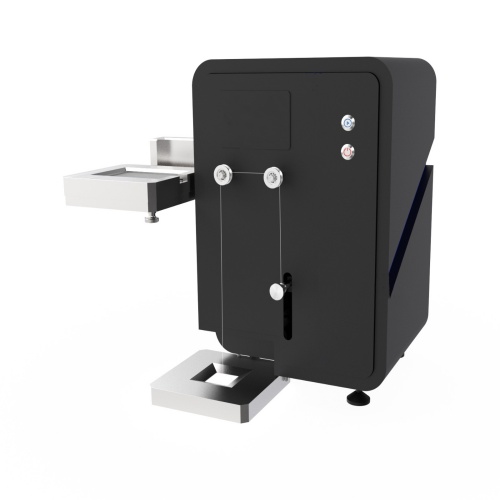


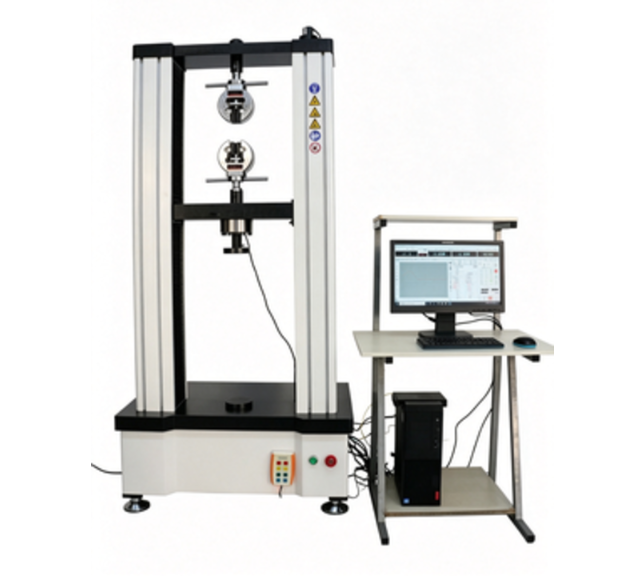
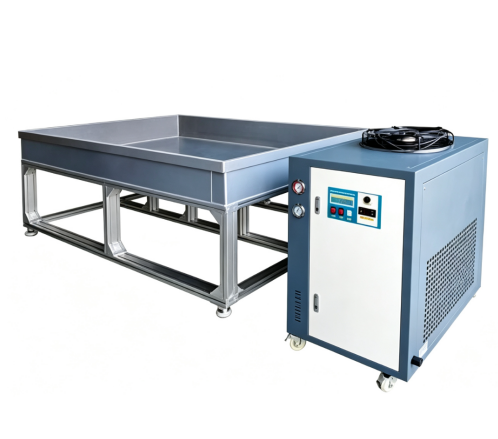
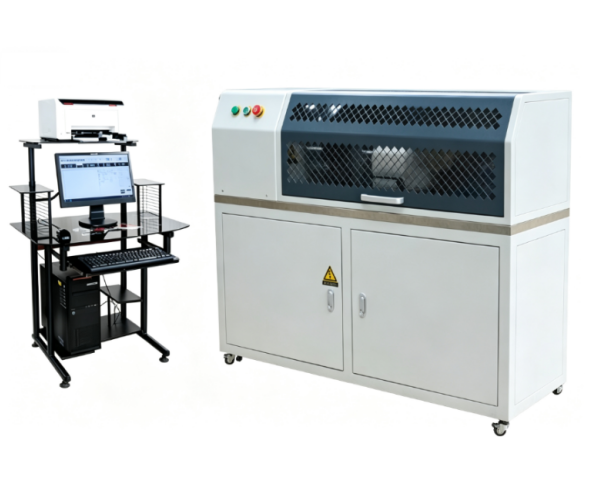
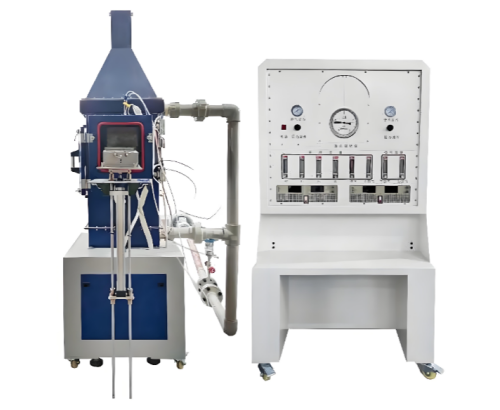
The Fabric Wet Adhesion Performance Tester is a precision instrument designed to evaluate the adhesion behavior between wetted fabrics and human skin during wearing conditions. By simulating moisture exposure caused by sweat, rain, or other liquid environments, the tester measures the adhesion force generated between fabric surfaces and evaluates the impact on wearing comfort and mobility. It is widely used for performance analysis of apparel fabrics, sportswear materials, functional textiles, and moisture-management fabrics.
Application
The tester is widely used in:
(1) Apparel and Fashion Textiles – Assessing skin adhesion of shirts, blouses, activewear, and intimate clothing.
(2) Sportswear & Outdoor Clothing – Evaluating comfort and mobility when fabrics are exposed to sweat or rain.
(3) Medical & Protective Clothing – Testing adhesion for surgical gowns, protective suits, or moisture-managing fabrics.
(4) Functional Textiles – Assessing wetted adhesion in moisture-wicking, cooling, or hydrophilic fabrics.
(5) Textile R&D & Product Development – Optimizing fiber blends, surface coatings, and fabric finishes.
(6) Quality Control – Ensuring batch-to-batch consistency in skin adhesion performance.
(7) Third-Party Testing & Certification – Verifying compliance with domestic and international standards.
(8) Education & Training – Demonstrating textile wet adhesion principles to students and trainees.
(9) Forensic & Performance Analysis – Studying fabric behavior under liquid exposure for product complaints or research.
Standards
Domestic Standards:
T/CNGA 64-2024: Determination of Wet Adhesion of Clothing Fabrics
FZ/T: Reviewed and pending publication
International Standards:
ISO 105-F: Textiles – Tests for colorfastness – Wet and dry rubbing methods (relevant for adhesion effects under wet conditions)
ISO 13934-1 / ISO 13934-2: Textiles – Tensile properties of fabrics (for evaluating mechanical response during wet adhesion testing)
ISO 105-E04: Textiles – Colorfastness to perspiration (simulates wet fabric-skin interaction)
ASTM D5034: Standard Test Method for Breaking Strength and Elongation of Textile Fabrics (relevant for wet tensile performance)
ASTM D2594: Standard Test Method for Pilling Resistance and Other Related Surface Changes of Fabrics (to indirectly assess wet adhesion effects)
EN 31092: Textiles – Physiological effects – Measurement of water vapor resistance of clothing fabrics (indirectly related to comfort under wet adhesion conditions)
AATCC TM79: Absorbency of Textiles – Evaluating wetting behavior relevant to adhesion and comfort
Technical Specifications
| Parameter | Specification |
|---|---|
| Maximum Load | 300 g |
| Force Measurement Range | 0.4% – 100% FS |
| Measurement Accuracy | ±0.03% FS |
| Test Speed | 1–100 mm/min |
| Maximum Displacement | 80 mm |
| Displacement Accuracy | 10 μm |
| Servo Motor / Driver | Panasonic |
| Dimensions (L×W×H) | 545 × 419 × 509 mm |
| Power Supply | AC 220V ±10%, 400 W |
| Weight | 25 kg |
Features
(1) Four-level evaluation system for wet adhesion performance (Level 1: Excellent – Level 4: Poor).
(2) High-precision force measurement with 0.03% FS accuracy.
(3) Adjustable test speed from 1–100 mm/min for versatile testing.
(4) Servo-controlled movement with Panasonic motor and driver for stability and repeatability.
(5) Compact, ergonomic design suitable for laboratory environments.
Test Procedures
(1) Secure the wet fabric sample on the fixture.
(2) Adjust the test speed and maximum displacement according to the material and standard.
(3) Start the servo motor to measure adhesion force while the fabric is in a wetted state.
(4) Record adhesion force and assign performance level based on four-level system.
(5) After testing, clean the sample holder and surrounding area to avoid residue.
(6) Periodically calibrate the force sensor and servo system to maintain accuracy.
FAQ
(1)What does this tester evaluate?
This tester evaluates how fabrics behave when they become wet and come into contact with skin. It measures the adhesion force generated under moisture conditions, providing objective data to assess wearing comfort, mobility, and the suitability of fabrics for different clothing applications.
(2)Why is wet adhesion performance important for clothing fabrics?
When fabrics absorb sweat or moisture, excessive sticking to the skin may affect comfort and movement. Evaluating this property helps manufacturers develop fabrics that provide better moisture management, improved wearing experience, and enhanced performance during sports or outdoor activities.
(3)What types of textiles can be tested?
The instrument can evaluate various textile materials, including sportswear fabrics, functional apparel materials, moisture-wicking textiles, medical fabrics, and protective clothing materials. It is suitable for comparing different fiber compositions, fabric structures, and finishing technologies.
(4)How is the adhesion force measured?
The wet specimen is fixed on the test fixture, and the servo-controlled system performs controlled movement to measure the force generated during separation or movement. The collected force data is analyzed to determine the wet adhesion performance level.
(5)What advantages does servo control provide in testing?
The servo drive system provides precise speed control and stable movement during testing. This helps reduce mechanical variation, improves repeatability between tests, and ensures more reliable evaluation results when comparing different fabric materials.
Leave Message Get Price