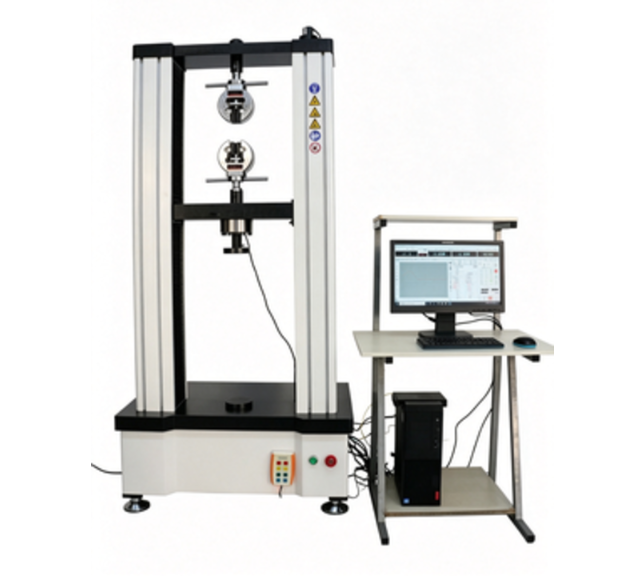
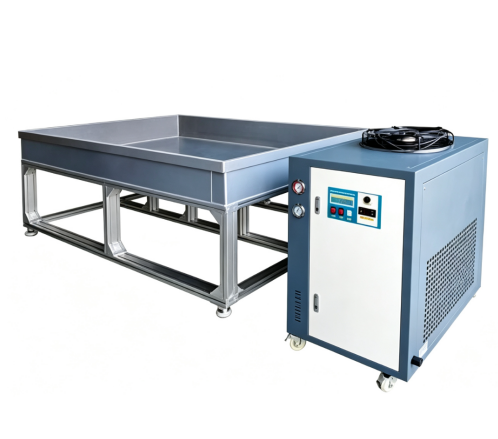
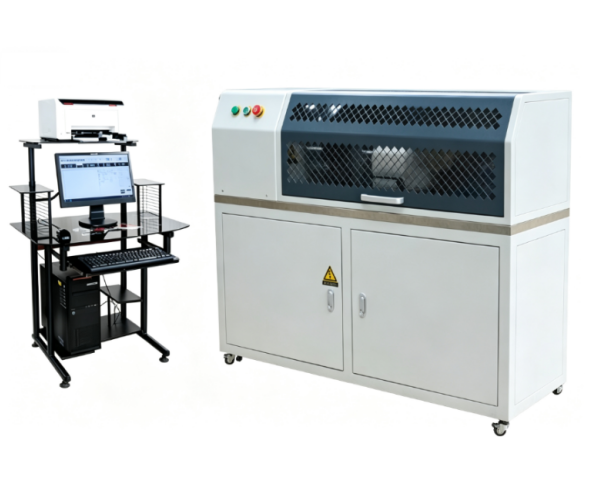
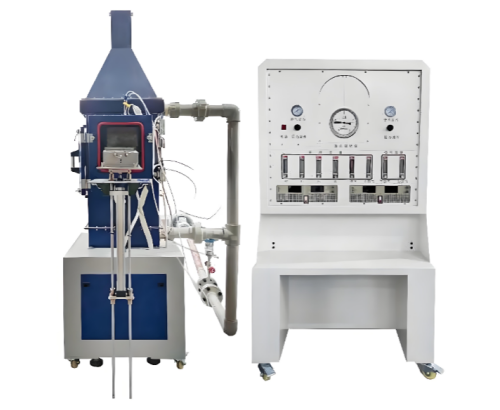
Plastic Biodegradation Testing System
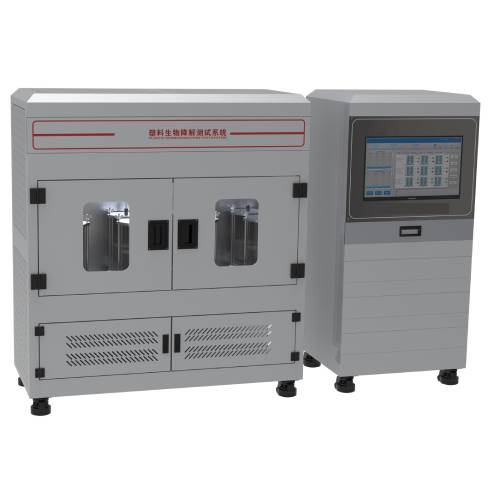


The Plastic Biodegradation Testing System is a laboratory system used to evaluate the ultimate aerobic biodegradation performance and disintegration behavior of plastic materials under controlled composting conditions. By continuously measuring the carbon dioxide released during aerobic biodegradation, you can accurately determine the biodegradation percentage and material disintegration performance.
The Plastic Biodegradation Testing System provides an effective solution for evaluating the biodegradation performance of compostable plastics and bio-based materials. By monitoring CO₂ release under controlled composting conditions, it helps laboratories and manufacturers assess environmental performance, support material development, and verify compliance with biodegradation standards.
Application
It is suitable for testing biodegradable plastics, compostable plastics, bio-based polymer materials, packaging materials, agricultural films, shopping bags, polyester-based biodegradable plastics, and other polymer products intended for composting or environmental degradation evaluation.
(1) Biodegradable plastics — testing compostable polymer materials and evaluating their degradation performance.
(2) Bio-based materials — analyzing biodegradation behavior of renewable polymer materials.
(3) Packaging materials — evaluating compostable packaging films, bags, and related products.
(4) Agricultural materials — testing biodegradable mulch films and agricultural plastic products.
(5) Polyester-based biodegradable plastics — evaluating materials such as PBAT and other compostable polymers.
(6) Research institutions and laboratories — supporting material development, environmental assessment, and biodegradation studies.
Standards
The Plastic Biodegradation Testing System complies with and supports testing according to the following standards:
(1) GB/T 19277.1-2011 Determination of the ultimate aerobic biodegradability of materials under controlled composting conditions – Method by analysis of released carbon dioxide – Part 1: General method
(2) GB/T 19277.2-2013 Determination of the ultimate aerobic biodegradability of materials under controlled composting conditions – Method by analysis of released carbon dioxide – Part 2: Gravimetric determination of carbon dioxide released under laboratory conditions
(3) GB/T 19811-2005 Determination of the degree of disintegration of plastic materials under defined composting conditions
(4) ISO 16929:2021 Plastics – Determination of the degree of disintegration of plastic materials under defined composting conditions in a pilot-scale test
(5) GB/T 29649-2013 Determination of bio-based content in bio-based materials – Liquid scintillation counting method
(6) GB/T 33797-2017 Determination of the ultimate anaerobic biodegradability of plastics under high-solids composting conditions by analysis of released biogas
(7) GB/T 22047-2008 Determination of the ultimate aerobic biodegradability of plastic materials in soil by measuring oxygen demand or released carbon dioxide
(8) GB/T 20197-2006 Degradable plastics – Definition, classification, marking and degradability requirements
(9) GB/T 32163.2-2015 Ecodesign product assessment specification – Part 2: Degradable plastics
(10) GB/T 16716.7-2012 Packaging and packaging waste – Part 7: Biodegradation and composting
(11) GB/T 38082-2019 Biodegradable plastic shopping bags
(12) GB/T 29646-2013 Modified polyester biodegradable plastics for blow molding films
(13) GB/T 32366-2015 Biodegradable poly(butylene adipate-co-terephthalate) (PBAT)
(14) GB/T 33798-2017 Biodegradable polyester roll bags
(15) GB/T 35795-2017 Fully biodegradable agricultural mulch films
Parameters
| Item | Description |
|---|---|
| Test Method | Aerobic composting biodegradation |
| Composting Mode | Static composting vessel |
| Measured Indicator | Carbon dioxide (CO₂) release |
| Evaluation Results | Biodegradation percentage, disintegration degree |
| Test Environment | Controlled temperature, oxygen concentration, and humidity |
| Carbon Source Analysis | Total Organic Carbon (TOC) |
| Monitoring Method | Continuous monitoring and periodic measurement |
| Blank Control | Blank composting vessel included |
Features
You can determine the ultimate aerobic biodegradation capability of plastic materials through precise CO₂ monitoring.
The system simulates controlled composting conditions with regulated temperature, oxygen, and humidity.
Biodegradation percentage is calculated by comparing actual CO₂ release with theoretical CO₂ based on TOC.
The system allows evaluation of both biodegradation performance and material disintegration at the end of the test.
It supports reliable comparison between test samples and blank controls.
Accessories
(1) Static composting vessels
(2) Carbon dioxide collection and measurement units
(3) Temperature and humidity control components
(4) Oxygen concentration control components
(5) Sample mixing and inoculation tools
Maintenance Information
You should regularly check gas collection and measurement components for sealing and accuracy.
Composting vessels must be cleaned after each test cycle to prevent cross-contamination.
Sensors and control systems should be calibrated periodically according to laboratory requirements.
All components should be maintained to ensure stable long-term operation.
FAQ
(1) What does the Plastic Biodegradation Testing System measure?
The system measures the ultimate aerobic biodegradation performance of plastic materials by analyzing carbon dioxide released during composting. The results are used to calculate biodegradation percentage and evaluate material degradation behavior.
(2) Which materials can be tested with this system?
It is suitable for biodegradable plastics, compostable packaging materials, agricultural films, bio-based polymers, PBAT materials, and other plastic products designed for environmental degradation evaluation.
(3) How is biodegradation performance evaluated?
During testing, microorganisms degrade the material and release CO₂. The system monitors this change under controlled conditions and compares the results to determine the biodegradation level.
(4) Which standards are commonly used for plastic biodegradation testing?
Common standards include GB/T 19277.1, GB/T 19277.2, ISO 16929, and related biodegradable plastic standards. The applicable method depends on the material type and test purpose.
(5) How to choose the right testing solution?
Selection depends on the material type, required standard, test duration, and evaluation method. QINSUN engineers can recommend a suitable solution based on your requirements. Contact us for professional support.
Leave Message Get Price