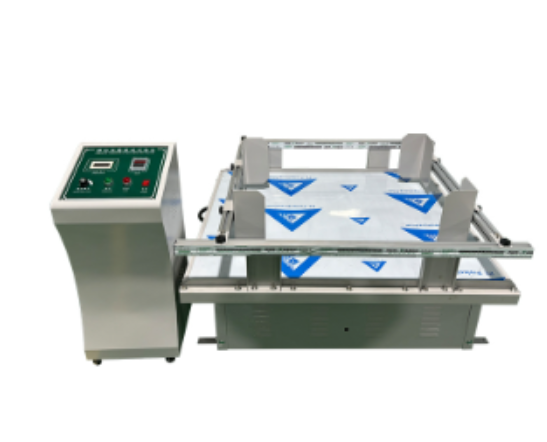
Nissan Material Abrasion Tester
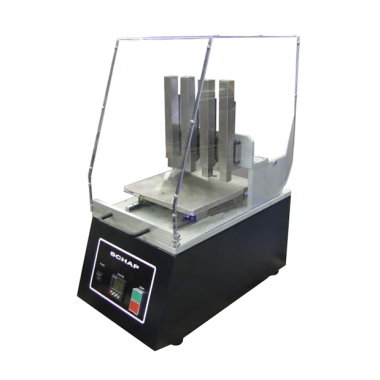


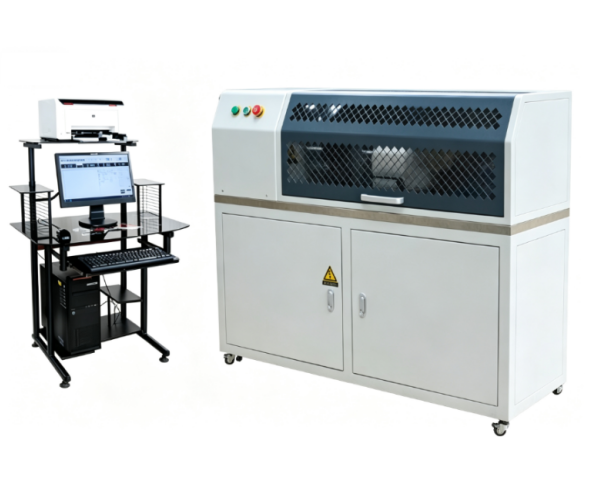
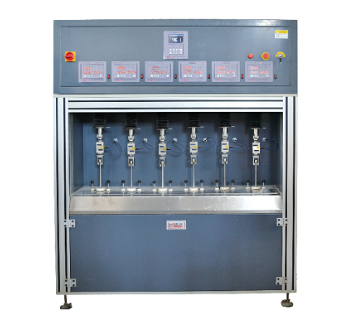
The Nissan Material Abrasion Tester is a four-station precision rubbing instrument designed to evaluate the abrasion resistance of a wide range of materials, such as textiles, coatings, plastics, and interior automotive components.
It measures how well materials withstand wear due to repeated rubbing or frictional contact, providing essential data for automotive material qualification and durability testing.
Application
(1)Automotive interior materials
Used for testing wear resistance of seat fabrics, interior trims, decorative panels, armrests, door components, and other vehicle interior parts.
(2)Coatings and painted surfaces
Applicable for evaluating surface wear, coating durability, and adhesion performance after repeated rubbing.
(3)Textile materials
Used to assess abrasion resistance of automotive fabrics, synthetic leather, and other textile-based materials.
(4)Plastic components
Suitable for testing plastic surfaces and molded parts exposed to frequent contact and friction.
(5)Automotive supplier quality control
Used by OEM suppliers and laboratories to verify material performance according to Nissan material testing requirements.
Test Standards
Nissan NES M0155 (2008-N) – Sections 15, 16, and 31
Nissan NES MO602 (2022-3)
These standards define the procedures for evaluating surface wear, abrasion durability, and coating adhesion performance of automotive materials.
Technical Specifications
| Feature | Specification |
|---|---|
| Number of Test Stations | 4 independent test stations |
| Cycle Speed Range | 0 – 60 cycles per minute (CPM), adjustable |
| Stroke Length Range | 50 – 100 mm, adjustable |
| Load Range | 12.9 N – 392 N (adjustable via auxiliary weights) |
| Drive Mechanism | Precision ball and needle bearing assembly |
| Motor Type | High-quality brushless electric motors |
| Control System | Programmable count-up controller with automatic stop |
| Speed Controls | Adjustable jog and test speed settings |
| Protective Cover | Vented safety cover to prevent hand contact with moving parts |
| Construction Materials | Non-corrosive aluminum and solid stainless steel |
| Surface Finish | Durable powder coating and anodized finishes |
| Power Supply | Supply voltage specified at time of purchase |
Features
Compliant with official Nissan testing standards, ensuring full compatibility for OEM supplier testing.
Four-station configuration allows multiple samples to be tested simultaneously, improving efficiency.
Wide adjustable stroke and load range accommodates various material types and test severities.
Precision bearings and brushless motors deliver smooth, stable operation and long service life.
Programmable automatic control system simplifies operation and ensures test repeatability.
Vented protective housing enhances operator safety while maintaining accessibility for adjustments.
Corrosion-resistant aluminum and stainless-steel structure guarantees durability in laboratory environments.
Compact, low-noise design suitable for continuous testing applications.
FAQ
(1)What materials can be evaluated with this abrasion tester?
This tester is suitable for automotive textiles, coatings, plastics, synthetic leather, and interior components. It helps manufacturers evaluate how materials perform under repeated rubbing conditions similar to daily vehicle use.
(2)Why is abrasion testing important for automotive materials?
Automotive interior materials experience frequent contact from passengers and operation. Abrasion testing helps identify potential surface wear, coating damage, or appearance changes before materials are used in vehicle production.
(3)How does the four-station design benefit laboratory testing?
The four independent stations allow multiple samples or different materials to be tested under the same conditions. This improves comparison efficiency and supports faster material evaluation during development and quality inspection.
(4)Which Nissan standards are supported by this testing equipment?
The tester is designed for automotive abrasion evaluations according to Nissan NES M0155 (2008-N) Sections 15, 16, and 31, as well as Nissan NES M0602 (2022-3), depending on the specific material test requirements.
(5)What factors should be considered when selecting an automotive abrasion tester?
Users should consider required load range, stroke distance, cycle speed, number of test stations, and standard compatibility. For OEM-related testing, compliance with manufacturer-specific procedures is an important selection factor.
Leave Message Get Price