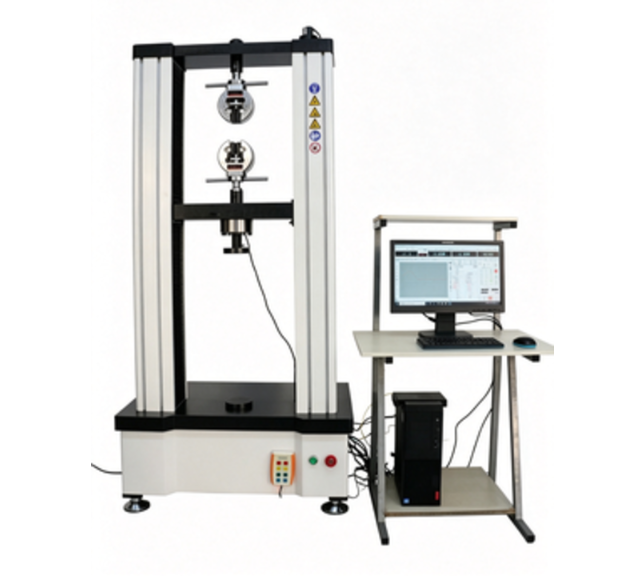
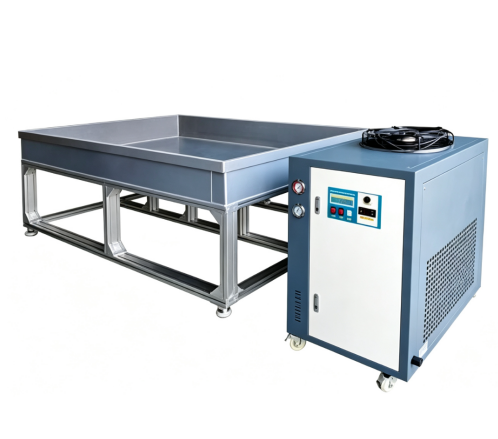
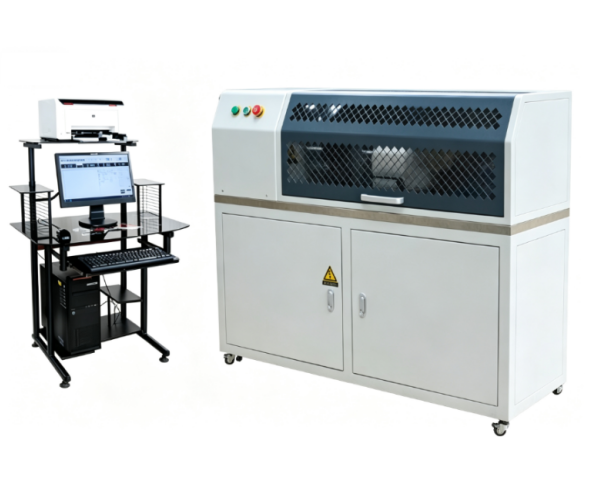
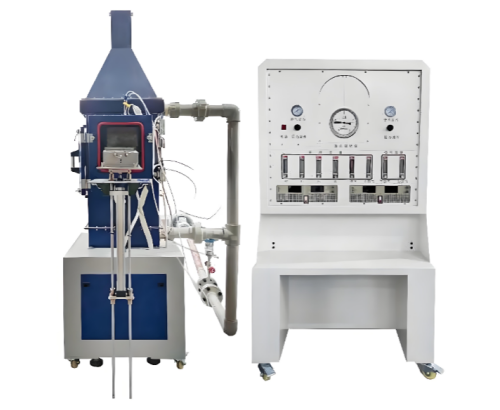
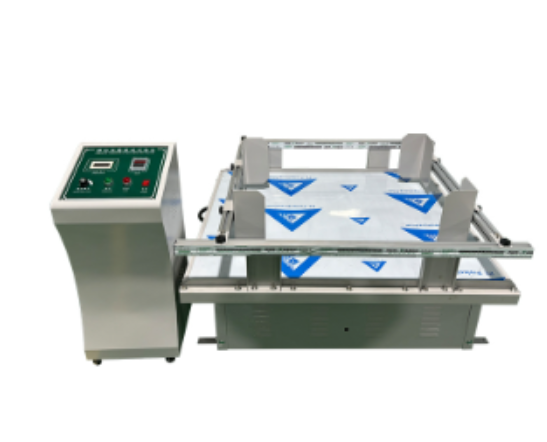
Simulate Transport Shaker
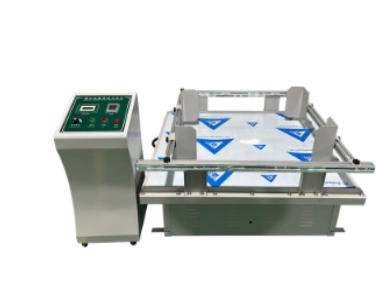


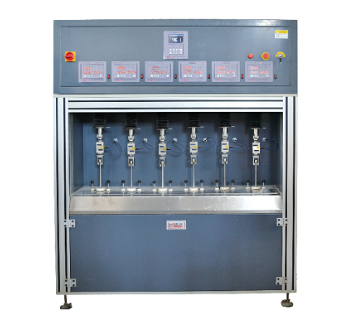
The Simulated Transport Shaker is designed to reproduce vibration conditions encountered during transportation. It accurately simulates real-world dynamic environments such as vehicle movement, road irregularities, and handling impacts, enabling reliable evaluation of product durability, structural integrity, and packaging performance.
Application
Simulation of transportation vibration environment: The simulation of transportation vibration table can simulate the vibration environment that may be encountered in cars, trains, ships and other transport vehicles, such as bumps, uphill, downhill, turning and other circumstances of the product collision, extrusion and other vibration, to evaluate the product in these conditions of transportation performance and packaging design rationality.
Evaluation of product vibration resistance: Through vibration testing, you can assess whether the product can withstand the test of the vibration environment during the transportation process, including structural vibration resistance, reliability and sound parts. This helps to ensure the safety and stability of the product during transportation.
Optimize product design and packaging: Test results from simulated transportation shakers can provide data support for product design and packaging optimization. For example, based on the test results, the product structure can be improved, the material strength can be enhanced, or the packaging design can be optimized to improve the transportation resistance of the product.
Quality control and inspection: During the production process, the simulated transport shaker can be used to check whether the product meets the preset vibration resistance requirements. This helps to ensure consistency and stability of product quality, reducing returns and repair costs due to quality problems.
R&d and Design support:
During the product development and design phase, the simulated transport shaker can be used to evaluate the impact of different materials, structures or processes on the vibration resistance of the product. This helps to guide the improvement of product design and production process, improve the overall performance of products and market competitiveness.
Standards
Simulation transport shakers need to follow a series of standards and specifications during testing to ensure the accuracy and comparability of test results. Here are some of the main applicable standards:
1S0 2247:
The transportation vibration test applicable to packaging and storage and transportation requires the necessary inspection of the tested item before the test, and the simulation of the specified vibration conditions during the transportation process to evaluate its durability in transit.
ASTM D4169:
The standards developed by the American Society for Materials and Testing include 11 different test sequences for various types and sizes of packaging and storage. Vibration and shock tests are carried out by simulating real transport conditions to evaluate the transport resistance of the product.
ISTA(International Transport Packaging Association) standards:
The packaging is divided into several categories according to its sensitivity to vibration and impact. In the process of testing, the environment and mode of transportation are required to be simulated, and the appearance, performance and other aspects of the test are inspected to evaluate the transportation performance of the product and the rationality of the packaging.
Other criteria:
Such as GB/T 4857.7-2005(China national standard), MIL-STD-810G Method 514.6(test standard issued by the United States Department of Defense), IEC60068-2-6(International Electrotechnical Commission standard), etc., are also suitable for the test of simulated transportation shaking table. These standards may specify specific test methods and requirements for different types of materials, products or test requirements.
Parameters
| Item | Specification |
|---|---|
| Vibration Type | Simulated transport vibration |
| Motion Mode | Reciprocating / rotational (depending on configuration) |
| Load Capacity | Configurable based on test requirements |
| Frequency Range | Adjustable (depending on model) |
| Amplitude | Adjustable |
| Control Mode | Manual / programmable |
| Test Duration | User-defined |
| Power Supply | AC 220V / 50Hz (or customized) |
Features
(1) Realistic transport simulation covering multiple logistics conditions
(2) Adjustable vibration parameters for different product requirements
(3) Stable operation with repeatable test results
(4) Suitable for both product and packaging evaluation
(5) Supports standard-compliant testing procedures
(6) Flexible configuration for different load capacities
FAQ
(1) How to select the appropriate vibration standard for testing?
Selection depends on transport conditions and product type. For general packaging validation, ASTM D4169 and ISTA 3 are commonly used. ISO 2247 is suitable for basic vibration simulation. Engineers should match test severity levels with actual logistics scenarios to ensure meaningful results.
(2) What is the key indicator to evaluate test results?
Evaluation focuses on structural integrity, functional performance, and packaging condition after testing. Typical indicators include visible damage, loosening of components, deformation, and functional failure. Acceptance criteria are usually defined in standards such as ASTM D4169 or internal quality specifications.
(3) How to determine appropriate test duration?
Test duration is typically defined by the selected standard. For example, ISTA procedures specify vibration time based on transport conditions, while ASTM D4169 defines different assurance levels. If no standard applies, duration can be set based on estimated transport time and risk level.
(4) Does the test require product operation during vibration?
In some cases, especially for electronic or automotive components, functional testing during vibration is required to evaluate real-time performance. This depends on test objectives and relevant standards. Functional monitoring helps identify intermittent faults that static inspection cannot detect.
(5) What factors should be considered when selecting equipment?
Key factors include load capacity, vibration mode, frequency range, and compliance with required standards. It is important to match equipment capability with product size and test requirements. For detailed configuration advice, it is recommended to consult QINSUN engineers.
Leave Message Get Price