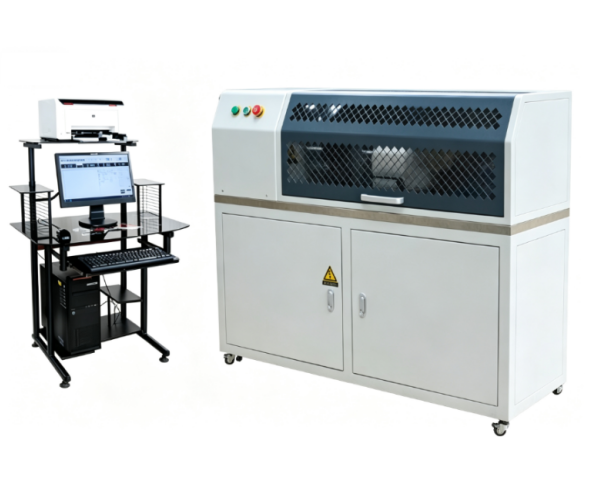
KK01 Scratch tester
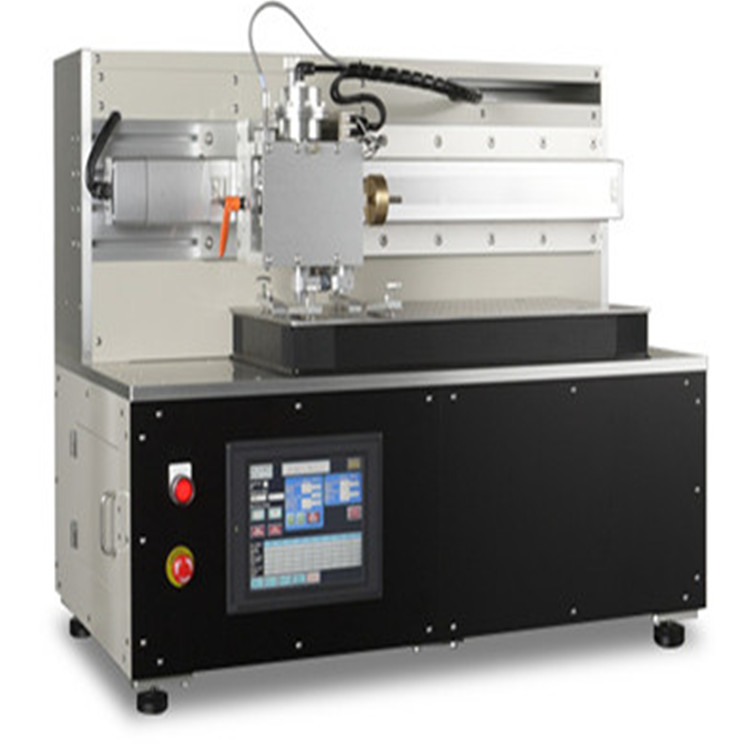


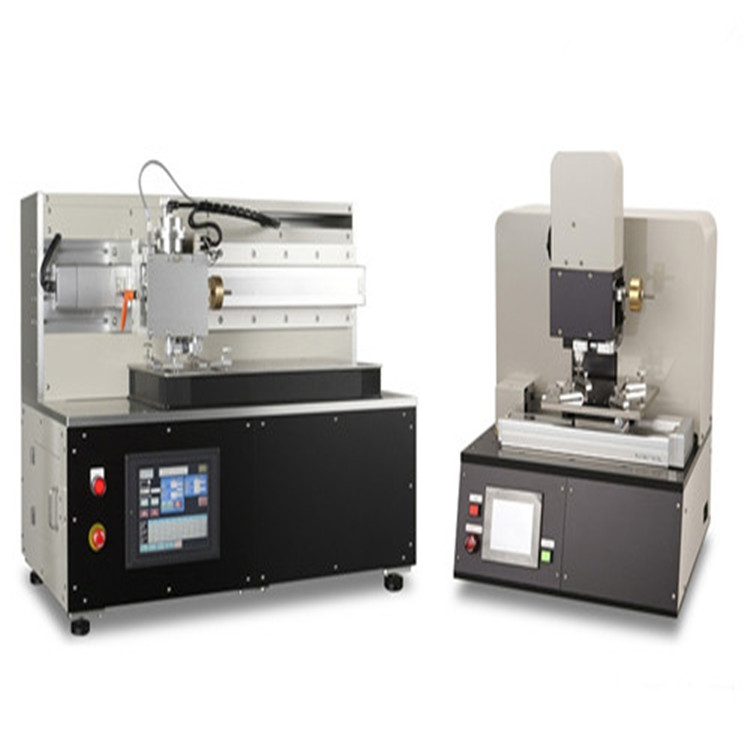
The Scratch Tester is a precision instrument designed to evaluate the scratch resistance and surface durability of plastic molded products, films, coatings, and automotive decorative materials. With the increasing application of plastic components and decorative surfaces, improving scratch resistance has become essential for maintaining product appearance, reliability, and service life.
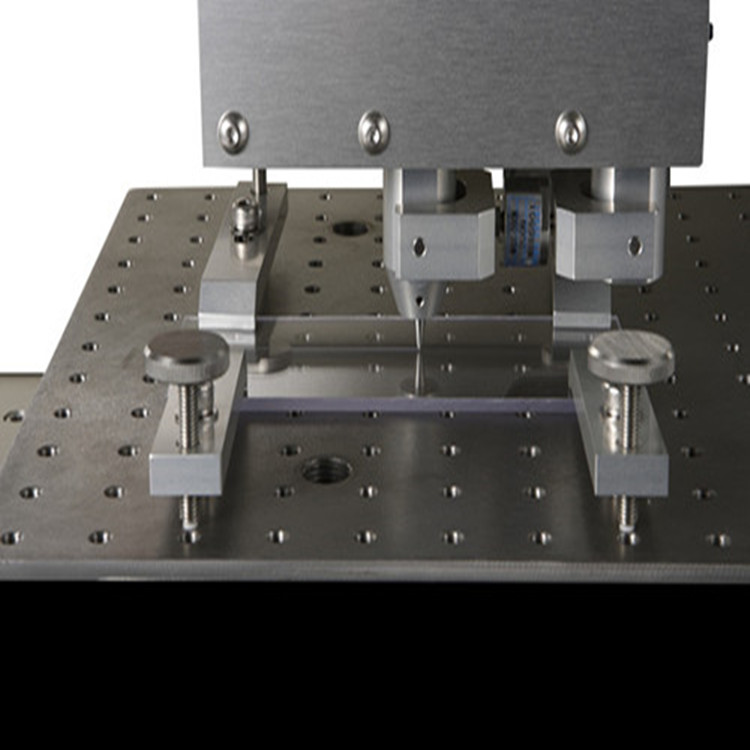
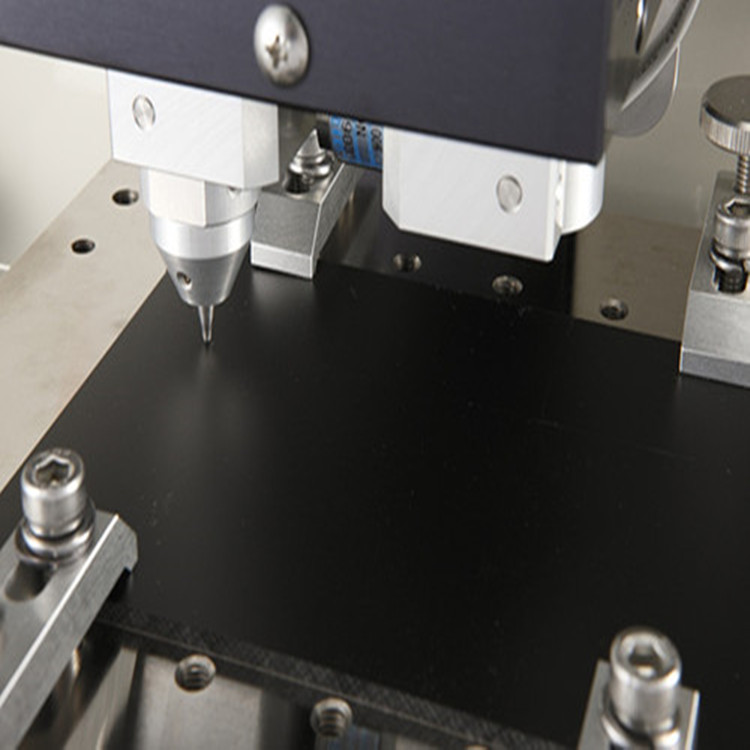
The instrument adopts a progressive load scratch testing method, where a steel stylus moves horizontally across the specimen surface while applying a controlled vertical load. By measuring scratch force, displacement, and scratch depth, the Scratch Tester provides accurate evaluation of surface damage characteristics and material scratch performance.
With the continuous expansion of the use of plastic molding products, from the point of view of the surface appearance of molded products (creativity), improving scratch resistance (scratch characteristics) has become an important topic. And scratch resistance is also very important from the point of view that scars formed on the surface of the molded product may reduce the strength of the product. Scratch testing is performed by horizontal movement of the scratch needle against the pattern. Scratch characteristics were previously evaluated by a "constant vertical load test", but the American Society for Materials and Testing (ASTM) and the International Organization for Standardization (ISO) standardized the "vertical load test" (ASTM D7027-05)。
Application
The tester uses a steel needle to scratch films, plastics, automotive interior and exterior decorative materials, coating materials, etc., to evaluate the material's "scratch resistance" (scratch characteristics)。
Standards
(1) ASTM D7027
Standard Test Method for Evaluation of Scratch Resistance of Polymeric Coatings and Plastics.
(2) ISO 19252
Plastics — Determination of scratch properties.
Technical Parameters
| Item | Specification |
|---|---|
| Measurement Method | Progressive load method |
| Scratch Direction | Left to right |
| Detector | Force sensor |
| Vertical Load Range | 1–200 N |
| Horizontal Load (Max.) | 200 N |
| Accuracy | ≤ ±0.5% FS |
| Scratch Distance (Max.) | 400 mm |
| Scratch Speed | 1–400 mm/s |
| Displacement Detection | Linear encoder |
| Scratch Depth Detection | Laser displacement meter |
| Data Communication | USB |
| Storage Capacity | 20 test conditions |
| Measurement Results Storage | Approx. 1000 results |
| Sample Size | 200 mm × 420 mm |
| Maximum Sample Thickness | 5 mm |
| Standard Stylus | φ1 mm |
| Power Supply | AC 100 V |
| Maximum Power Consumption | 60 W |
| Ambient Temperature | 10–40 ℃ |
| Relative Humidity | 30–70% RH (Non-condensing) |
| Dimensions | W965 × D530 × H690 mm |
| Weight | Approx. 150 kg |
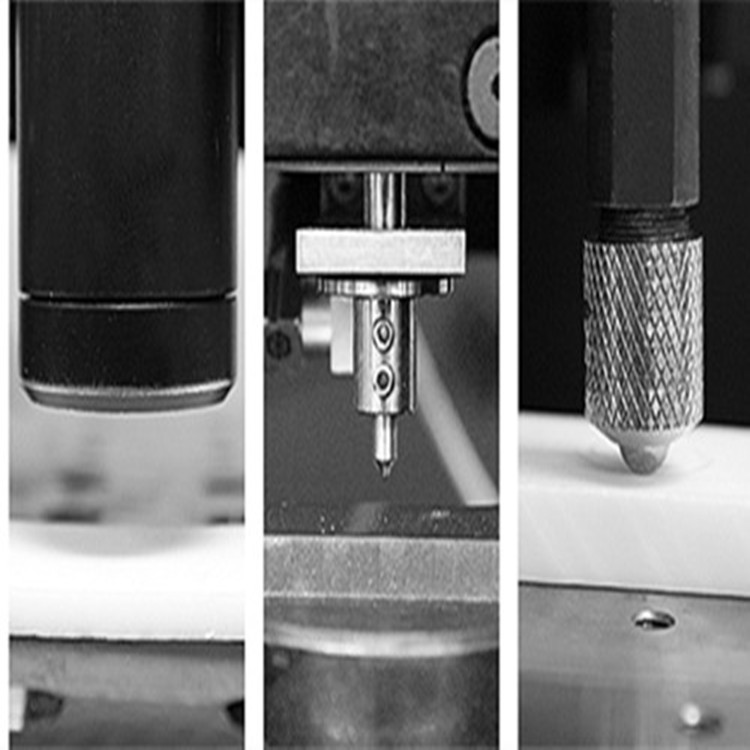
Chip type:
In addition to the standard φ1mm chip, a variety of chips are available to facilitate evaluation of a wide range of scratch damage (gloss scratch, scale scratch, cut scratch, etc.)。 Custom testing of chips to meet customer needs is also accepted.
Features
1. Teaching function
Use this function to set the load zone with high precision before sampling.
2. Easy to operate with touch screen
All functions can be used and configured through the touch screen installed in front of the Settings.
3, the surface has a bump can also test scratches
The Yaru drive for vertical loads uses a county frame mechanism, so that even the surface with a concave and convex pattern can be tested without affecting the linear increase in load characteristics.
4. Memorizable test conditions
FAQ
(1) What is the Scratch Tester used for?
The Scratch Tester is used to evaluate the scratch resistance of plastic products, films, coatings, and automotive decorative materials by applying controlled scratching forces and measuring surface damage performance.
(2) What materials can be tested by this scratch tester?
It is suitable for plastics, polymer coatings, films, automotive interior materials, exterior decorative parts, and other surfaces requiring scratch durability evaluation.
(3) How does the Scratch Tester evaluate scratch resistance?
The instrument uses a progressive load method. A stylus moves across the sample surface while the load increases, allowing evaluation of scratch force and surface damage characteristics.
(4) Can the tester evaluate different scratch damage types?
Yes. By using different stylus types, the tester can evaluate gloss scratches, scale scratches, cutting scratches, and other surface damage behaviors.
(5) How can users ensure accurate test results when selecting this instrument?
Each Scratch Tester undergoes strict factory inspection and performance verification before shipment. The calibration and testing process ensures the equipment provides accurate, stable, and reliable measurement results.
Leave Message Get Price