Plastic Sliding Friction and Wear Testing Machine
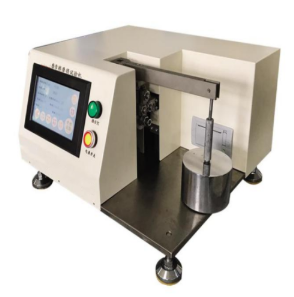


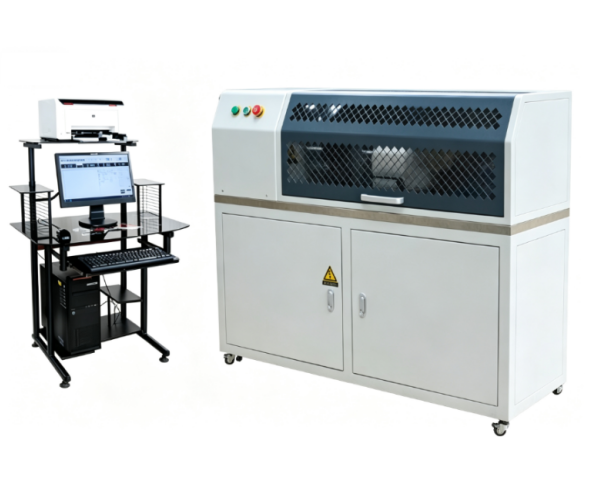
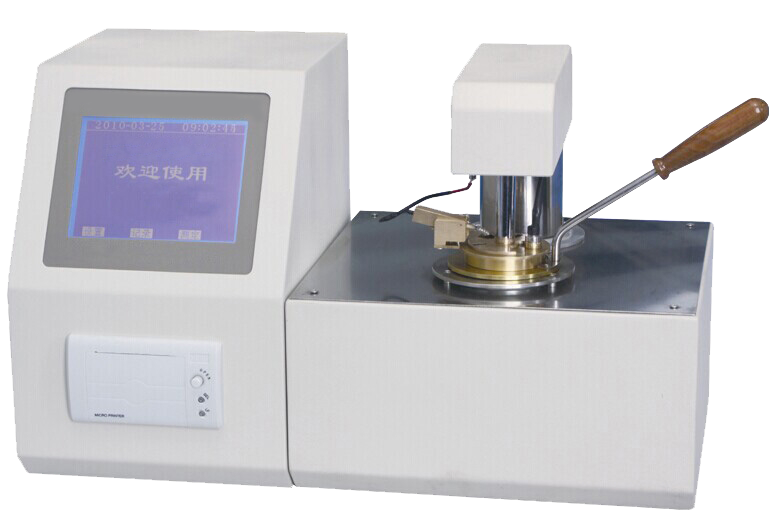
The plastic friction and wear testing machine meets the standard "GB/T3960-2016 plastic sliding friction and wear experimental method", which is suitable for measuring the sliding friction and wear properties of plastics and plastics and other composite materials, and can also measure the friction force and friction coefficient of the sample. The instrument adopts color crystal touch screen control, data processing and micro printing.
Application
(1) Engineering plastics
Used to evaluate wear resistance and friction performance of plastic components used in mechanical applications.
(2) Plastic composite materials
Suitable for comparing friction behavior of reinforced plastics and other composite materials.
(3) Automotive plastic components
Applicable for performance evaluation of plastic parts such as sliding components, bushings, and functional polymer parts.
(4) Mechanical and industrial plastic products
Used for analyzing material durability under sliding contact conditions.
(5) Material research and quality control laboratories
Supports new material development, product verification, and incoming material inspection.
Standards
(1) GB/T 3960-2016 – Plastics — Determination of sliding friction and wear properties
Parameters
| Parameter | Specification |
|---|---|
| Sample Size | (30 × 7 × 6 + 0.5) mm |
| Transmission Speed | 200 RPM ±5% |
| Applied Load | 20 kg ±1% |
| Friction Ring Size | Φ40 × 10 mm |
| Friction Ring Hardness | HRC40–45 |
| Friction Ring Chamfer | 0.5 × 45° |
| Concentricity Deviation of Inner and Outer Ring Surface | Less than 0.01 mm |
| Friction Torque Range | 0–4 N·m ±2% |
| Equipment Weight | 52 kg |
| Packed Weight | 82 kg |
| Equipment Dimensions | 500 × 460 × 320 mm |
| Packaging Dimensions | 650 × 600 × 550 mm |
Basic configuration
1, a host
a Torque sensor
b Control system - set
c A micro printer
d lever
e-Pulley
2, a set of weights
3, a friction ring
Features
(1) Complies with GB/T 3960-2016 sliding friction and wear testing requirements.
(2) Measures friction force and friction coefficient of plastic materials.
(3) Suitable for friction and wear evaluation of plastics and composite materials.
(4) Equipped with color touchscreen control for convenient operation.
(5) Integrated data processing system for efficient test result management.
(6) Built-in micro printer for immediate test data output.
(7) Stable mechanical structure ensures repeatable test performance.
FAQ
(1) What materials can be tested by this plastic friction and wear tester?
The tester is mainly used for plastics and plastic composite materials. It can evaluate friction behavior and wear resistance of engineering plastics, modified plastics, and other polymer materials used in industrial applications.
(2) What test results can this machine provide?
The equipment can measure friction force, friction torque, and friction coefficient during sliding contact tests. These results help engineers compare material performance and select suitable materials for specific applications.
(3) Which standard does this tester follow?
The instrument is designed according to GB/T 3960-2016, which specifies the test method for determining sliding friction and wear properties of plastics, ensuring standardized evaluation of material performance.
(4) How can test accuracy be maintained during long-term use?
Regular inspection of the torque sensor, friction ring condition, and loading system is recommended. Proper sample preparation and stable installation conditions also help ensure consistent and repeatable test results.
(5) Can this tester be customized for different plastic material applications?
Different plastic products may require specific fixtures or testing conditions. QINSUN engineers can provide professional recommendations and suitable testing solutions based on your materials, standards, and application requirements.
Leave Message Get Price