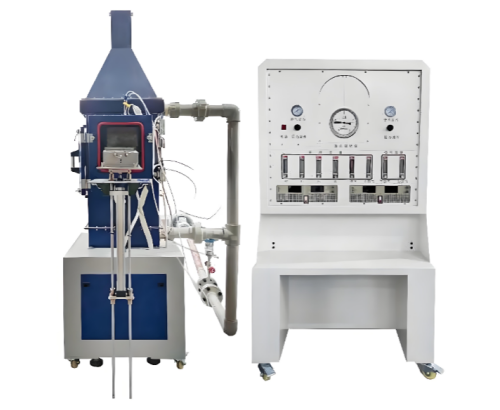
Catheter Power Injection Flow and Pressure Tester YY 0285.1


Main Uses
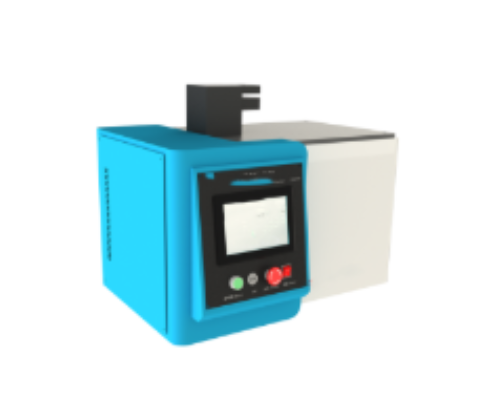
The catheter flow and pressure tester for power injection is an important medical device, mainly used to detect key parameters such as flow and pressure of medical catheters (especially micro - catheters) during power injection. These parameters are crucial for evaluating the safety, reliability, and therapeutic effects of catheters. The tester can simulate clinical usage scenarios, conduct pressure - resistance tests and flow measurements on catheters, ensuring that catheters will not rupture or leak under high - pressure injection, while maintaining the stability and accuracy of the flow.
Compliance Standards
YY 0285.1 - 2017 *Disposable Sterile Intravascular Catheters*, etc.
Technical Parameters
Test Pressure: Generally adjustable within 0 - 10MPa, with an error not exceeding ±2%. Some devices may have a smaller pressure range, such as 0 - 28MPa.
Test Flow: Generally 0 - 500ml, with an error not exceeding ±2%.
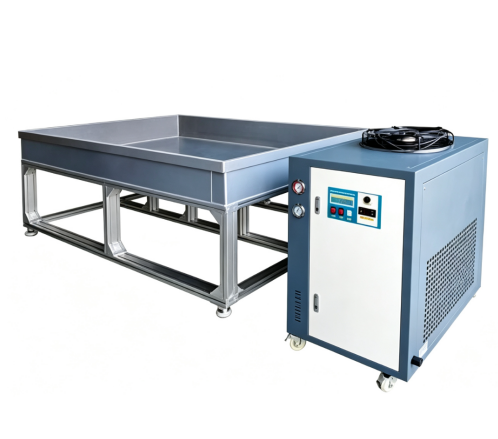
Water Bath Temperature**: Usually 37°C, with an error not exceeding ±1°C.
Data Storage: It can store multiple groups of test data, such as 200 groups or 500 groups, etc.
Accuracy: High - precision sensors and data acquisition systems ensure the accuracy of test results.
FAQ
1.What is a Catheter Power Injection Flow and Pressure Tester?
A Catheter Power Injection Flow and Pressure Tester is a specialized device used in medical settings to test catheters for their ability to handle high-pressure injections of contrast media. These testers ensure that catheters can maintain structural integrity while under pressure, which is crucial for procedures such as angiography and other imaging techniques.
2.How does the testing process work?
The testing process typically involves connecting the catheter to the flow and pressure tester, which is then calibrated to simulate the conditions of an actual injection. The device applies a predetermined pressure and measures both the flow rate and the ability of the catheter to handle the pressure without leaking or failing.
3.What are the common features of a catheter flow and pressure tester?
Common features of catheter flow and pressure testers include adjustable pressure settings, flow measurement capabilities, user-friendly interfaces, and safety alarms or indicators. Some testers are also equipped with data logging functions to record test results for quality assurance and compliance with medical standards.
4.Who should perform the testing of catheters?
Testing should be performed by trained medical professionals or technicians who have a comprehensive understanding of catheter specifications and testing protocols. This ensures that testing is conducted accurately and safely, complying with all relevant healthcare regulations.
5.How often should catheters be tested for flow and pressure?
The frequency of testing catheters depends on their usage and the protocols of the healthcare facility. Generally, it's recommended to test catheters before their first use, after any instance of mishandling, and periodically in high-use environments to ensure ongoing safety and efficacy.
6. Is the tester compatible with different catheter types and connectors?
Most systems are designed with adaptable fixtures to accommodate various catheter sizes and connector types, ensuring proper sealing and accurate test results.
7. What are the key parameters recorded during testing?
Key parameters include injection pressure, flow rate, time, and failure point (if applicable). These data are critical for product validation and regulatory documentation.
Leave Message Get Price