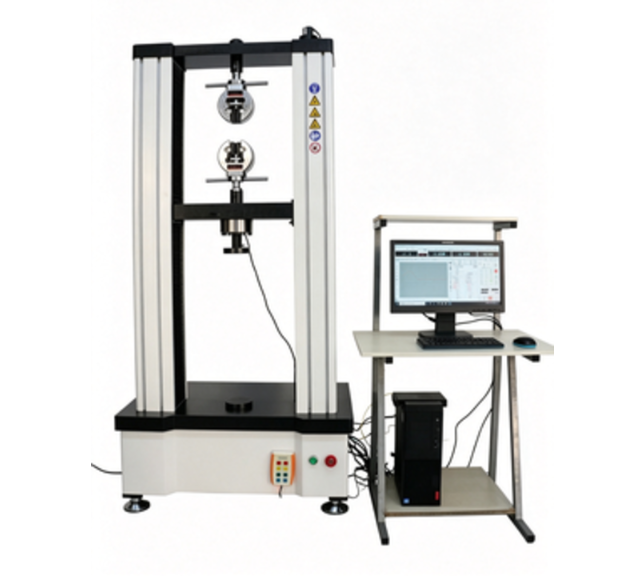
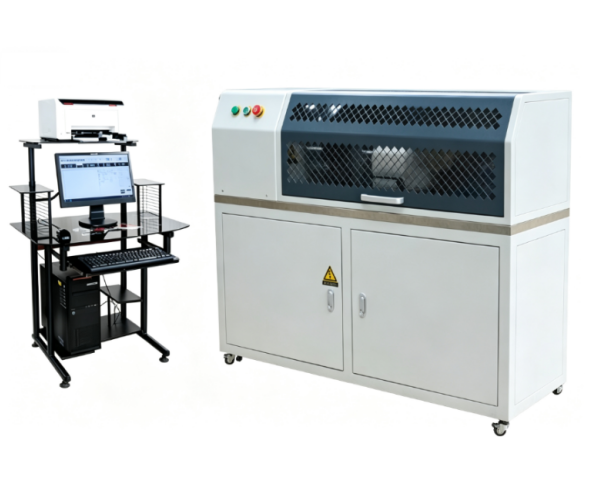
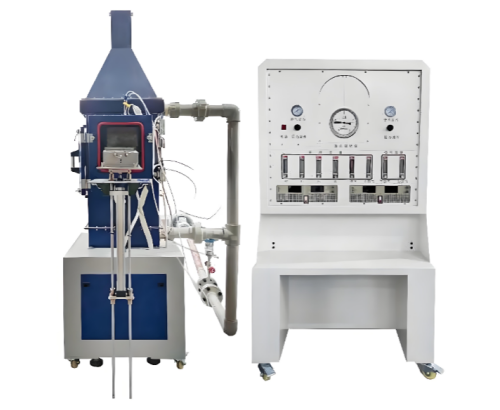
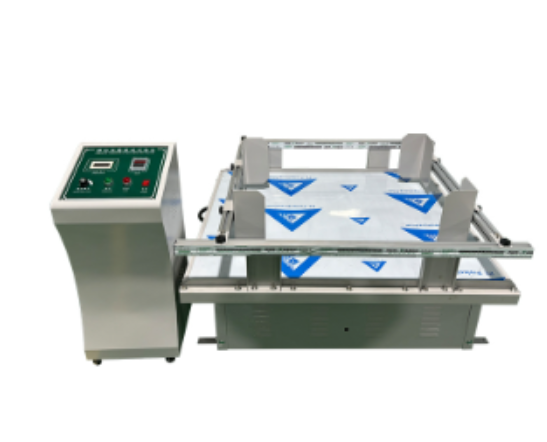
Safety Helmets Wearing Stability Tester EN 1384
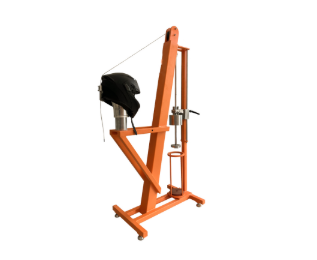


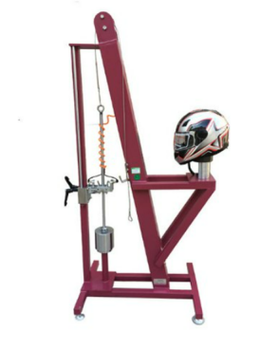
The Safety Helmets Wearing Stability Tester is a professional testing instrument designed to evaluate helmet wearing stability, retention performance, and movement resistance under simulated impact and loading conditions. The system applies controlled initial loads and impact forces to assess helmet displacement, retention capability, and wearing stability. It is suitable for helmet manufacturers, safety inspection laboratories, and research institutions requiring reliable stability performance evaluation.
Application
(1) Industrial safety helmets — testing wearing stability and retention performance for construction, manufacturing, and workplace protection helmets.
(2) Sports helmets — evaluating stability of helmets used in cycling, ice hockey, and other sports activities.
(3) Motorcycle helmets — assessing helmet retention behavior during sudden movement or impact conditions.
(4) Equestrian helmets — verifying helmet stability and wearing security.
(5) Helmet research and development — analyzing structure design, adjustment systems, and user comfort.
(6) Quality inspection laboratories — performing standardized stability and retention tests according to national and international requirements.
Standards
(1) GB 811-2022 — Safety Helmets
(2) GB 24429-2009 — Test Methods for Helmet Stability and Retention System Performance
(3) GB/T 2812 — Test Methods for Safety Helmets
(4) ISO 10256-2 — Head Protection for Ice Hockey — Helmet Stability Requirements
(5) EN 1384 — Helmets for Equestrian Use — Requirements and Test Methods
(6) EN 960 — Headforms for Use in the Testing of Protective Helmets
Technical Parameters
| Specification | Details |
|---|---|
| Impact Mass | 10.0±0.1kg |
| Initial Load | 3.0±0.1kg |
| Test Angles | 0–45° (adjustable in 1° increments) |
| Headform Sizes | XS (52cm) to XXL (64cm) |
| Data Sampling Rate | 1,000Hz (force), 500Hz (displacement) |
| Power Requirements | 220V/110V AC, 50/60Hz, 500W |
| Frame Dimensions | 1,200mm (L) x 800mm (W) x 2,000mm (H) |
| Weight | 150kg (net) / 180kg (with accessories) |
Features
Stability Testing
Loading System:
Electromagnetic actuator: Applies 3kg initial load and 10kg impact force.
Linear guide rails: Ensures vertical motion with <0.05mm deviation.
Headform Assembly:
Biofidelic headform: EN 960-compliant with skin-like polyurethane coating.
Adjustable neck brace: Simulates natural head movement during testing.
Safety System
Dual-release mechanism: Manual and emergency ejection for operator safety.
Overload protection: Halts tests if forces exceed 12kg (20% safety margin).
Data Acquisition
Force/Displacement Sensors:
Load cell: 10kg capacity, ±0.1kg accuracy.
Laser displacement sensor: 600mm range, 0.1mm resolution.
Software Suite:
Live data streaming: Plots stability metrics in real time.
Historical data review: Compares up to 10,000 tests.
Accessories
Headform Kit – EN 960 S/M/L sizes with polyurethane skin coating.
Calibration Set – NIST-traceable weights (5kg/10kg) and laser interferometer.
Retention System – Adjustable chin straps and occipital cradles.
Software License – Lifetime access to HelmetStability Pro (cloud-connected with API for integration with QMS systems).
Installation & Training – On-site setup by certified engineers + 16hrs virtual training for operators
FAQ
(1) What does a Safety Helmets Wearing Stability Tester evaluate?
It evaluates helmet retention and stability by measuring helmet movement under applied loads, helping determine whether the helmet remains securely positioned during use.
(2) Which helmets can be tested with this instrument?
The tester is suitable for industrial safety helmets, sports helmets, motorcycle helmets, and other protective headgear requiring stability performance evaluation.
(3) Why is helmet stability testing important?
A stable wearing position helps ensure that protective helmets maintain proper coverage during impacts or sudden movements, improving user protection.
(4) Which standards are used for helmet stability testing?
Common standards include GB 811, GB 24429, GB/T 2812, ISO 10256-2, and EN 1384, depending on helmet type and application.
(5) How to choose a suitable helmet stability tester?
Selection depends on helmet type, required standards, test load requirements, and laboratory needs. QINSUN engineers can provide suitable testing solutions according to your application. Contact us for professional support.
Leave Message Get Price