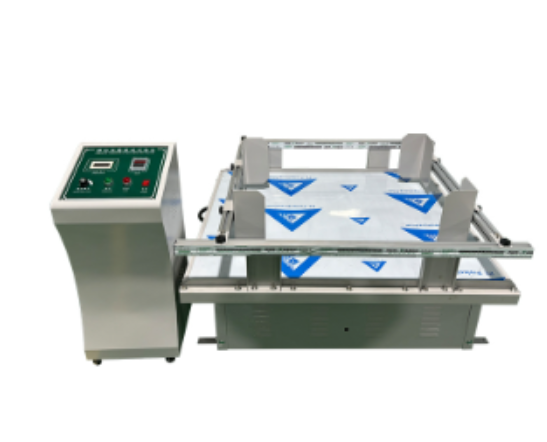
Carpet Static Load Tester
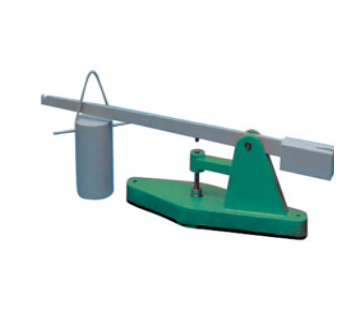


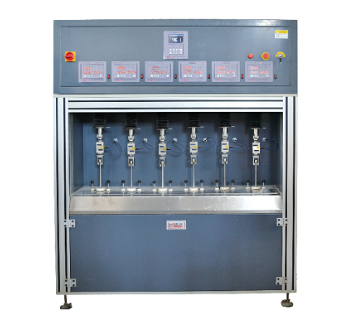
The Carpet Static Load Tester is designed to evaluate the thickness recovery performance and deformation resistance of textile carpets after long-term static compression. The instrument simulates permanent impressions caused by furniture legs or heavy objects placed on carpets and measures the recovery ability after a specified loading period. By applying a controlled static load to the carpet specimen, it helps manufacturers and laboratories assess carpet durability, structural stability, and compliance with relevant testing standards.
When furniture is moved, imprints are often left at the position of its feet. These imprints will disappear only when the carpet recovers to its original thickness. This instrument provides a convenient and reliable method to imitate such imprints and test the recovery of carpets after being compressed.
Compliance Standards
BS 4939: 1987(1996), ISO3416: 1986 Wools of New Zealand test method 124 Part B
Parameters
| Parameter | Specification |
|---|---|
| Loading Pressure | 7 kg/cm² |
| Loading Duration | 24 hours |
| Stressed Area | 6.0 cm² |
| Test Method | Static compression and thickness recovery evaluation |
| Compatible Measurement Device | WIRA digital thickness gauge |
| Applicable Materials | Textile carpets with different thicknesses and structures |
Features
- Simulate the imprints caused by furniture
- Meet international standard requirements
- Combine the static load tester with the thickness gauge, saving a lot of testing time
- Simple, compact and durable
Maintenance Information
(1) Clean the loading area regularly to prevent dust or fibers from affecting test accuracy.
(2) Check the loading components to ensure the applied pressure remains stable.
(3) Keep the contact surface clean and flat before each test.
(4) Verify thickness measurement equipment periodically according to laboratory calibration procedures.
(5) Store the instrument in a dry environment to prevent corrosion or damage.
(6) Maintain testing records and calibration information for traceable quality management.
FAQ
(1) What is the purpose of a Carpet Static Load Tester?
We use this tester to evaluate how carpets recover after being compressed by long-term static pressure. The instrument simulates impressions caused by furniture legs or heavy objects and measures the reduction in thickness after loading. It helps carpet manufacturers and laboratories assess material durability and appearance retention.
(2) What types of carpets can be tested with this equipment?
We design this tester for textile carpets with different thicknesses and structures, including wool carpets and synthetic carpets. It can be used to compare the compression recovery performance of different carpet materials, constructions, and manufacturing processes according to applicable testing requirements.
(3) Which standards are commonly used for carpet static load testing?
We apply this testing method according to standards including BS 4939, ISO 3416, and Wools of New Zealand Test Method 124 Part B. These standards specify methods for evaluating thickness reduction and recovery characteristics after prolonged heavy static loading.
(4) How does the Carpet Static Load Tester simulate furniture indentation?
We apply a specified pressure to the carpet specimen for a defined period, reproducing the compression effect caused by furniture or heavy objects during actual use. After removing the load, the remaining thickness change can be measured to evaluate the carpet recovery performance.
(5) How can customers choose suitable carpet testing equipment for their laboratory?
We recommend that customers confirm the carpet type, applicable standards, loading requirements, and measurement method before selecting equipment. Our QINSUN engineers can provide detailed technical parameters and professional guidance to help customers choose suitable testing solutions according to their laboratory requirements.
Leave Message Get Price