UV Lamp Aging Test Tester
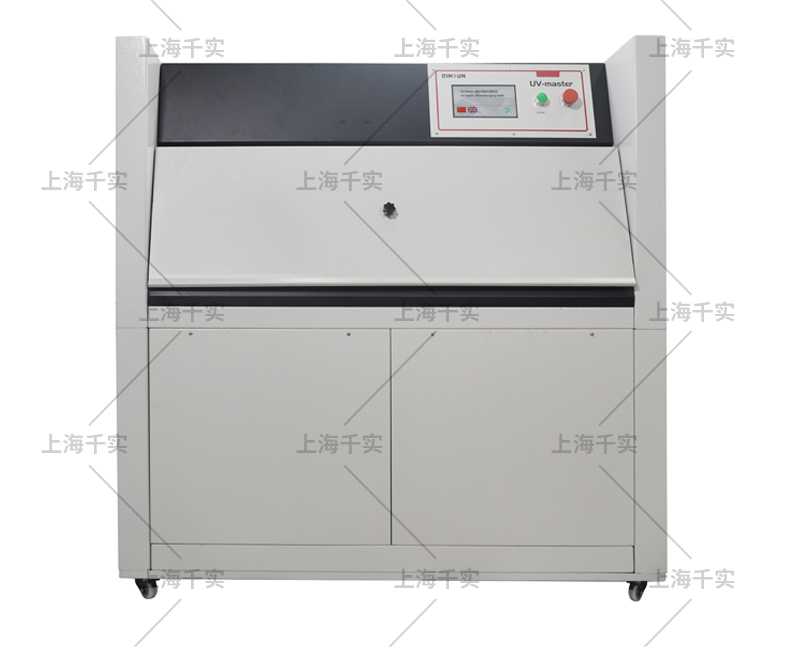


UV Lamp Aging Test Tester adopts fluorescent UV lamps combined with temperature and humidity control to simulate material aging under natural environmental conditions.
This product uses fluorescent UV lamps, combined with temperature and humidity device to simulate the material decline in color, brightness, strength and cracking, spalling, powder, oxidation damage via the high temperature sun light (UV), high humidity, condensation, dark cycle etc. At the same time, through the synergy between UV and moisture resistance ability of single or single material makes wet ability weakening or failure, which is widely used to evaluate the performance of weather resistant materials, equipment is to provide the best sunshine UV simulation.
Usage and maintenance are of low cost, easy to use. Equipment uses program controller can automatic control the test cycle, with high automatic high degree. In addition, it has stable light performance and high rate of repetition test results.
Application
The UV aging test chamber is suitable for all kinds of geo-synthetics, such as light resistance, weather resistance and light ageing
The exposure test of the sample was carried out in a fluorescent UV lamp vessel in a controlled environment. It can simulate and strengthen the environmental factors in the natural climate that are affected by light, heat, humidity, and rainfall as the main aging. It can simulate the accelerated test under long term exposure to obtain the results of the weather resistance of the material.
Ultraviolet tester Standard
JTG E50 T1164 The methods of geo-synthetics for highway engineering
GB/T 14522-93 Accelerated weathering test method for plastics, coatings and rubber materials used for machinery industrial products.
GB-T16422.3-1997 Plastics--Methods of exposure to laboratory light sources--Part 3: Fluorescent UV lamps
ISO4892-3:1994 Plastics - Methods of exposure to laboratory light sources - Part 3: Fluorescent UV lamps
Technical Parameters
| Item | Parameter |
|---|---|
| Light Temperature | RT +10℃ ~ 70℃ |
| Condensation Temperature | 50℃ |
| Temperature Uniformity | ±3℃ |
| Irradiation Intensity | 0.55 W/m² |
| Cycle Time | 0 ~ 9999h 59min (adjustable) |
| Light/Condensation Cycle | e.g. 4h/4h, 8h/8h |
| Lamp Distance (center) | 70 mm |
| Sample Distance from Lamp | 55 mm |
| UV Lamp Type | UVA-340 / UVB-313 (optional) |
| UV Wavelength | UVA: 315–400 nm / UVB: 280–315 nm |
FAQ
1. How does this tester correlate with real outdoor exposure?
The tester uses controlled UV radiation, temperature, and moisture cycles to accelerate degradation mechanisms found in natural environments. While it cannot fully replicate all outdoor variables, it provides highly reproducible comparative data, which is widely accepted for material screening, quality control, and R&D validation.
2. How should I choose between UVA-340 and UVB-313 lamps?
UVA-340: Best for simulating natural sunlight in the UV range (close to actual outdoor exposure). Recommended for coatings, plastics, and long-term durability studies.
UVB-313: Provides shorter wavelength and higher energy UV, resulting in faster degradation. Suitable for accelerated stress testing, but may introduce non-natural degradation effects.
Selection depends on whether you prioritize realism (UVA) or acceleration (UVB).
3. What factors most influence test results?
Key variables include:
UV irradiance level
Exposure/condensation cycle ratio
Temperature settings
Sample distance from the lamp
Material thickness and formulation
Consistent parameter control is critical to ensure repeatability and comparability across tests.
4. Can this equipment be used for different industry standards?
Yes. The programmable controller allows flexible configuration of exposure cycles and conditions, enabling compliance with standards such as ISO, GB/T, and other customized protocols used in plastics, coatings, and construction materials testing.
5. How often do UV lamps need to be replaced?
Lamp aging gradually reduces irradiance output. Typically:
Replacement is recommended after 500–800 hours of use (depending on usage intensity)
Regular irradiance calibration is advised to maintain test accuracy
Leave Message Get Price