

How to Choose a Suitable Drying Rate Tester?

The Drying Rate Tester Heated Plate Method is a laboratory instrument designed to evaluate the drying performance of textiles by measuring moisture evaporation under controlled temperature and airflow conditions. It simulates the heat and air environment experienced by fabrics during actual wear and provides data on drying time and drying rate.
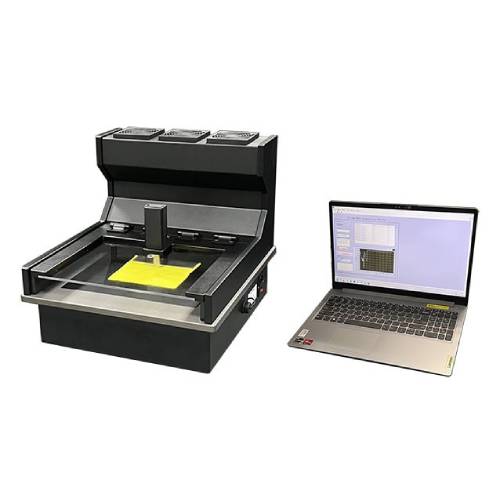
The instrument is mainly used for functional textiles such as quick-dry fabrics, moisture-wicking materials, sportswear, and outdoor clothing. The test method follows AATCC 201-2013 Fabric Drying Rate: Hot Plate Method and FZ/T 01176-2024 Textiles — Determination of Fabric Drying Rate — Hot Plate Method, providing a standardized approach for textile performance evaluation.
1. What Is a Drying Rate Tester?
The Drying Rate Tester Heated Plate Method is a specialized textile testing instrument used to determine how quickly a fabric can remove moisture through evaporation.
Drying performance is an important property for functional textiles because fabrics used in sports, outdoor activities, and daily wear are often exposed to sweat and moisture. A fabric with good drying performance can help reduce the uncomfortable feeling caused by wet clothing.
Unlike simple drying tests that only measure weight loss over time, the heated plate method evaluates drying behavior under controlled thermal and airflow conditions. It provides a more practical simulation of fabric drying during human wear.
The instrument is mainly applied to:
Moisture-wicking fabrics
Quick-dry textiles
Sportswear materials
Outdoor clothing fabrics
Synthetic and blended textile materials
The main applicable standards include:
AATCC 201-2013 — Fabric Drying Rate: Hot Plate Method
FZ/T 01176-2024 — Textiles — Determination of Fabric Drying Rate — Hot Plate Method
2. Why Is Fabric Drying Rate Testing Important?
With the development of functional textiles, consumers increasingly expect clothing to provide better comfort during exercise and outdoor activities.
When the human body produces sweat, a garment needs to perform several functions:
Absorb moisture from the skin
Transport moisture through the fabric structure
Release moisture into the surrounding environment
If moisture remains trapped inside the fabric, it may create:
A wet and uncomfortable feeling
Reduced thermal comfort
Longer drying time after sweating
For textile manufacturers, drying rate testing helps answer important questions:
Does the fabric actually provide quick-dry performance?
Which material structure offers better moisture evaporation?
How does a finishing treatment affect drying behavior?
By using standardized testing, companies can evaluate product performance with measurable data instead of relying only on marketing descriptions.
3. What Is the Working Principle of the Hot Plate Method?
The Hot Plate Method evaluates fabric drying behavior by simulating the evaporation process under controlled heating and airflow conditions.
During testing, the fabric specimen is placed on a temperature-controlled heating plate. The heating plate provides thermal energy similar to the heat transferred from human skin.
A controlled airflow passes over the fabric surface, influencing the evaporation process.
The testing procedure generally includes:
Preparing and conditioning the fabric specimen
Applying a controlled amount of moisture to the sample
Placing the specimen on the heated plate
Maintaining a controlled temperature and airflow environment
Monitoring the drying process through infrared temperature measurement
Recording drying curves and calculating drying performance
The instrument uses infrared temperature sensors to monitor surface temperature changes during evaporation. As moisture evaporates, the temperature behavior of the fabric changes, allowing the system to determine drying characteristics.
4. How Does the Heated Plate Method Simulate Real Wearing Conditions?
During actual wear, fabric drying is affected by several environmental factors:
Body temperature
Sweat moisture
Air movement
Fabric structure
The Hot Plate Method reproduces key conditions by combining:
Controlled Heating
The heating plate temperature is typically maintained at 37 ±0.5°C, which is close to human skin temperature.
Controlled Airflow
The airflow system creates a controlled environment to evaluate how quickly moisture can leave the fabric surface.
Real-Time Monitoring
Infrared sensors continuously monitor temperature changes instead of only measuring final moisture loss.
This makes the method suitable for evaluating performance fabrics designed for comfort and moisture management.
5. What Problems Can a Fabric Drying Rate Tester Solve?
The Drying Rate Tester helps solve several challenges in textile development and quality control.
Verifying Quick-Dry Claims
Many textile products are marketed as “quick-dry” or “moisture-wicking.” Testing provides objective evidence of whether the fabric meets performance expectations.
Supporting Fabric Development
Manufacturers can compare different materials and structures, including:
Fiber types
Yarn combinations
Fabric thickness
Surface treatments
This helps engineers optimize textile design.
Improving Product Consistency
For mass production, fabric performance may vary due to raw materials or processing conditions. Drying rate testing helps monitor consistency between batches.
Reducing Product Performance Risks
For sportswear and outdoor clothing, poor drying performance may affect user comfort. Laboratory testing allows problems to be identified before products reach the market.
6. What Types of Textiles Can Be Tested?
The Hot Plate Method is widely used for functional and performance textiles.
Sportswear Fabrics
Examples include:
Running apparel
Training clothing
Fitness garments
These products require effective moisture management because users often generate sweat during activities.
Outdoor Textiles
Outdoor garments may experience changing weather conditions. Faster drying performance can improve comfort during long-term use.
Functional Fabrics
The tester is suitable for:
Moisture-wicking fabrics
Quick-dry fabrics
Performance textile materials
Synthetic and Blended Fabrics
Common materials include:
Polyester fabrics
Polyester blends
Other engineered textile structures
7. How Is Fabric Drying Rate Measured?
The drying performance evaluation focuses on the evaporation behavior of moisture from the fabric.
Important indicators include:
Drying Time
The time required for the fabric surface to complete the drying process under specified test conditions.
Drying Rate
The speed at which moisture evaporates from the fabric.
The Drying Rate Tester records:
Temperature changes
Drying curves
Test data
The system can automatically generate test reports, allowing researchers and manufacturers to analyze fabric performance more efficiently.
8. What Factors Affect Fabric Drying Performance?
Fabric drying ability is influenced by multiple factors.
Fiber Characteristics
Different fibers have different moisture behaviors.
Factors include:
Fiber absorption ability
Surface structure
Moisture transport capability
Fabric Construction
Fabric properties such as:
Thickness
Density
Porosity
Knitting or weaving structure
can significantly affect evaporation.
Finishing Technology
Functional finishes may improve moisture transport or surface evaporation behavior.
Environmental Conditions
Testing accuracy depends on controlling:
Temperature
Air velocity
Moisture conditions
Therefore, standardized test conditions are essential for reliable comparison.
9. How to Choose a Suitable Drying Rate Tester?
When selecting a heated plate drying rate tester, users should focus on testing reliability and standard compliance.
Important considerations include:
Compliance with Standards
The equipment should meet required methods:
AATCC 201
FZ/T 01176-2024
Temperature Control Accuracy
Stable heating performance is important because fabric drying behavior is highly affected by temperature.
The instrument should provide:
Accurate heating plate temperature control
Overheat protection
Airflow Control
A suitable tester should provide controlled airflow conditions, including:
Adjustable air velocity
Stable airflow generation
Data Analysis Functions
Useful functions include:
Real-time curves
Automatic data storage
USB data transmission
Report generation
10. What Are the Advantages of the Heated Plate Method?
Compared with simple drying tests, the heated plate method provides several advantages.
Simulation of Human Conditions
The method considers:
Heat transfer
Air movement
Moisture evaporation
which better represents practical wearing environments.
Dynamic Measurement
The system records the entire drying process rather than only the final result.
Suitable for Functional Textiles
It is especially valuable for evaluating modern fabrics designed for:
Sports performance
Outdoor comfort
Moisture management
11. Application of Drying Rate Tester in Textile Quality Control
The Drying Rate Tester Heated Plate Method is used by various organizations.
Textile Manufacturers
Applications include:
New fabric development
Material comparison
Production control
Apparel Brands
Brands use testing data to:
Verify functional claims
Improve product design
Establish quality requirements
Testing Laboratories
Third-party laboratories use standardized methods to provide reliable textile performance evaluations.
A typical workflow includes:
Fabric development
Drying performance testing
Data analysis
Process optimization
Production verification
Conclusion
The Drying Rate Tester Heated Plate Method provides a standardized approach for evaluating how efficiently textiles release moisture under controlled conditions.
With the increasing demand for functional clothing, drying performance has become an important quality indicator for sportswear, outdoor apparel, and moisture-management fabrics.
By following recognized standards such as AATCC 201 and FZ/T 01176-2024, manufacturers can obtain reliable performance data, optimize fabric design, and ensure that quick-dry claims are supported by scientific testing.
For textile companies, brands, and testing laboratories, accurate drying rate evaluation is an important step toward developing more comfortable, durable, and high-performance textile products.
2026-07-20 17:38
- Related News
How to Choose a Suitable Drying Rate Tester?
What Is a Fabric ICI Pilling and Snagging Box?
How to Choose an ICI Mace Snag Tester?
What a Fiber Oil Extractor Actually Does?
Snap Button Pull Tester: Garment Accessory Tensile Strength Testing Guide
Guide to Block-on-Ring Friction Wear Equipment
How to Choose Universal Multifunction Tribology Test Machine
How to Choose an Air-Cooled Xenon Lamp Aging Chamber
What Does an Ozone Aging Chamber Test? Standards and Operating Methods
Fabric Cool Feeling Tester: Working Principle, Standards and Selection Guide