

What Is a Fabric ICI Pilling and Snagging Box?

The Fabric ICI Pilling and Snagging Box is a laboratory testing instrument used to evaluate the tendency of textile fabrics to form pills, fuzz, and surface defects during normal use. It simulates fabric wear through controlled rolling and friction under non-pressure conditions.
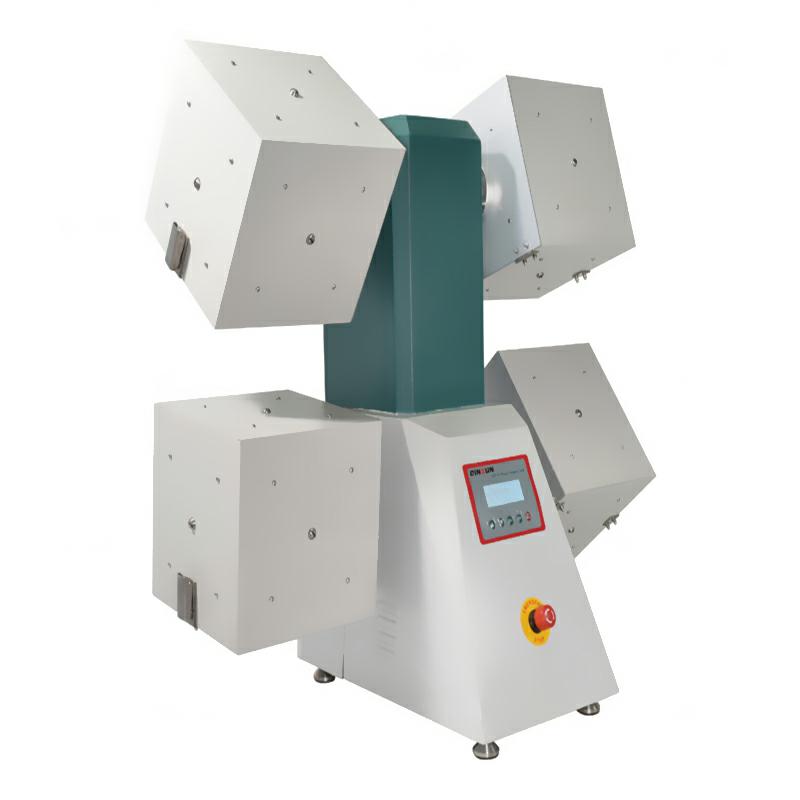
The tester is widely used for knitted fabrics, loosely woven fabrics, wool fabrics, blended fabrics, and synthetic textiles. By following standards such as ISO 12945-1:2021, GB/T 4802.3, BS 5811, and JIS L1076, it provides a standardized method for comparing fabric appearance durability.
1. What Is a Fabric ICI Pilling and Snagging Box?
The Fabric ICI Pilling and Snagging Box is a textile testing instrument designed to evaluate fabric resistance to pilling and fuzzing using the ICI Box Method.
Pilling occurs when loose fibers appear on the fabric surface, become entangled, and form small balls during repeated friction. Although pilling does not usually affect the basic strength of a fabric, it significantly influences appearance quality and consumer satisfaction.
The ICI method evaluates how fabrics behave under repeated low-pressure rolling movement. Unlike abrasion tests that apply a fixed pressure between surfaces, the ICI Box Method focuses on random movement and fabric-to-fabric interaction, which is closer to many real wearing conditions.
The instrument is mainly applied to:
Knitted fabrics
Loosely woven fabrics
Wool textiles
Synthetic fiber fabrics
Blended textile materials
The commonly referenced standards include:
ISO 12945-1:2021 — Textiles — Determination of pilling and fuzzing (ICI method)
BS 5811:1979+A1:1991 — British Standard for Pilling of Textiles
GB/T 4802.3-2008 — Textiles — Determination of Fabric Pilling
JIS L1076:2019 — Test Methods for Pilling of Textiles
2. Why Is Fabric Pilling Testing Important?
Fabric appearance is one of the most important quality factors in textile products. Even when a fabric maintains good strength, excessive pilling can make garments look worn and reduce their market value.
Pilling is influenced by multiple factors, including:
Fiber type
Fiber length
Yarn twist
Fabric structure
Finishing process
For example, some synthetic fibers have higher strength, allowing formed pills to remain attached to the surface longer. Wool and blended fabrics may also show different pilling behaviors depending on fiber characteristics and fabric construction.
Without standardized testing, manufacturers may only discover pilling problems after products reach consumers. The ICI pilling test helps companies evaluate material performance before production.
It is commonly used to:
Compare different fabric constructions
Select suitable raw materials
Verify production consistency
Reduce customer complaints
Support quality approval processes
3. What Is the Working Principle of the ICI Pilling Box Method?
The working principle of the ICI Pilling Box Method is based on controlled rolling movement and low-pressure friction.
During testing, fabric specimens are mounted onto standard polyurethane sample tubes. These tubes are placed inside a rotating box lined with cork material.
When the box rotates, the tubes randomly roll and tumble inside the chamber. The fabric surface repeatedly contacts the cork lining and other sample surfaces, creating friction similar to normal wear.
During this process:
Loose fibers gradually appear on the fabric surface
Fibers become tangled due to repeated movement
Small fiber balls are formed
The final pilling condition is evaluated after the required test cycles
The test does not apply heavy external pressure. Instead, it reproduces gradual surface changes caused by everyday use.
4. How Does the ICI Box Test Simulate Real Fabric Wear?
In daily applications, textile products experience continuous low-level mechanical actions, including:
Movement of the body during wearing
Contact between different fabric surfaces
Repeated washing and handling
These actions gradually affect the fabric surface.
The ICI Box Method accelerates these natural processes through:
Random tumbling movement
Repeated contact points
Controlled friction conditions
This helps reproduce the formation process of:
Fiber fuzz
Surface hairiness
Fiber entanglement
Pills
Because the movement is random rather than directional, the test provides a more realistic evaluation of general fabric appearance durability.
5. What Problems Can the ICI Pilling and Snagging Tester Solve?
The ICI Pilling and Snagging Tester helps textile companies identify and solve several common quality problems.
Evaluating Material Selection
Different fibers and yarn structures may produce significantly different pilling results. Testing allows engineers to compare materials before large-scale production.
For example, manufacturers can evaluate:
Different fiber blends
Different yarn twists
Different fabric constructions
Improving Production Processes
If a fabric shows poor pilling resistance, manufacturers can investigate possible causes, such as:
Unsuitable fiber combinations
Loose fabric structures
Improper finishing treatments
Reducing Quality Risks
For apparel brands and suppliers, unexpected pilling can lead to:
Customer complaints
Product returns
Brand reputation issues
Laboratory testing provides early warning before products enter the market.
6. What Types of Fabrics Can Be Tested?
The ICI Pilling Box Method is suitable for many textile materials, especially fabrics that are prone to surface changes.
Knitted Fabrics
Common examples include:
T-shirt fabrics
Sweater materials
Sportswear textiles
Knitted fabrics often require pilling evaluation because their loop structure allows fibers to move more easily.
Woven Fabrics
The method can also be applied to:
Wool fabrics
Blended fabrics
Synthetic woven textiles
Synthetic and Blended Fabrics
Materials such as polyester blends and acrylic fabrics may require careful pilling evaluation because fiber strength affects how pills develop and remain attached.
7. How Are ICI Pilling Test Results Evaluated?
After completing the specified number of cycles, the tested specimens are removed and evaluated.
The evaluation is usually performed by comparing the tested fabric with standard photographic references.
The rating considers:
Amount of fuzz formation
Number of pills
Size and density of pills
Overall appearance change
A higher rating indicates better resistance to pilling, while a lower rating indicates more severe surface deterioration.
Because pilling evaluation involves visual judgment, consistent evaluation conditions are important. Laboratories usually control:
Lighting environment
Viewing angle
Distance between observer and sample
Operator training
8. What Factors Affect ICI Pilling Test Accuracy?
Although the ICI method is standardized, several factors may influence the test results.
Fabric Properties
Important factors include:
Fiber composition
Yarn structure
Fabric density
Surface treatment
Test Conditions
The following parameters should be controlled:
Rotation speed
Test duration
Number of cycles
Sample preparation
The Fabric ICI Pilling and Snagging Tester supports adjustable speed control, with typical testing speeds around 60 rpm according to standard requirements.
Equipment Condition
The condition of key components, such as polyurethane sample tubes and cork lining, can influence friction behavior and should be maintained properly.
9. How to Choose a Suitable ICI Pilling and Snagging Tester?
When selecting an ICI pilling tester, users should consider practical testing requirements rather than only equipment specifications.
Important factors include:
Standard Compliance
The instrument should support required standards, including:
ISO 12945-1
GB/T 4802.3
BS 5811
JIS L1076
Testing Capacity
Different configurations are available:
2-box models
4-box models
6-box models
The selection depends on laboratory workload and testing frequency.
Control System
Modern instruments may include:
Touch screen operation
Adjustable speed settings
Automatic cycle counting
Programmable reversing function
These features improve testing efficiency and reduce operator errors.
10. What Is the Difference Between ICI Box Method and Other Pilling Tests?
Different pilling test methods simulate different types of fabric use.
ICI Box Method
Main characteristics:
Low-pressure rolling friction
Random movement
Suitable for knitted and loosely woven fabrics
Martindale Pilling Test
Main characteristics:
Controlled pressure abrasion
Repeated circular rubbing
Commonly used for broader fabric durability evaluation
Random Tumble Pilling Test
Main characteristics:
Tumbling and impact movement
Suitable for specific textile applications
The correct method depends on the fabric type, customer requirements, and applicable standards.
11. Application of ICI Pilling and Snagging Tester in Textile Quality Control
The Fabric ICI Pilling and Snagging Tester is widely used throughout the textile supply chain.
Typical users include:
Textile manufacturers
Garment companies
Brand quality departments
Research laboratories
Third-party testing organizations
A common application process includes:
Material selection during product development
Comparative testing of different fabrics
Process adjustment and optimization
Final quality verification before production
By integrating pilling testing into quality control systems, companies can improve product consistency and reduce unexpected performance problems.
12. Why Is ICI Pilling Testing Important for Textile Quality Control?
The Fabric ICI Pilling and Snagging Box provides a standardized and practical solution for evaluating fabric surface durability. Through controlled rolling friction, it helps simulate the gradual appearance changes that occur during normal use.
Although pilling performance depends on many factors, including fiber properties, yarn structure, and finishing processes, standardized testing provides reliable data for material selection and quality management.
For textile manufacturers, apparel brands, and testing laboratories, the ICI Pilling Test Method is an important tool for improving product reliability, controlling quality risks, and delivering fabrics with better long-term appearance performance.
2026-07-20 17:29
- Related News
How to Choose a Suitable Drying Rate Tester?
What Is a Fabric ICI Pilling and Snagging Box?
How to Choose an ICI Mace Snag Tester?
What a Fiber Oil Extractor Actually Does?
Snap Button Pull Tester: Garment Accessory Tensile Strength Testing Guide
Guide to Block-on-Ring Friction Wear Equipment
How to Choose Universal Multifunction Tribology Test Machine
How to Choose an Air-Cooled Xenon Lamp Aging Chamber
What Does an Ozone Aging Chamber Test? Standards and Operating Methods
Fabric Cool Feeling Tester: Working Principle, Standards and Selection Guide