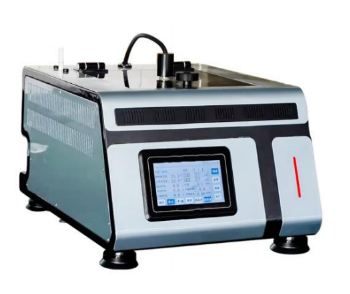
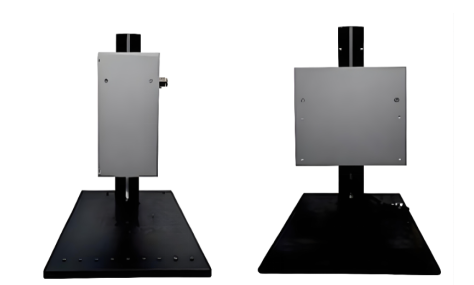
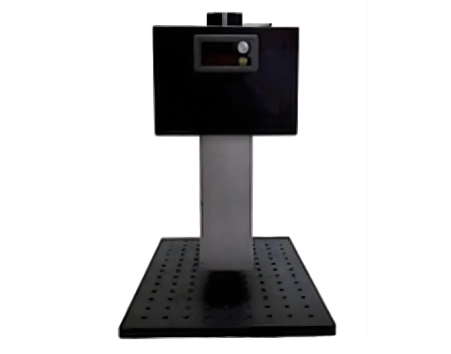
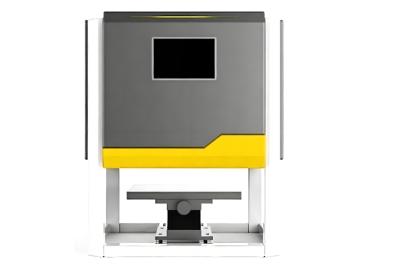
Fabric Style Tester G669
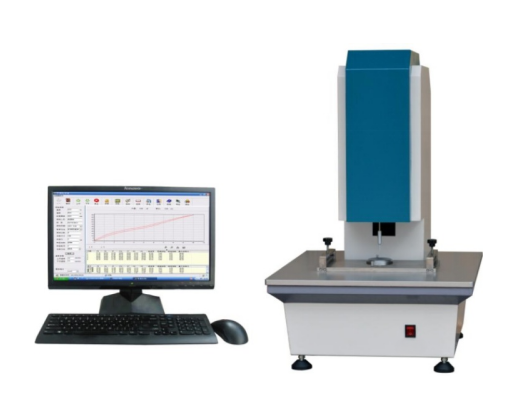


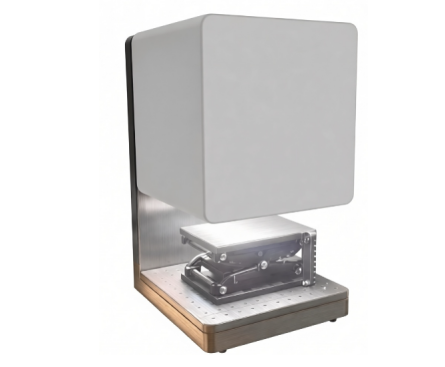
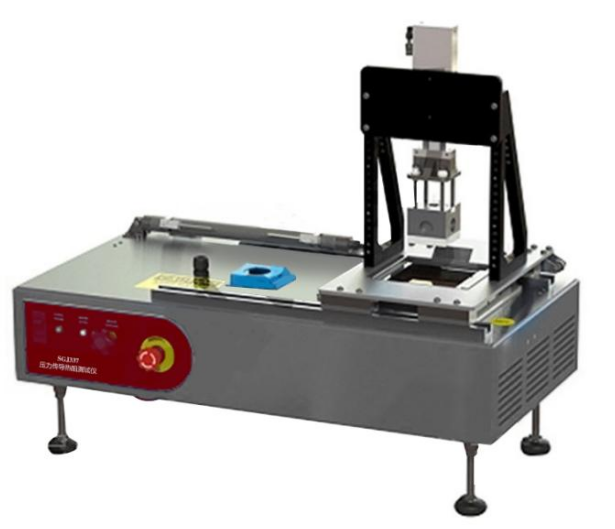
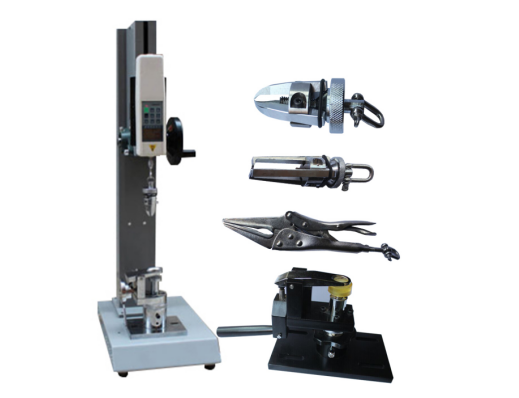
The Fabric Style Tester is a new-generation instrument for measuring fabric style and handle. Fabric style testing is based on the mechanical properties and behavioral characteristics of fabrics during hand evaluation and wear. It applies the principles of multiple mechanical parameters to determine various fabric style indicators. Using force and displacement as two physical quantities, the instrument scientifically measures the mechanical properties of fabrics. The measured data are then analyzed by the instrument's computer-based evaluation software to assess and characterize various fabric style parameters, achieving the digitization of fabric style measurement. Through data analysis, the instrument objectively reflects the quality of textile products and helps predict the wearing and usage performance, comfort, reliability, durability, and visual and tactile effects of high-end garments. It also provides scientific data for the material design and fabric selection of high-end textiles.
The physical properties of fabrics, including compression performance, hand feel, bending properties, interlacing resistance, surface friction properties, and buckling deformation, are closely related to garment formability, visual appearance, wearing comfort, shape retention, as well as yarn/fabric structure and the physical characteristics and parameters of fibers. Therefore, measuring the compression performance of fabrics is of great significance to yarn and fabric production, process formulation, process adjustment, production efficiency, and market value. Appropriate simulated testing methods are used to objectively evaluate the style characteristics of fabrics.
Application
Fabric style testing is mainly used to determine various fabric-related parameters, including bending properties (such as pliability, bending rigidity, and bending stress relaxation), friction properties (such as the smoothness, roughness, and slipperiness of the fabric surface), compression properties (such as thickness, compression resilience, bulkiness, apparent specific gravity, and fullness), buckling deformation, interlacing resistance, flatness, and weight per square meter. It can also be used to compare various parameters of woven products before and after dyeing and finishing, thereby verifying whether the dyeing and finishing processes are appropriate and helping to control and improve product quality.
Applicable Standards:
FJ552.1–7, FZ/T 01054.1–6, FZ/T 01145-7
Test Principles and Parameters:
No. | Test Principle | Evaluation | Parameters |
2.1 | Bending Property Test | Evaluates the flexibility and stiffness/softness of textile products. | Flexibility Rate; Bending Rigidity; Bending Rigidity Index; Maximum Bending Force; CV Value |
2.2 | Friction Property Test | Evaluates the smoothness, roughness, and uniform hand feel of the surface of textile products. | Static Coefficient of Friction; Dynamic Coefficient of Friction; Coefficient of Variation of the Dynamic Coefficient of Friction; CV Value |
2.3 | Compression Property Test | Evaluates the thickness, bulkiness, and compression recovery properties of textile products. | Apparent Thickness; Stable Thickness; Compression Rate; Compression Elasticity Rate; Specific Compression Elasticity Rate; Bulkiness; Apparent Density; CV Value |
2.4 | Bending Deformation Test | Evaluates the residual deformation of garments at the knees and elbows during wear. | Residual Bending Deformation Rate; CV Value |
2.5 | Inter-Yarn Resistance Test | Evaluates the degree of flexibility and compactness of fabrics and predicts the likelihood of fabric slippage or yarn separation during wear. | Inter-Yarn Resistance; CV Value |
2.6 | Smoothness Test | Evaluates the uniformity of fabric thickness. | Smoothness; CV Value |
3.Main Technical Data and Specifications:
No. | Item | Technical Specification |
3.1 | Force Measurement Specifications | |
3.1.1 | Force Measurement Range | 0–200 cN |
3.1.2 | Resolution | 0.1 cN |
3.1.3 | Nonlinearity Error | ≤0.5% |
3.1.4 | Repeatability Error | ≤0.25% |
3.1.5 | Stability Error | ≤0.1 cN/min; ≤0.5 cN/h |
3.2 | Displacement Specifications | |
3.2.1 | Displacement Range | 0–100 mm |
3.2.2 | Resolution | Digital: 0.01 mm Analog: 0.001 mm |
3.2.3 | Displacement Accuracy | 0–3 mm: ±0.01 mm(Calibration starts at 2 mm during verification) 3–100 mm: ±0.05 mm |
3.2.4 | Repeatability Error | ±0.01 mm |
3.2.5 | Stability Error | ±0.05 mm |
3.3 | Power Supply | AC 220 V ±10%, 50 Hz |
3.4 | Overall Dimensions | 610 mm × 350 mm × 620 mm |
3.5 | Weight | 35 kg |
Features
(1) Multi-Property Evaluation – Covers bending, friction, compression, bending deformation, inter-yarn resistance and smoothness testing.
(2) Objective Measurement – Converts fabric style and handle characteristics into measurable mechanical data.
(3) Computer-Based Analysis – Test data can be analyzed through dedicated evaluation software.
(4) Process Comparison – Supports comparison of fabric properties before and after dyeing and finishing.
(5) Multiple Fabric Characteristics – Provides objective evaluation of properties related to appearance, comfort, shape retention and fabric structure.
Leave Message Get Price