Temperature Gradient Chamber 1000 L
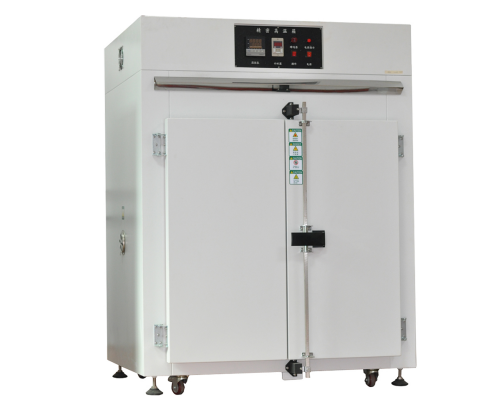


The Temperature Gradient Chamber is a high-precision environmental testing device designed for aging and performance evaluation under controlled temperature conditions. It provides uniform, stable heating and precise temperature gradients, enabling quality assessment of electronic instruments, materials, electrical devices, vehicles, metals, and electronic components. The equipment is strictly prohibited for flammable, explosive, volatile, corrosive, biological, or strong electromagnetic samples.
Application
Aging and environmental testing of electronic devices, instruments, and components
Performance evaluation of metals, materials, and vehicles under temperature gradients
Research and development in laboratories for reliability and quality assurance
Temperature-controlled quality management in production and testing environments
Standards
GB/T 11158-2008 — Technical conditions for high-temperature test chambers
GB/T 2423.2-2001 — Environmental testing of electrical and electronic products, Test B: High temperature
GB/T 2423.2-2008 — Environmental testing of electrical and electronic products, Part 2: Test methods, Test B: High temperature
Electrical and electronic product environmental test device verification standards
Parameters
| Item | Specification |
|---|---|
| Model | G-1002 |
| Nominal Volume | 1000 L |
| Inner Chamber Size (W×H×D) | 100 × 100 × 100 cm |
| Outer Chamber Size (W×H×D) | 145 × 178 × 120 cm |
| Temperature Range | RT +15℃ → 250℃ |
| Temperature Deviation | ±2℃ |
| Temperature Uniformity | ±1℃ (100℃), ±2℃ (200℃) |
| Temperature Fluctuation | ±0.5℃ |
| Temperature Resolution | ±0.1℃ |
| Heating Rate | RT +10℃ → 200℃, ≥3℃/min |
| Heating Power | 9.5 kW |
| Power Supply | AC 380V ±10%, 50Hz ±0.5%, TN-S or TT system, protective grounding |
| Control Method | PID micro-integral with SSR module |
| Display | Touchscreen LED PID controller |
| Timer | Seconds, minutes, 10 min, hours, 10 hours; max 9999 × 10h |
| Sample Rack | Stainless steel, 2 layers, 10 kg/layer |
| Air Circulation | Internal recirculation, adjustable rear baffle |
| Temperature Sensor | PT-100 thermocouple |
| Nitrogen Control | Pressure regulator + flow meter, adjustable |
| Safety Features | Over-temperature protection, extreme temperature protection, overload & short circuit protection |
| Operating Environment | Temperature 0–35℃, RH ≤85% |
| Storage Environment | Temperature 0–45℃ |
| Installation Clearance | Left/Right/Back ≥800 mm; Front ≥1000 mm |
Features
Uniform and stable internal heating with precise temperature gradient control.
Touchscreen LED PID controller for intuitive operation and precise temperature management.
Adjustable rear baffles for strong internal air circulation and uniform temperature distribution.
PT-100 thermocouple with ±0.1℃ resolution for accurate monitoring.
Programmable temperature profiles with flexible multi-segment timers.
Built-in safety: over-temperature, extreme temperature, alarm, and power failure protection.
High-quality stainless steel inner chamber with 60 mm glass fiber insulation for energy efficiency.
Optional nitrogen control system for inert atmosphere testing.
Two stainless steel sample racks, each supporting 10 kg.
Mobile foot wheels with positioning pads for easy installation and relocation.
Main Configuration
LED touchscreen PID temperature controller
Cold-rolled steel outer chamber, painted
Stainless steel welded inner chamber
Power circuit breaker and AC contactor
Solid-state relay (SSR)
9 kW heating element
550 W circulation fan with adjustable rear baffle
Stainless steel sample racks (2 layers)
Glass fiber insulation, 60 mm thick
PT-100 temperature sensor
Alarm and phase loss protector
Thermal overload relay
Lighted lock switch
Test Procedures
Install the chamber in the designated area with proper clearance.
Place samples on stainless steel racks, ensuring weight does not exceed 10 kg/layer.
Set desired temperature profile and timer via touchscreen PID controller.
Start test; chamber heats and circulates air to maintain uniform temperature.
Monitor temperature with PT-100 thermocouples and adjust nitrogen flow if required.
Upon test completion, remove samples and record observations.
Maintenance Information
Regularly clean the inner chamber and racks.
Check sensors and control units for accuracy.
Inspect electrical components and safety devices periodically.
Ensure airflow is unobstructed to maintain temperature uniformity.
Maintain proper ventilation and operating environment conditions.
FAQ
1.What is this product?
A laboratory-grade temperature gradient chamber for aging and environmental testing.
2.What is this product used for?
It tests performance and stability of electronic instruments, materials, metals, and components under controlled temperature gradients.
3.Why is this product important?
Ensures reliable evaluation of product durability, performance, and compliance with international standards.
4.What industries is this product suitable for?
Electronics, automotive, materials science, electrical components manufacturing, and research laboratories.
5.What types of this product are available?
Chambers with various volumes, temperature ranges, programmable profiles, and optional nitrogen control systems for inert atmosphere testing.
6.What is the difference between a Temperature Gradient Chamber and a standard temperature chamber?
A standard temperature chamber maintains a uniform temperature throughout the test area, while a Temperature Gradient Chamber creates multiple temperature zones. This allows engineers to study thermal stress and performance changes caused by temperature differences.
7.Which standards are commonly used for temperature gradient testing?
Common references include IEC 60068-2-14 for temperature change testing, IEC 60068-2-1/2 for cold and dry heat tests, and ISO 16750-4 for automotive environmental testing requirements.
8.How do we select a suitable Temperature Gradient Chamber?
Selection should consider temperature range, gradient control accuracy, test sample size, number of temperature zones, application standards, and required data recording functions to ensure the chamber meets specific testing requirements.
Leave Message Get Price