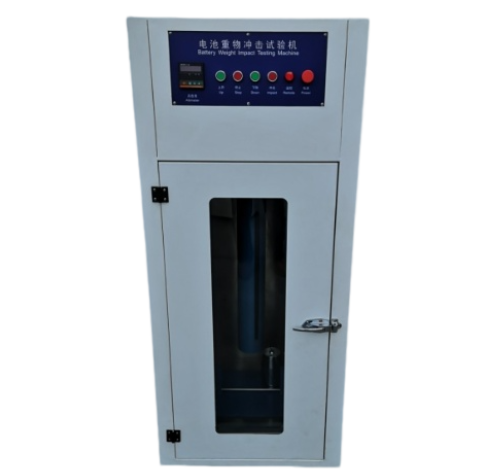
Automobile Seat Belt Fixed Point Test Bench
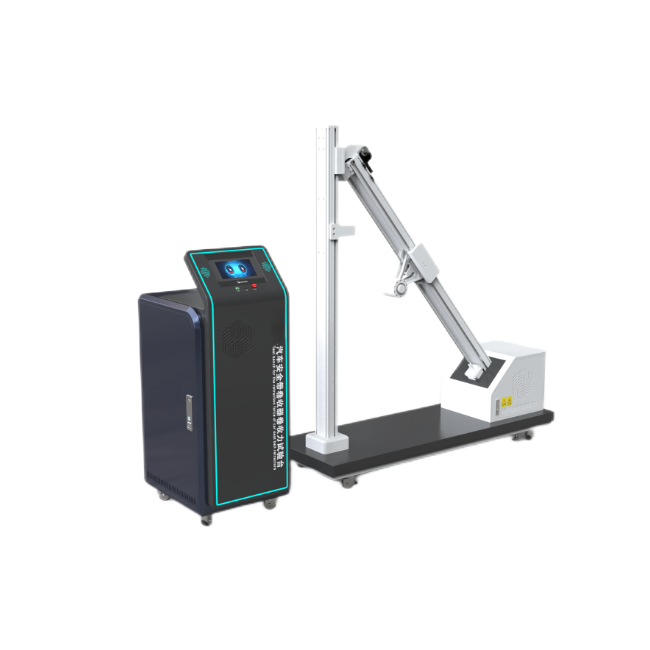


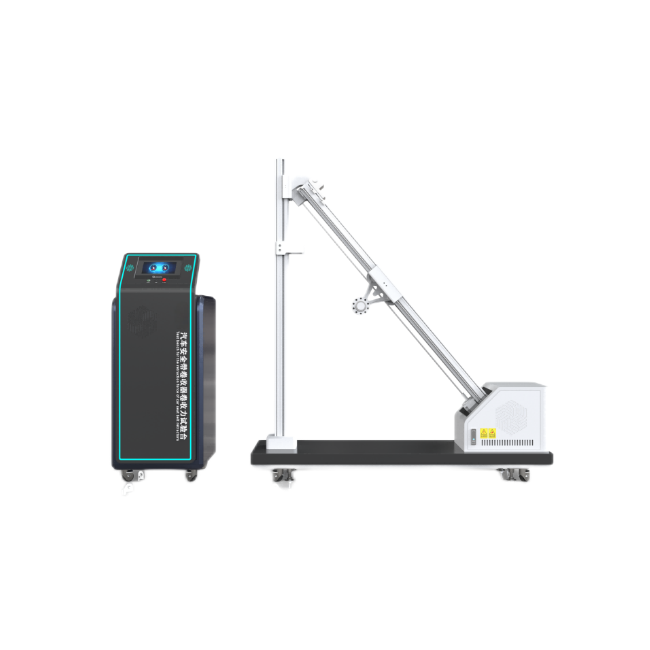
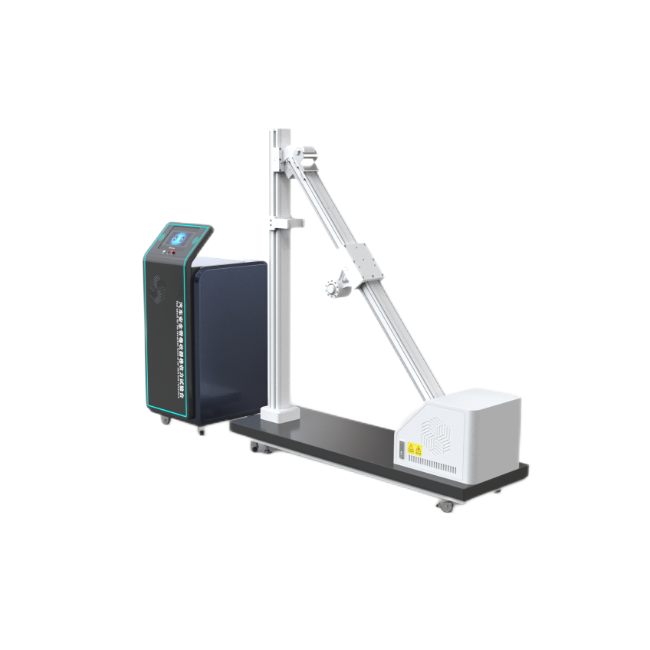
Automobile Seat Belt Fixed Point Test Bench is a professional testing system designed to evaluate the strength and durability performance of vehicle seat belt anchorage points, seat structures, and related restraint components. The system applies controlled tensile loads through hydraulic loading units to simulate actual collision force conditions and verify whether seat belt fixing points meet safety requirements. It is widely used by automobile manufacturers, component suppliers, certification laboratories, and research institutions for vehicle safety development and regulatory compliance testing.
Application
(1) Seat Belt Anchorage Testing
(2) Seat Structure Strength Testing
(3) Headrest and Seat Component Testing
(4) Child Restraint System Testing
(5) Vehicle Safety Development
(6) Certification and Compliance Testing
(7) Research and Engineering Applications
Applicable Standards:
National mandatory standards:
GB 15083-2006 "Automobile seats, seat fixtures and headrests strength requirements and test methods"
GB 14167-2006/2013 "Car Seat Belt installation Fixed Point"
GB 11550-2009 "Automobile seat headrest strength requirements and test methods"
GB 13057-2003/2014 "Strength of passenger seats and their vehicle fasteners"
GB 14166-2013 "Seat belt, restraint system, Child restraint System for Motor Vehicle Occupants ISOFIX Child Restraint System"
International Standards and regulations:
Eu ECE R14 Uniform Regulation on the approval of Vehicles with regard to seat belt fixing Points
Eu ECE R17 Uniform Regulation on the approval of vehicles with regard to seats, seat fixation points and headrests
Eu ECE R80 (specific terms may vary from version to version)
FMVSS 207 Seating System
FMVSS 210 Seat Belt Assembly Fixing Point
FMVSS 225 Child Restraint System Fixed Point
Enterprise standard:
For example, the test requirements of the strength of the seat system and the strength of the seat belt fixing point in the EP development standard of the German Volkswagen company.
SAE J 384 Stationary Point Test Code for Seat Belts in Motor Vehicles
SAE J 385, Motor Vehicle Seat Belt fixed point performance requirements, etc.
Main parameters:
| Parameter | Specification |
|---|---|
| Load Measurement Range | 0–30 kN (multi-channel) / 0–15 kN (optional configuration) |
| Number of Loading Channels | Configurable according to test requirements |
| Force Control Accuracy (0–30 kN System) | ±200 N (5–30 kN range), ±100 N (0–5 kN range) |
| Hydraulic Cylinder Quantity | Customized according to system configuration |
| Hydraulic Cylinder Load Capacity | Up to 3 T per cylinder (depending on configuration) |
| Hydraulic Cylinder Stroke | Approx. 1000 mm |
| Loading Speed | Programmable, capable of reaching preset load within required time |
| Load Holding Time | 0.2–120 s stepless adjustable |
| Loading Method | Hydraulic loading |
| Test Control | Automatic load application and holding control |
FAQ
(1) What components can be tested with a seat belt fixed point test bench?
The system is mainly used for testing seat belt anchorage points, vehicle seats, seat fixtures, headrests, and child restraint system fixing points. It evaluates structural strength under specified loading conditions.
(2) What is the typical load range of this testing system?
The equipment commonly supports 0–30 kN or 0–15 kN load measurement ranges depending on configuration. The selected load range should be based on vehicle type, applicable regulations, and testing requirements.
(3) Why does the test bench use hydraulic loading?
Hydraulic loading provides stable high-force output and smooth control, making it suitable for automotive structural strength tests that require accurate load application and specified holding times.
(4) Which standards are commonly used for seat belt anchorage testing?
Typical standards include GB 14167, GB 15083, ECE R14, FMVSS 210, SAE J384, and other vehicle safety regulations. The specific test method depends on vehicle category and certification requirements.
(5) How can I select a suitable seat belt fixed point test bench?
Selection should consider required load capacity, number of test channels, cylinder configuration, applicable standards, and fixture requirements. QINSUN instruments are calibrated and tested before shipment to ensure data accuracy. For customized solutions, engineering support, and application cases, please contact QINSUN engineers for professional guidance.
Leave Message Get Price