

4 facts about Fiber Strength Tester you should know

What is a Fiber Strength Tester?
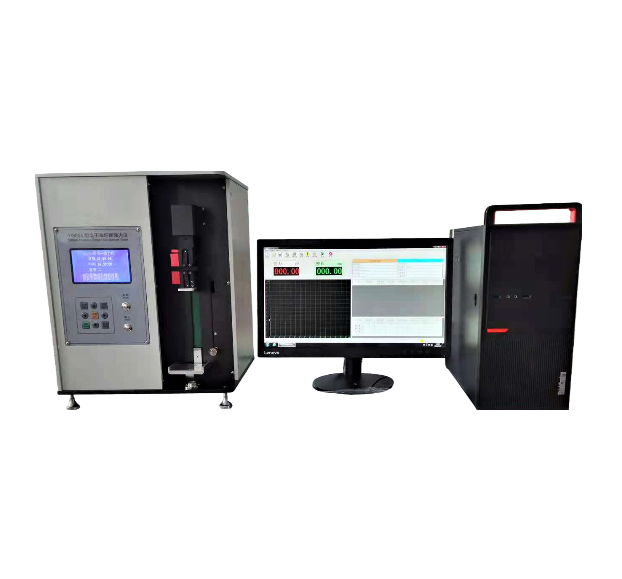
A Fiber Strength Tester checks how strong and stretchy fibers are. This tool
helps you see if fibers are good enough for making things. You put one fiber or
a bunch in the tester. The machine pulls the fiber until it breaks. You find out
how much force the fiber can take. You also see how far it stretches before it
snaps.
| Name | Application Description |
|---|---|
| Electronic Single Fiber Strength Tester | Checks breaking strength, stretching, and other features of fibers and wires. |
| Lea Strength Tester | Finds out how strong and stretchy fabrics like cotton and silk are. |
| Single-Yarn Strength Tester | Measures breaking load and stretching for single yarns. It can record and print results. |
| Fiber Bundle Strength Tester (Stelometer) | Tests strength and stretching of bundles like cotton and wool. |
| Fiber Tensile Strength Tester | Used for checking breaking strength and stretching of natural and chemical fibers. |
You see these testers in factories, labs, and places that check quality. Rules like ISO 5079 tell you how to use these machines. The rule says to clamp the fiber at both ends. Then you stretch it slowly until it breaks.
Materials Tested
You can test many kinds of fibers with a Fiber Strength Tester. These include natural and man-made fibers. Here is a list of materials you might test:
Carbon fibers
Glass fibers
Ceramic fibers
Polymer fibers (like polyesters, aramids, polyolefin fibers)
Natural fibers (such as cotton, flax, hemp)
You also test cotton yarn, wool, silk, linen, and other threads. Man-made fibers like nylon and polyester are used in lots of things. You use the tester to make sure each fiber is strong enough for its job.
A Fiber Strength Tester gives you key facts about the fibers you use. You learn which materials work best for your project. You also find out which ones need to be better.
How Fiber Strength Tester Works
Testing Process
A Fiber Strength Tester checks how much force a fiber can take. First, you put the fiber in the gripping part. The machine pulls the fiber until it breaks. You get two main results from the test. Tensile strength is the most force the fiber can handle. Breaking strength is the force when the fiber snaps.
Here is a simple table that shows the steps for testing fiber strength:
| Step | Description |
|---|---|
| 1 | Make test sheets that are 63.5mm wide. |
| 2 | Weigh the sheets to find their weight. |
| 3 | Put the sheets on the tester tray. |
| 4 | Pick dry or wet test settings. |
| 5 | Run the test and write down the results. |
| 6 | Check Fiber Strength, Fiber Length, and Fiber Bonding. |
You can test fibers when they are dry or wet. You get results like peak load and average tensile strength. You also see how far the fiber stretches before it breaks. You learn about the fiber’s initial modulus and creep. These show how the fiber acts under stress.
Data and Features
Modern Fiber Strength Tester models give you more than just numbers. You can save and print your test results. Some testers connect to computers and use special programs. You can export results as CSV, XML, or JSON files. This makes it easy to share your data.
Advanced models are very accurate and simple to use. They have features like:
Easy controls
Strong build for many fiber types
Quick setup and testing
Works with lab systems
Here is a table that compares advanced and basic models:
| Feature | Advanced Models | Basic Models |
|---|---|---|
| Precision | Very accurate measurements | Less accurate |
| Usability | Simple and easy to use | Harder to set up |
| Durability | Strong for many tests | Not as strong |
| Versatility | Works with many fiber types | Works with fewer types |
New Fiber Strength Tester designs use new technology. Many testers use automation for faster testing. Some use AI to help you look at your data. Portable and wireless testers let you test fibers outside the lab. Makers use eco-friendly materials to build these machines.
Tip: Modern testers follow rules like ASTM D3822 and ISO 5079. You can link them to lab systems for better work.
These features help you get good results and save time. You can make better choices for your projects with the right Fiber Strength Tester.
Importance of Fiber Strength Testing
Quality Control
You help make sure textiles are good quality. When you use a Fiber Strength Tester, you check if fibers are strong and stretchy. You also see if they will last long before making products. This step helps stop problems from happening later. If you do not test fibers, you might get defects like fiber misalignment. These problems can make weak spots and lower the strength by at least 6%. Places with misaligned fibers can break or wear out faster. You want to find these problems early.
Here are some ways fiber strength testing helps you keep quality high:
You check how strong and stretchy fibers are.
You make sure your products meet the right standards.
You see if the fibers are good for the final product.
You stop big problems like weak fibers and too much pilling.
You help the planet by picking fibers that last and make less waste.
Tip: Good testing helps you earn trust and follow industry rules.
Research and Development
You use fiber strength data to make better textiles. In research, you learn how fibers act and try to make them work better. You test new materials and compare them to old ones. You use special ways to study fiber structure and properties.
Here is a table that shows how you use fiber strength data in research:
| Analysis Method | Description |
|---|---|
| XRD Analysis | You check how strong recycled cotton fibers are. |
| Crystallinity Index | You learn about the cellulose structure in fibers. |
| Peak Height Method | You get more details about fiber structure. |
| Capacitance Measurement | You measure fiber length and nep content for better quality. |
| Equipment Used | You use tools like the Bruker AXS D8 Discovery diffractometer for exact results. |
You face problems in research too. Sometimes, fabric quality is not good or you do not have the right tools. You need trained people to do tests and get good results. When you use AI and traceability systems, you test faster and help the environment.
Note: Fiber strength testing helps you make textiles that last longer and meet new needs.
Choosing a Fiber Strength Tester
Key Considerations
You need to pick the best Fiber Strength Tester. Think about what matters most for your lab or factory. Accuracy helps you trust your test results. Reliability means your tester works well every time. Easy controls let you test fibers without problems. Calibration keeps your measurements correct. Maintenance helps your tester last longer.
Here is a table with important things to check:
| Factor | Description |
|---|---|
| Tensile strength | How much stress a fiber can take before it breaks. |
| Yield strength | How much stress causes permanent damage to the fiber. |
| Elongation | How much longer a fiber gets before it breaks. |
You should also think about how much the tester costs. Machines can cost from $3,000 to $150,000. Universal testing machines cost between $13,000 and $50,000. The price depends on load cell size, accuracy, software, grip material, frame, and brand.
Advanced features make testing easier and better. Look for models with computer controls and data management. Certifications like ASTM, ISO, EN, or JIS are important. These features help you measure tensile strength and crushing resistance. Some testers find breakpoints and run load-holding tests.
Tip: Pick testers with clear screens, automatic detection, and strong build. Small models fit in your pocket and are easy to carry.
Accuracy and Maintenance
You need to keep your Fiber Strength Tester working well. Regular checks help you find problems early. Clean your tester often to stop dirt from causing issues. Make a schedule for inspections, cleaning, and testing. This keeps your machine in good shape.
Regular visual checks help you find broken cables or loose parts.
Cleaning stops dust and dirt from messing up results.
Maintenance schedules help you remember important checks.
Training helps you use your tester the right way. Good sellers teach you how to use the machine. Help from experts lets you fix problems fast.
Note: Reliable testers give you better results and save time.
You now know the four key facts about Fiber Strength Testers. When you understand how these testers work, you can choose the right one for your needs. This helps you make better decisions in textile production.
You learn to spot weak fibers early and keep your products strong.
You match fiber properties with your project’s demands.
You ensure your materials meet industry standards and last longer.
Use these insights to improve quality, support innovation, and prevent costly mistakes in your work.
FAQ
What is the main purpose of a Fiber Strength Tester?
You use a Fiber Strength Tester to measure how strong and stretchy a fiber is. This helps you know if the fiber will work well in your product.
Can you test both natural and synthetic fibers?
Yes, you can test both types. You can check cotton, wool, silk, and also nylon, polyester, and glass fibers.
How often should you calibrate your Fiber Strength Tester?
You should calibrate your tester at least once every year. If you use it a lot, check it more often to keep results accurate.
What safety tips should you follow when using a Fiber Strength Tester?
Always wear safety glasses. Keep your hands away from moving parts. Make sure the fiber is clamped tightly before starting the test.
Do you need special training to use a Fiber Strength Tester?
You do not need a degree, but you should get training from the seller or an expert. This helps you use the machine safely and get correct results.
2026-01-12 17:05
- Related News
How to Choose a Suitable Drying Rate Tester?
What Is a Fabric ICI Pilling and Snagging Box?
How to Choose an ICI Mace Snag Tester?
What a Fiber Oil Extractor Actually Does?
Snap Button Pull Tester: Garment Accessory Tensile Strength Testing Guide
Guide to Block-on-Ring Friction Wear Equipment
How to Choose Universal Multifunction Tribology Test Machine
How to Choose an Air-Cooled Xenon Lamp Aging Chamber
What Does an Ozone Aging Chamber Test? Standards and Operating Methods
Fabric Cool Feeling Tester: Working Principle, Standards and Selection Guide