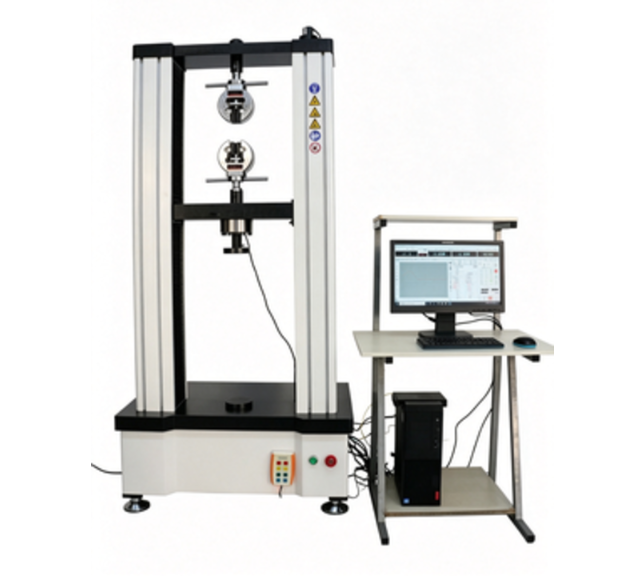
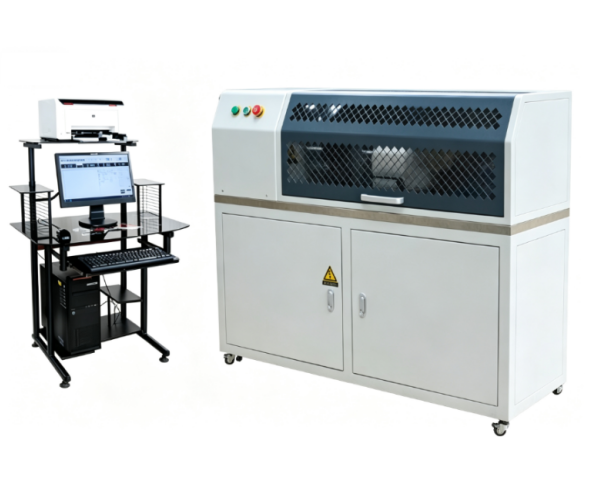
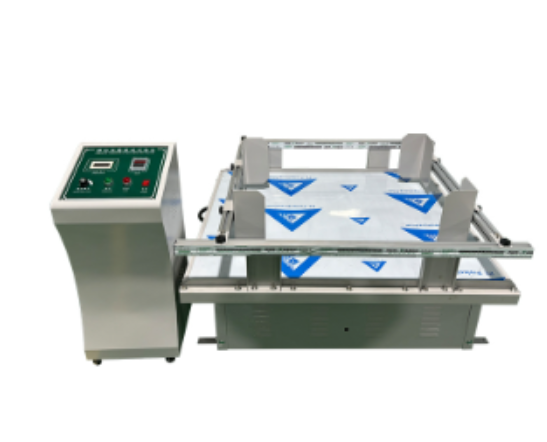
Wheel Hub Vibration Tester
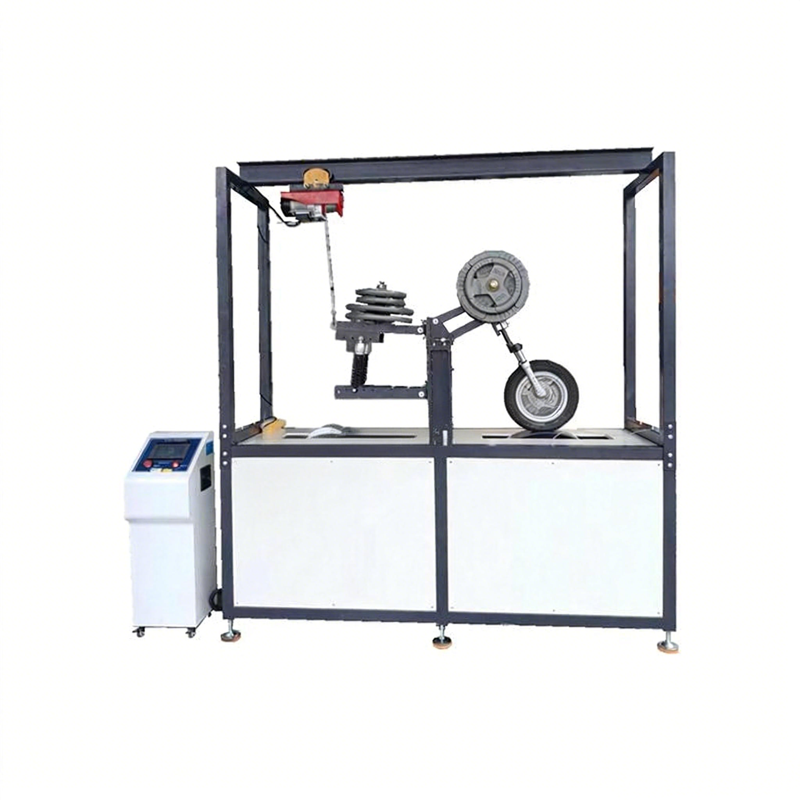


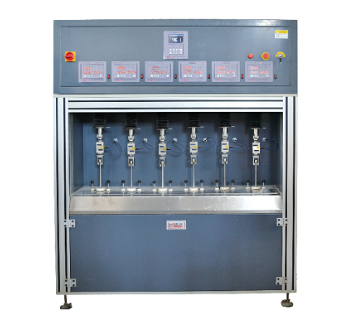
The Wheel Hub Vibration Tester is a dedicated testing system designed to evaluate the performance, durability, and reliability of wheel hubs under controlled vibration conditions. You can use this tester to simulate vibration loads encountered during real-world operation and assess hub structural strength, fatigue resistance, and fastener integrity. It is widely applied for bicycles, electric two-wheelers, three-wheelers, and ATV hubs, serving as an essential inspection device for manufacturers before shipment and a standard testing instrument for inspection laboratories.
Application
You can use this tester for vibration and durability testing of various wheel hub products and related components, including but not limited to:
(1) Bicycle wheel hub vibration performance testing
(2) Electric two-wheeler and three-wheeler hub durability evaluation
(3) ATV four-wheel vehicle hub and fastener vibration reliability testing
(4) Quality control inspection before product shipment
(5) Type testing and certification by third-party testing laboratories
(6) Structural optimization and reliability verification during product development
Standards
The Wheel Hub Vibration Tester is designed with reference to relevant international and industry standards, including:
(1) GB/T 20096-2006 — Safety performance test methods for bicycles and components
(2) QB/T 1884-2018 — Fatigue test methods for bicycle components
(3) ASTM F2264-14 — Standard specification for non-powered scooters and durability testing
(4) EN 14766 — Mountain bicycles — Safety requirements and test methods
(5) ISO 4210 — Cycles — Safety requirements for bicycles
Parameters
| Item | Technical Specification |
|---|---|
| Frame Material | Steel |
| Force Measurement Accuracy | ±0.5 N |
| Test Speed | ≤ 180 km/h |
| Power Supply | AC 220 V |
| Rated Power | 2000 W |
| Tester Type | High-frequency fatigue tester |
| Maximum Test Force | 1000 N |
| Applicable Products | Bicycle, electric vehicle, and ATV wheel hubs |
| Test Stroke / Distance | 1 – 999,999 km |
| Machine Weight | Approx. 350 kg |
| Overall Dimensions | 1600 × 1800 × 1400 mm |
| Packaging | 1 crate |
Features
(1) Dual-motor drive system enabling high-intensity vibration loading
(2) Independent or synchronous vibration for front and rear wheels
(3) Automatic shutdown triggered by hub or fastener damage detection
(4) Wide compatibility with bicycle, electric vehicle, and ATV wheel hubs
(5) High-frequency vibration simulation closely representing real road conditions
(6) PLC touchscreen control with programmable vibration intensity and test distance
Accessories
(1) Dual-motor vibration control system for front and rear wheels
(2) High-precision force sensor
(3) Adjustable mounting fixtures for different hub specifications
(4) PLC touchscreen control panel
(5) Safety detection and automatic shutdown system
(6) Power cables and electrical connections
(7) Maintenance consumables such as lubricants and cleaning supplies
Test Procedures
(1) Install the wheel hub securely onto the dedicated fixture
(2) Connect the power supply and start the PLC touchscreen interface
(3) Set vibration frequency, test distance, test force, and shutdown conditions
(4) Start the test program and initiate vibration loading
(5) Monitor force values and test progress in real time
(6) The system stops automatically when damage is detected or the preset distance is reached
(7) Save test data and clean the fixtures and machine surface after testing
Maintenance Information
(1) Regularly inspect motors, sensors, and fixtures for proper operation
(2) Keep moving components properly lubricated to ensure stable vibration output
(3) Clean the tester after each test to prevent dust and debris accumulation
(4) Periodically check electrical connections and safety devices
(5) Calibrate force sensors according to recommended intervals to maintain accuracy
FAQ
1. What is this tester?
This tester is a vibration fatigue testing system used to evaluate the durability, structural strength, and reliability of wheel hubs under simulated vibration conditions.
2. What is this tester used for?
You use it to assess vibration resistance, fatigue life, and fastener reliability of bicycle, electric vehicle, three-wheeler, and ATV wheel hubs.
3. What is the working principle of this tester?
The tester applies high-frequency vibration through a dual-motor system while monitoring applied force with sensors, simulating real road-induced vibration loads on the wheel hub.
4. Why is this tester important?
Wheel hubs are critical safety components. Vibration testing helps you identify structural weaknesses, prevent premature failure, and ensure product reliability before market release.
5. What industries is this tester suitable for?
It is suitable for bicycle manufacturers, electric vehicle manufacturers, ATV producers, testing laboratories, certification bodies, and research institutions.
Leave Message Get Price