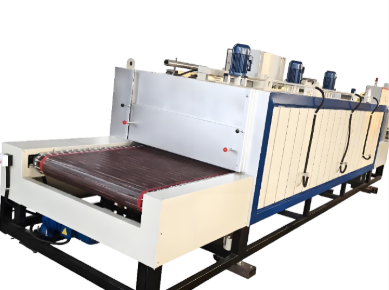
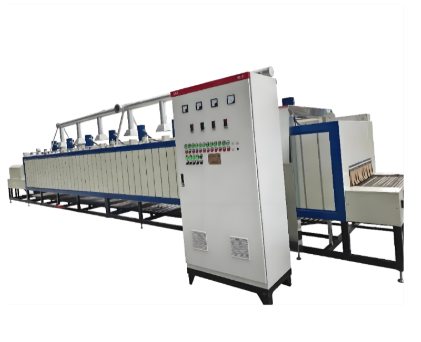
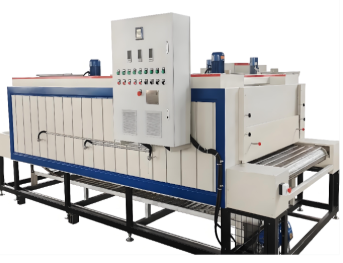
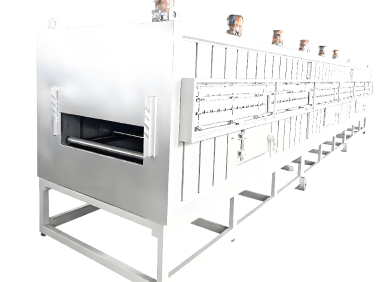
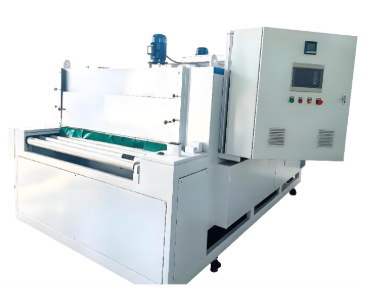
High Temperature Voltage Breakdown Tester
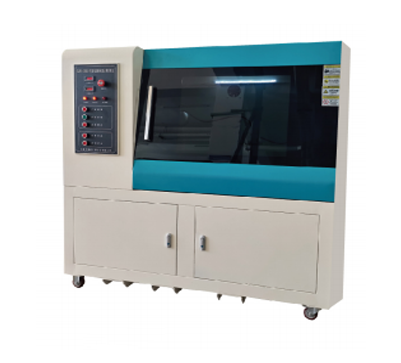


The Computer-Controlled Dielectric Breakdown Tester is a precision instrument designed to measure the withstand limit of insulating materials under high-voltage electric fields. Through precise computer-controlled voltage ramping, you can monitor real-time changes in voltage, current, and leakage current at the moment of breakdown. Featuring exceptional safety protection levels and data processing capabilities, this instrument automatically calculates dielectric strength ($E = U / d$) and plots complete breakdown curves, serving as a core tool for evaluating the reliability of electrical insulating materials.
Application
Mainly suitable for solid insulating materials such as wire bushings, resins and adhesives, impregnated fiber products, mica and its products, plastics, film products, ceramics and glass and other media at high temperature breakdown strength and voltage resistance time test, the instrument adopts computer control, can be used in the test process of various data for rapid and accurate acquisition, processing, and access, display, print.
Standards
GB1408.1-2016 "Test method for Electrical Strength of Insulating Materials"
GB1408.2-2016 "Electrical strength test methods for insulating materials - Part 2: Additional requirements for the application of DC voltage test"
JG795-2016 "Voltage Tester Verification Regulations"
Technical Parameters
| Parameter | Specification |
|---|---|
| Input Voltage | AC 220V 50Hz |
| Output Voltage | AC: 0 – 100kV; DC: 0 – 100kV |
| Output Power | 10kVA |
| Measuring Range | AC: 10 – 100kV; DC: 10 – 100kV |
| Measurement Error | ≤ 2% |
| Voltage Boost Rate | 0.5 kV/s – 10 kV/s |
| Withstand Pressure Time | 0 – 4H (German standard: 8H or 15H) |
| Leakage Current | 1 – 30mA, freely settable via computer software |
| Power Supply | AC 220V ± 10% single-phase AC voltage, 50Hz ± 1% frequency |
| Test Environment | Temperature: 15 – 30°C; Relative Humidity: 0 – 85% (stable operation) |
| Test Temperature | Up to 300°C (note: "lucky temperature" appears to be a typo) |
| Test Medium | Air and benzyl silicone oil |
| Heating Box Size | Air: 900 mm × 900 mm × 900 mm; Oil: 200 mm × 200 mm × 150 mm |
Features
1. This equipment primarily consists of a step-up system (high-voltage transformer), measurement system, A/D converter, discharge system, electrodes, oil tank, electrode positioning frame, computer data processing system, and software.
2. The instrument employs computer control to rapidly and accurately collect and process various data during testing, enabling storage, display, and printing.
Accessories
Standard Accessories
The standard configuration includes interchangeable test electrodes, a fully enclosed high-voltage test chamber with safety interlock, and an adjustable sample holder to ensure stable and repeatable testing.
An integrated high-voltage power supply, industrial control computer with test software, and shielded high-voltage cables are provided for automatic control, real-time monitoring, and safe operation.
Optional Accessories
Optional accessories are available to expand testing capability, including additional electrode sets, an oil bath test chamber for liquid insulation testing, external report printer, and UPS power supply to ensure uninterrupted testing.
FAQ
1. What is this product?
It is a laboratory testing device that precisely generates high-voltage electric fields via computer control to determine the voltage at which materials transition from “insulators” to “conductors.”
2. What is this product used for?
It helps measure two core indicators of insulating materials: breakdown voltage (RMS/peak) and dielectric strength. This directly determines the maximum operating voltage a material can withstand without damage in practical applications.
3. How does this product work?
It applies progressively increasing voltage to the sample via a voltage regulator and high-voltage transformer. When the voltage intensity exceeds the intermolecular bonding strength of the material, it forcibly conducts electricity, forming a current path. The computer system captures the instantaneous surge in current and records the maximum voltage at that moment.
4. Why is this product important?
Insufficient electrical strength in insulating materials can cause leakage, short circuits, or even fires in electronic products. It is the most fundamental and critical test for evaluating the safety of motors, transformers, and cables.
5. Which industries is this product suitable for?
It is primarily suitable for wire and cable manufacturing, the plastics and rubber industry, transformer and motor manufacturing, electronic component R&D, specialty coatings, third-party testing agencies, and energy/power research departments.
Leave Message Get Price