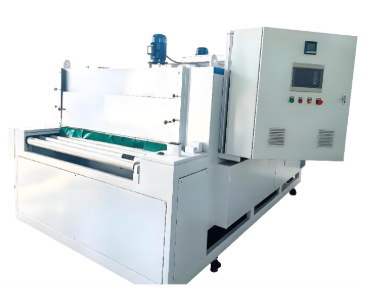
Textile Moisture Absorption and Heat Generation Performance Tester
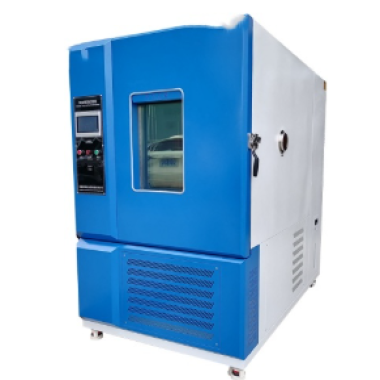


The Textile Moisture Absorption and Heat Generation Performance Tester is a laboratory instrument designed to evaluate the thermal response of textiles when absorbing moisture. By simulating real-use humidity and airflow conditions, it measures temperature rise, heat-release characteristics, and thermal comfort performance of fabrics, fibers, yarns, and finished garments. It is widely used in the development and quality control of moisture-absorbing and heat-generating functional textiles, including thermal underwear, sportswear, outdoor apparel, bedding materials, and smart temperature-regulating fabrics.
Application
(1) Functional thermal underwear: evaluating moisture-induced heat generation and thermal comfort
(2) Sportswear and outdoor performance fabrics: testing fibers, yarns, and finished garments for thermal response under sweat or humidity
(3) Fiber and yarn development: assessing hygroscopic-exothermic treatments on raw fibers and spun yarns
(4) Fabrics with moisture-activated heat generation: testing treated fabrics for winter clothing, jackets, and thermal layers
(5) Winter apparel and insulation materials: measuring thermal comfort of coats, down jackets, quilted garments, and ski wear
(6) Bedding and home textiles: evaluating quilts, blankets, mattress toppers, pillow fillings, and mattress fabrics
(7) Medical textiles: testing hospital gowns, patient bedding, and temperature-regulating medical fabrics
(8) Smart textiles and temperature-adaptive fabrics: assessing heat generation for wearable electronics, adaptive sportswear, and intelligent fabrics
(9) Research and teaching: providing reliable data for textile engineering labs, R&D of functional fabrics, and academic experiments
(10) Quality control: manufacturers and inspection institutes use it to ensure consistent thermal performance of moisture-absorbing and heat-generating textiles
Standards
(1) GB/T 29866-2013 — Test method for moisture absorption and heat generation performance of textiles
(2) FZ/T 73036-2010 — Moisture absorption and heat-generating thermal underwear standard
(3) ISO 18625 — Textiles — Determination of heat generated during wetting of fabrics
(4) ASTM F1868 — Standard Test Method for Thermal and Evaporative Resistance of Clothing Materials
(5) EN 31092 — Clothing — Physiological effects — Measurement of thermal resistance and water-vapour resistance under steady-state conditions
(6) ISO 11092 — Textiles — Physiological effects — Measurement of thermal and water-vapour resistance under steady-state conditions
(7) AATCC TM195 — Test Method for Evaluation of Thermal Absorption of Fabrics
Technical Parameters
| Parameter | Specification |
|---|---|
| Temperature Rise Range | 0–100 °C |
| Temperature Resolution | 0.01 °C |
| Temperature Fluctuation | ≤ ±0.5 °C |
| Relative Humidity Range | 30%–90% ± 3% |
| Air Velocity | 0.3–0.5 m/s (adjustable) |
| Test Time Range | 0 min 01 s – 99 min 59 s |
| Time Resolution | 1 second |
| Detection Channels | 4 channels |
| Chamber Size | 350 × 300 × 400 mm (W×D×H) |
| Chamber Material | Stainless steel with thermal insulation |
| Environmental Control System | Heating, humidification, refrigeration, air circulation |
| Power Supply | AC 220V / 50Hz |
Key Features
(1) High-precision thermal measurement: Fast-response sensors accurately capture temperature rise during moisture absorption
(2) Controlled environmental simulation: Stable control of humidity, airflow, and temperature ensures repeatable test conditions
(3) Multi-sample testing: Supports multi-channel testing (e.g., 4 channels) to improve laboratory efficiency
(4) Stable and uniform chamber design: Optimized airflow and thermal insulation maintain consistent environmental conditions
(5) User-friendly operation: Digital display, programmable test time, and intuitive interface ensure easy operation
FAQ
(1) What is this tester?
It is a laboratory instrument for measuring the thermal response of textiles during moisture absorption.
(2) Which industries use the moisture absorption heat generation tester?
This equipment is widely used in textile manufacturing, functional apparel development, sportswear production, outdoor clothing research, bedding industries, medical textile development, universities, and testing laboratories. It helps users optimize textile structures, verify product performance, and ensure consistent thermal comfort characteristics.
(3) What types are available?
Standard 4-channel tester; custom configurations may be available depending on laboratory requirements.
(4) What industry problems can it solve?
It helps assess functional textile performance, optimize product design, verify quality of moisture-absorbing and heat-generating fabrics, and support research and development of thermal comfort textiles.
(5) How to choose the right moisture absorption heat generation tester?
The selection depends on sample type, required testing standards, number of samples, environmental simulation requirements, and research objectives. Different configurations can be customized according to laboratory needs. Each machine undergoes strict factory inspection and performance verification before delivery to ensure accurate, stable, and reliable test data and meet customer testing requirements.
Leave Message Get Price