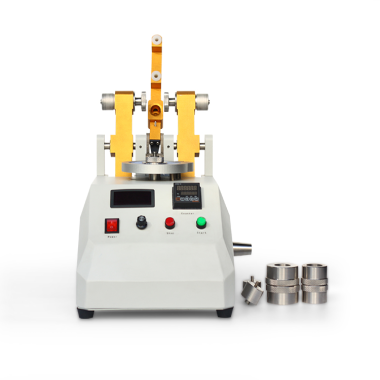
Taber abrasion tester


Application
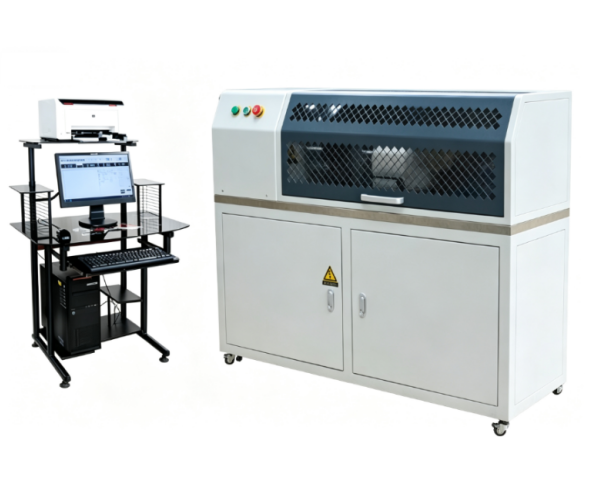
The Taber 5750 Abrasion Tester is designed to evaluate the wear performance of materials with contoured or polished surfaces. It is widely used for testing plastics, automotive components, rubber, leather, textiles, coatings, electroplated surfaces, printed materials, and other consumer or industrial products. It is particularly ideal for abrasion testing of complex shapes, such as computer mice, IT devices, and other products where surface finishing and wear resistance are critical. The tester can perform dry and wet abrasion tests, assess scratch resistance, and measure color transfer (abrasion discoloration or rubbing fastness).
Standards
The Taber 5750 Abrasion Tester complies with the following international standards:
ASTM D3884 – Abrasion Resistance of Textile Fabrics (Rotary Platform, Double-Head Method)
ASTM D1175 – Abrasion Resistance of Leather
ASTM D1044 – Resistance of Transparent Plastics to Surface Abrasion
ASTM D4060 – Abrasion Resistance of Organic Coatings (Taber Abraser Method)
TAPPI T476 – Abrasion Resistance of Paper and Paperboard
ISO 9352 – Plastics: Determination of Resistance to Wear by Abrasive Wheels
ISO 5470-1 – Rubber or Plastics-Coated Fabrics: Abrasion Resistance
JIS K7204, JIS A1453, JIS K6902, JIS L1096, JIS K6964 – Abrasion Resistance for Various Materials
DIN 52347, DIN 53109, DIN 53754, DIN 53799 – Abrasion Resistance of Rubber, Plastics, and Coatings
The instrument also carries a CE certificate and CE safety markings.
Technical Parameters
| Parameter | Specification |
|---|---|
| Stroke Length / Moving Distance | Standard: 0.2", 0.5", 0.61", 0.75", 1.0", 1.5", 2.0", 2.5", 3.0", 3.5", 4.0"; Customizable optional stroke lengths |
| Back-and-Forth Speed | 2–75 cycles/min; Six preset speeds: 2, 15, 25, 30, 40, 60 cycles/min |
| Number of Revolutions | Up to 999,999 (abrasion heads may need replacement during extended cycles) |
| Standard Load | 350g – 2100g (typically three 250g weights included); Various optional weight discs available |
| Abrasion Heads | 10 CS-10 and 5 H-18 rubber heads |
| Abrasive Media | 50 pieces of S-14 sandpaper (included); optional media can be used for wet or dry testing |
| Accessories | Wear depth gauge, optional sample holder, scratch and coin abrasion test accessories |
| Power Supply | AC 220V, 50Hz, single phase |
| Certification | CE certified with safety marks |
Product Advantages
Versatile Testing: Supports abrasion, scratch, and color transfer testing on a wide range of materials including plastics, coatings, rubber, leather, textiles, and metal surfaces.
Customizable Test Parameters: Adjustable stroke length, speed, load, and number of revolutions allow precise simulation of real-world conditions.
Dry and Wet Testing Capability: Can perform tests with dry or wet abrasive media.
High Accuracy and Stability: Abrasion heads made from high-quality wear-resistant materials; laser-guided sample placement ensures consistent results.
Optional Accessories: Additional sample holders and attachments enable testing for alcohol resistance, coin scratching, and damage extent evaluation.
FAQ
1. What is the Taber Abrasion Tester?
The Taber Abrasion Tester is a precision instrument designed to evaluate the wear resistance, scratch resistance, and color transfer of various materials. It uses a rotating platform and abrasive wheels to simulate real-world wear and tear on plastics, coatings, textiles, rubber, leather, metals, and other surfaces.
2. What is the purpose of the Taber Abrasion Tester?
Its main purpose is to provide quantitative data on the durability and performance of materials under abrasion conditions. This helps manufacturers, quality control labs, and R&D teams assess material longevity, optimize coatings, and ensure product quality before market release.
3. Why is the Taber Abrasion Tester important?
Material wear can significantly affect product performance, aesthetics, and lifespan. The Taber Abrasion Tester provides standardized, repeatable, and accurate testing results, enabling companies to improve material formulations, reduce product failures, and maintain compliance with international standards.
4. What can the Taber Abrasion Tester measure?
The instrument can measure:
Abrasion resistance of coatings, plastics, metals, rubber, textiles, and leather
Scratch resistance for single or multiple passes
Color transfer or friction discoloration (rubbing fastness)
Performance under both dry and wet abrasion conditions
5. How does the Taber Abrasion Tester operate?
The tester operates by placing the sample on a rotating platform while abrasion wheels apply a controlled load. The stroke length, back-and-forth speed, number of cycles, and applied weight can all be adjusted. Abrasive media such as sandpaper or rubber wheels simulate wear. The device includes a counter and optional accessories for precise, repeatable testing, while laser-guided placement ensures consistent sample positioning.
Leave Message Get Price