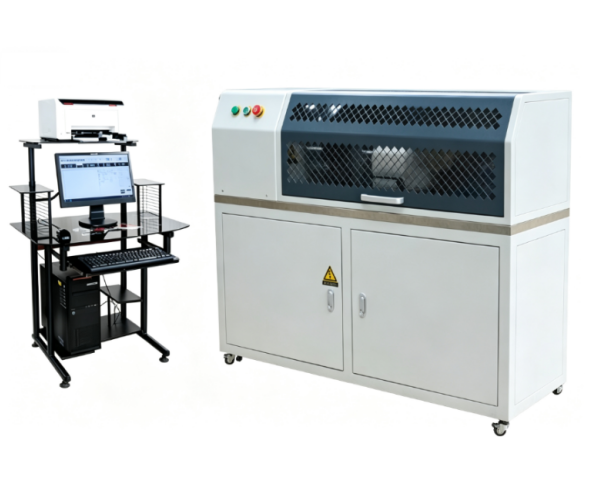
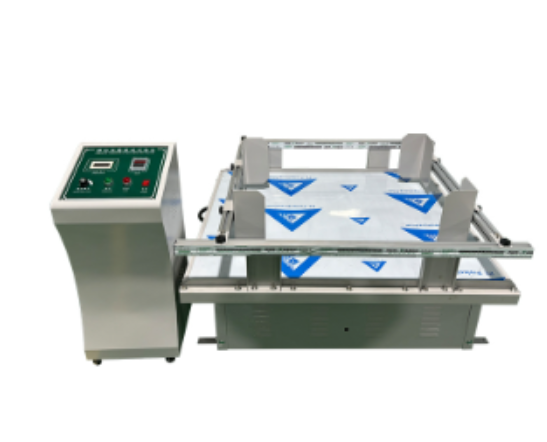
Rubber Din Abrasion Tester



Application
The DIN Abrasion Resistance Tester is designed to evaluate the wear resistance of elastic materials, including rubber, conveyor belts, tires, shoe soles, synthetic leather, and other soft materials. It is widely used in quality control laboratories, rubber and footwear manufacturing, automotive components testing, and materials research to ensure product durability and compliance with international standards. The instrument simulates real-world abrasion conditions to provide accurate, reproducible results, helping manufacturers optimize material performance and extend product life.
Standards
This tester is compliant with major international standards, ensuring reliable and recognized testing:
DIN 53516 – Rubber, determination of abrasion resistance
JIS K6369 – Rubber abrasion testing
GB/T 20991 – Rubber abrasion test
GB 20265-2006 & GB 20266-2006 – Rubber and elastomer abrasion tests
SATRA TM174 – Footwear abrasion resistance
BS 903 – Testing rubber and elastomeric materials
JIS K6264 – Rubber abrasion test method
GB/T 9867 – Rubber abrasion test
ISO 4649 – Rubber, determination of abrasion resistance
Technical Parameters
| Parameter | Specification |
|---|---|
| Test Load | 250g + 500g (total column weight including clamp = 1kg) |
| Specimen Size | As per standard or customized |
| Drum Wheel Travel Distance | 40 m |
| Measurement Accuracy | Electronic scale: ±0.001g |
| Column Head Height Adjustment | 2.0 ± 0.2 mm above specimen surface |
| Vacuum System | Equipped to remove debris during testing |
| Power Supply | Standard laboratory voltage, 220V/50Hz |
| Machine Dimensions | Customized based on configuration |
| Test Result Calculation | Average of three repetitions, corrected to millimeters |
Product Advantages
High precision measurement with electronic scale for accurate wear calculation
Adjustable test column to accommodate different specimen thicknesses
Realistic simulation of material wear conditions over long distances
Supports multiple international standards for rubber and elastomer testing
Vacuum debris removal ensures clean testing environment and reproducible results
Robust steel construction for durability and long service life
Easy to operate with clear procedure for setup, testing, and specimen handling
FAQ
1. What is the DIN Abrasion Resistance Tester?
The DIN Abrasion Resistance Tester is a laboratory instrument designed to measure the wear resistance of soft materials such as rubber, synthetic leather, conveyor belts, tires, and shoe soles. It simulates real-world abrasion conditions using a rotating drum wheel and adjustable weights to ensure consistent and accurate testing.
2. What is the purpose of this tester?
This instrument evaluates how materials withstand friction and wear over time, helping manufacturers assess durability, quality, and suitability for specific applications. It is essential for quality control, material development, and compliance with international abrasion standards.
3. Why is the DIN Abrasion Resistance Tester important?
Abrasion resistance is a critical property for materials used in high-wear applications like footwear, automotive components, and industrial rubber products. Using this tester ensures that materials meet safety, performance, and longevity requirements, reducing product failures and improving customer satisfaction.
4. What can the DIN Abrasion Resistance Tester measure?
The tester measures material wear by calculating weight loss or dimensional changes after abrasion. It provides quantitative results in grams or millimeters, allowing evaluation of:
Rubber and elastomer durability
Shoe sole abrasion performance
Conveyor belt wear resistance
Synthetic leather and coating wear
5. How does the DIN Abrasion Resistance Tester work?
The specimen is mounted on the test column and positioned against a rotating drum wheel under a set load. The column moves the specimen along the wheel for a defined travel distance, typically 40 meters. A vacuum system removes debris during testing, and an electronic scale measures the weight of the specimen before and after the test. The wear value is calculated based on weight loss or thickness reduction.
Leave Message Get Price