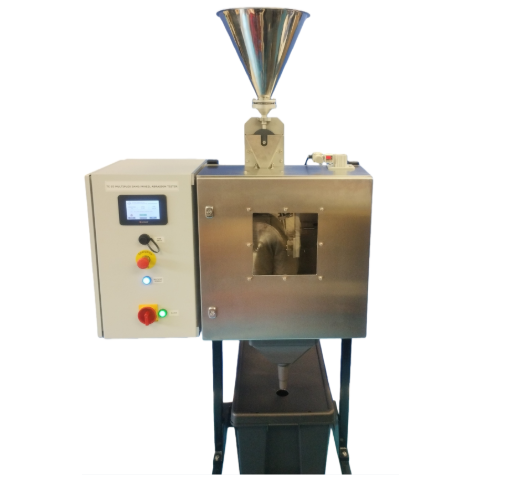
Multiplex Sand/Wheel Abrasion Tester STD-TE 65


Product Introduction
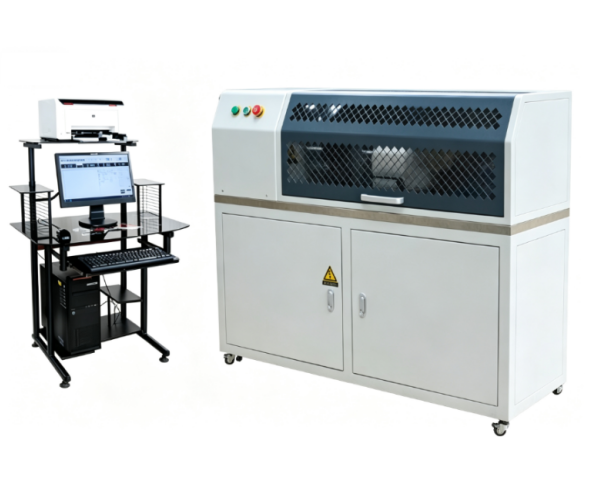
The STD-TE 65 Multiplex Sand/Wheel Abrasion Tester is designed to evaluate the abrasive wear resistance of metallic and non-metallic materials under dry or wet sand conditions. The instrument simulates low-stress scratching abrasion by pressing a test specimen against a rotating wheel while sand or slurry is introduced into the contact zone. With flexible wheel configurations and precise pneumatic loading, it provides highly repeatable and standardized wear performance data.
Application Range
The tester is suitable for:
Metals, hard alloys, cemented carbides
Thermal spray coatings and surface treatments
Plastics and engineering composites
Ceramics and wear-resistant materials
Quality control, research laboratories, mining, construction, metallurgy, and materials engineering sectors
It can perform dry abrasion, wet abrasion, and high-stress abrasion depending on the selected wheel and method.
Standards Compliance
The instrument fully meets the requirements of:
ASTM G65 – Dry Sand / Rubber Wheel Abrasion
ASTM G105 – Wet Sand / Rubber Wheel Abrasion
ASTM B611 – Abrasive Wear Resistance of Cemented Carbides
Product Advantages
Multi-method capability: One machine supports G65, G105, and B611 test methods.
High test repeatability: Pneumatic loading with precision regulator and integrated pressure sensor ensures stable force application.
Flexible wheel configurations: Supports multiple wheel sizes and materials for different test conditions.
Stable speed control: PLC control with touch-screen interface provides accurate speed adjustment and monitoring.
Robust structure: Floor-standing system with heavy-duty frame ensures long-term operational stability.
Easy sand collection: Vertical abradant discharge with lower hopper simplifies cleanup.
Technical Parameters
| Item | Specification |
|---|---|
| Wheel Speed | 10–350 rpm |
| Wheel Types | 9″ rubber wheel (ASTM G65); 6.65″ steel wheel (ASTM B611); 7″ rubber wheel (ASTM G105) |
| Load | 20–350 N (pneumatic controlled) |
| Motor | AC motor with frequency inverter drive |
| Specimen Size | 25 mm × 58 mm |
| Specimen Thickness | 6–16 mm |
| Test Methods | ASTM G65, ASTM G105, ASTM B611 |
| Power Supply | 220–240 V, single phase, 50 Hz, 1 kW; 110–120 V, single phase, 60 Hz, 1 kW |
Test Procedures
You should follow these steps during testing:
(1) Select and install the appropriate test wheel according to the selected ASTM standard;
(2) Mount the test specimen securely on the specimen holder;
(3) Set the required wheel speed using the touch-screen PLC interface;
(4) Adjust the applied load via the precision regulator and confirm it using the pressure sensor;
(5) For dry tests, feed sand through the hopper and nozzle; for wet tests, prepare and agitate the slurry in the trough;
(6) Start the test and allow it to run for the specified duration;
(7) After completion, remove the specimen and collect wear data for analysis.
Maintenance Information
(1) Regularly inspect wheels, load arms, and bearings for wear or damage;
(2) Clean the sand hopper, slurry trough, and collection hopper after each test;
(3) Check pneumatic lines and pressure sensors to ensure accurate load application;
(4) Verify PLC and touch-screen functionality periodically;
(5) Replace worn wheels and seals according to usage conditions and test frequency.
FAQ
(1) What is this product?
This product is a floor-standing abrasion testing machine designed to measure material wear resistance using sand or slurry abrasion methods. It supports multiple ASTM test standards within a single system.
(2) What is this product used for?
You use it to evaluate abrasive wear behavior of metals, cemented carbides, coatings, and engineering materials under controlled dry or wet conditions, mainly for research, development, and quality control.
(3) How does this product work?
It works by pressing a rotating rubber or steel wheel against a test specimen under a controlled normal load. Sand or slurry is introduced into the contact area, and the resulting material loss or wear behavior is measured after the test.
(4) Why is this product important?
Abrasion is a major failure mechanism in many industrial applications. This tester allows you to quantify wear resistance in a standardized and repeatable way, supporting material selection, product improvement, and compliance with international standards.
(5) What industries is this product suitable for?
It is suitable for materials testing laboratories, mining and mineral processing, metallurgy, cemented carbide manufacturing, coating development, academic research institutions, and industrial quality control departments.
Leave Message Get Price