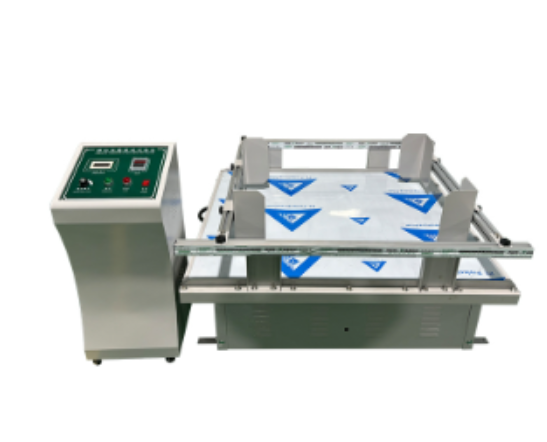
PV Hail Impact Tester IEC 61215
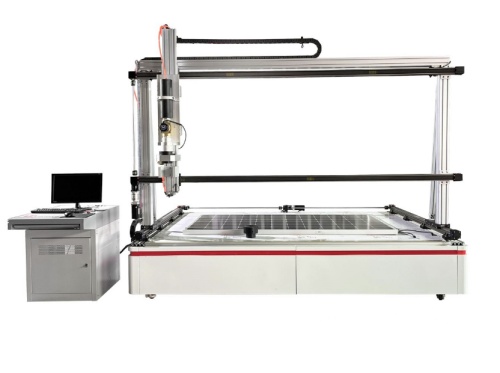


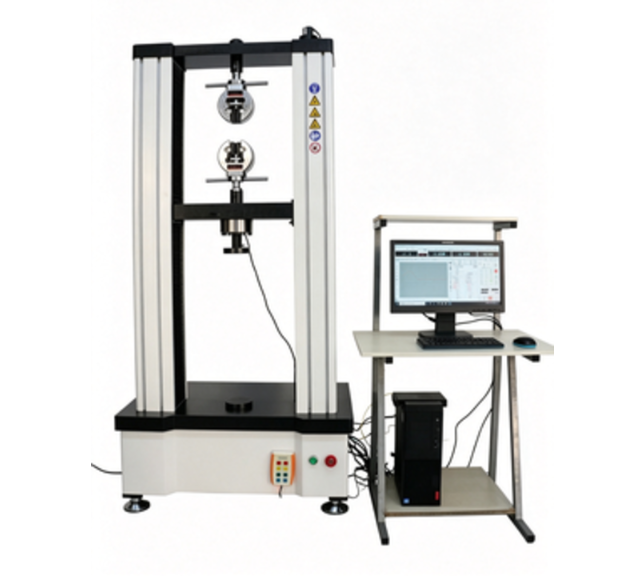
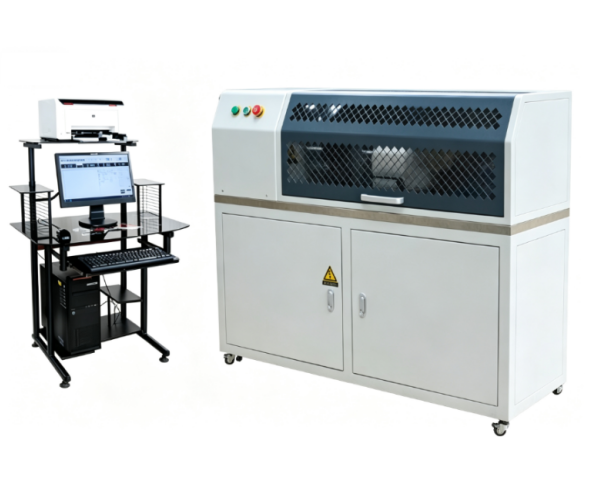
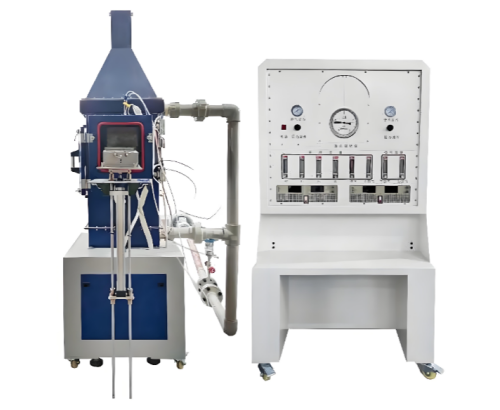
The PV Hail Impact Tester is a precision instrument designed to evaluate the mechanical resilience of photovoltaic modules under simulated hail impact conditions. It delivers controlled and repeatable impact energies to assess module durability, ensuring compliance with international IEC, UL, and ASTM standards. The system supports both laboratory testing and quality control in production lines, providing high-speed imaging and automated data logging for comprehensive performance analysis.
Application
The tester is suitable for:
Quality control of photovoltaic modules during production.
R&D for new PV module designs and materials.
Verification of hail resistance under extreme weather conditions.
Certification testing in compliance with IEC, UL, and ASTM standards.
Standards
IEC 61215: Mechanical load testing for terrestrial photovoltaic modules
UL 61730: Safety standards for photovoltaic modules under extreme weather conditions
ASTM E1886: Impact resistance testing for building envelopes (adapted for PV applications)
IEC TS 63057: Hail impact simulation protocols for concentrated solar power systems
Parameters
| Parameter | Specification |
|---|---|
| Impact Energy Range | 0.5 J – 50 J (adjustable) |
| Ice Ball Diameter | 25 mm, 35 mm, 50 mm, 75 mm |
| Test Temperature Range | -40°C to +85°C (with optional environmental chamber) |
| Sample Size | Max. 2200 mm × 1400 mm (dual-station) |
| Power Supply | 220V/380V, 50/60Hz, 3-phase |
| Air Compressor Requirement | 0.6–0.8 MPa, 1.2 m³/min |
| Dimensions (L×W×H) | 3500 mm × 2000 mm × 2500 mm |
Features
Precision Engineering: High-speed pneumatic system with ±2% accuracy delivers consistent impact energies.
Adjustable Simulation: Ice ball diameter adjustable from 25 mm to 75 mm to simulate diverse hail sizes.
Safety Assurance: Enclosed chamber with transparent polycarbonate shielding, emergency stop, and over-pressure protection.
User-Friendly Operation: 7” touchscreen HMI with multi-language support and pre-programmed test modes.
High-Speed Imaging: 1000 fps camera captures impact dynamics for post-test analysis.
Automated Control: Programmable ice ball trajectory (0°–90°) and real-time force, velocity, and deformation data logging.
Robust Construction: Stainless steel frame with anti-vibration mounts and low-noise operation (<65 dB).
Accessories
Impact Materials: 100x ice balls (25 mm/35 mm/50 mm/75 mm mix)
Sample Clamping Kit: Adjustable for frameless or framed PV modules
Software Suite: Real-time data acquisition and analysis tool, report generator (PDF/Excel export)
Spare Parts Kit: 2x pneumatic nozzles, 5x O-rings, 1x calibration tool
User Manual: Multilingual printed and digital copy
FAQ
1. How does the tester ensure the ice balls represent "real" hail?
The tester uses precision-engineered molds and temperature-controlled freezing to ensure the ice spheres meet the density and mass requirements specified in IEC 61215. simulating the kinetic energy of natural hailstones.
2. Can this machine detect micro-cracks in the solar cells?
While the tester performs the physical impact and captures high-speed video, it is usually used in conjunction with an EL (Electroluminescence) tester to identify "invisible" micro-cracks in the silicon wafers caused by the impact vibration.
3. Why is the 1000 fps camera necessary?
PV glass impact happens faster than the human eye can see. The high-speed camera allows you to observe the exact moment of energy transfer, helping you understand if the glass flexed, vibrated, or if the failure began at a specific stress point.
4. What happens if the air pressure is unstable?
The system features a built-in over-pressure protection and a precision regulator. If the air supply does not meet the 0.6–0.8 MPa requirement, the HMI will trigger an alert, preventing inaccurate or "weak" launches.
5. Is the environmental chamber mandatory for all hail tests?
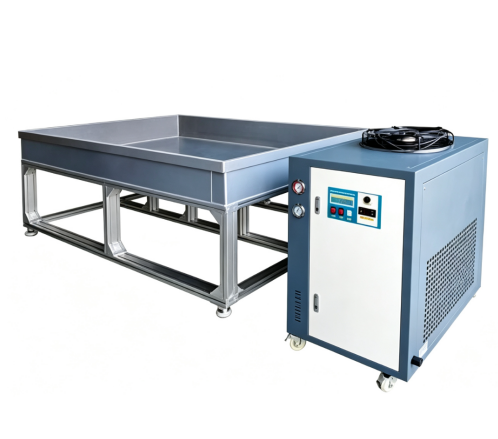
It is optional but highly recommended for R&D. Materials like polymers and tempered glass can become more brittle at low temperatures; testing at -40°C provides a "worst-case scenario" for modules installed in arctic or high-altitude climates.
6. How to select the right PV Hail Impact Tester model?
The correct model depends on photovoltaic module size, required impact energy, hail diameter range, testing standards, and whether environmental temperature simulation or high-speed imaging is required. Our engineers provide professional equipment selection support based on customer applications. Each machine undergoes strict factory inspection and performance verification before shipment to ensure accurate test data, stable operation, and reliable measurement results.
Leave Message Get Price