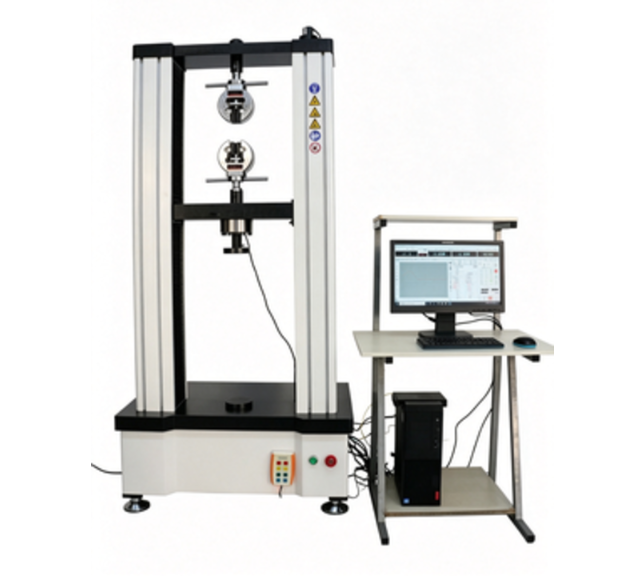
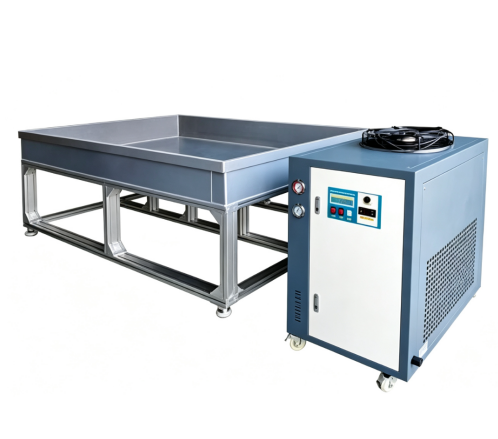
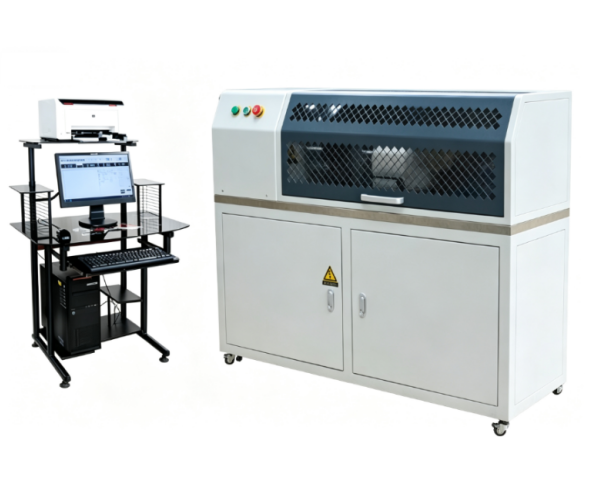
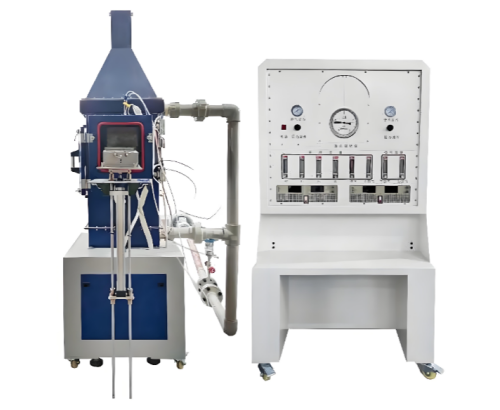
Adhesion Tester for Plasters
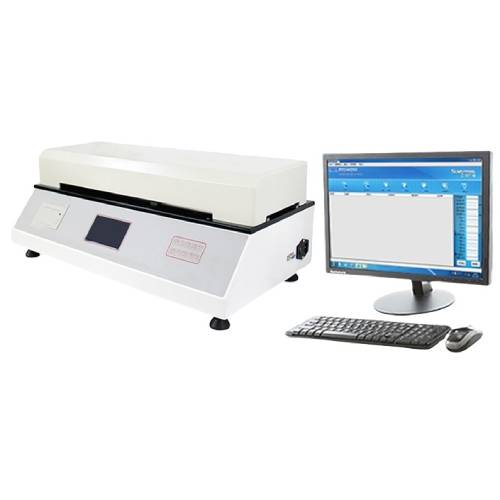


The Adhesion Tester for Plasters is developed in accordance with the 2015 Pharmacopoeia (Method 0952, Adhesion Test, Method IV). It is designed to measure the adhesion force generated when the adhesive surface of plasters or patches adheres to the skin.
Application
This instrument is suitable for testing:
(1) Medical plasters
(2) Transdermal patches
(3) Topical adhesive preparations
It is widely used in pharmaceutical companies, quality inspection institutions, and research laboratories.
Standard
(1) Pharmacopoeia 2015 Edition — Adhesion Test Method
Technical Specifications
| Item | Specification |
|---|---|
| Measurement Range | 0–50 N (Optional 30 N range) |
| Stroke | 600 mm |
| Roller Weight | 2000 g ±10 g |
| Accuracy Grade | 0.5 |
| Test Speed | 1–600 mm/min (stepless speed regulation) |
| Speed Accuracy | ±1% |
| Dimensions | 1000 mm (L) × 350 mm (W) × 400 mm (H) |
| Power Supply | AC 220V 50Hz |
| Net Weight | 25 kg |
Features
(1) Fully compliant with Pharmacopoeia 2015 adhesion test requirements
(2) Wide speed adjustment range with precise control
(3) High measurement accuracy (0.5 grade)
(4) Standard 2000 g roller ensures consistent sample preparation
(5) Stable mechanical structure for reliable and repeatable results
(6) Suitable for laboratory and quality control applications
FAQ
(1) What is this product?
It is a laboratory instrument used to measure the adhesion force of medical plasters and patches.
(2) What is this product used for?
It is used to evaluate the adhesive strength between a plaster or patch and the skin.
(3) What standard does it comply with?
It complies with the 2015 Pharmacopoeia Adhesion Test Method (Method 0952, Method IV).
(4) Why is adhesion testing important?
It ensures that plasters and patches provide sufficient adhesion during application without causing excessive skin damage.
(5) Who uses this instrument?
Pharmaceutical manufacturers, quality control laboratories, and research institutions.
Leave Message Get Price