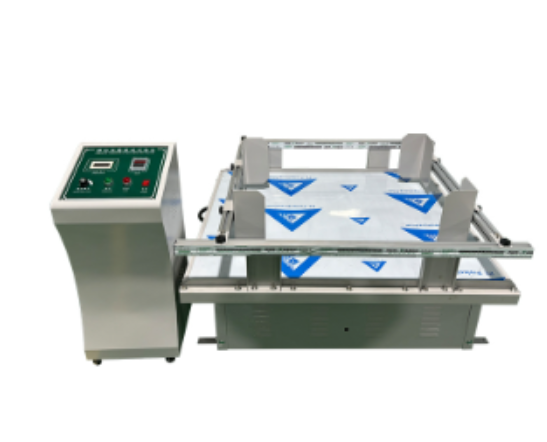
Heat Flow Meter for Thermal Insulation Materials
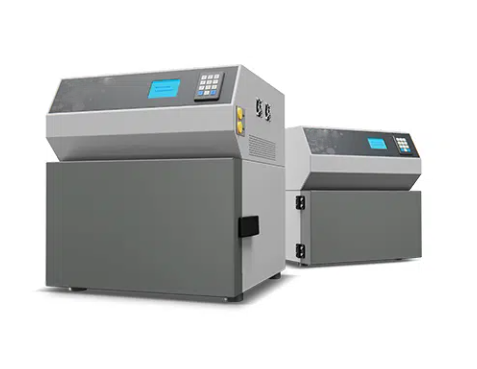


The Heat Flow Meter for Thermal Insulation Materials is a precision instrument designed to measure the thermal resistance and thermal conductivity (k-value) of insulation products, building materials, packaging, and components. This user-friendly device provides reliable and repeatable measurements, enabling the quantification of heat transfer properties and overall thermal performance. Beyond characterizing the thermal behavior of materials, it helps define their energy efficiency, supporting material selection and quality control processes.
Application
Measuring thermal conductivity and resistance of insulation materials (rigid and flexible), building materials, and packaging.
Evaluation of thermal performance of components in construction and industrial applications.
Assessment of energy efficiency for materials used in insulation, thermal management, and packaging systems.
Applicable for quality control, R&D testing, and material certification.
Standards
ASTM C518: Standard Test Method for Steady-State Thermal Transmission Properties by Means of the Heat Flow Meter Apparatus.
ASTM C1784: Standard Test Method for Thermal Storage Performance of Phase Change Materials and Products Using a Heat Flow Meter Apparatus.
ISO 8301: Determination of Steady-State Thermal Resistance and Related Properties of Thermal Insulating Materials by Means of a Heat Flow Meter.
JIS A1412: Method for Determining Thermal Conductivity of Insulating Materials.
EN 12667: Thermal performance of building materials – Determination of thermal resistance by heat flow meter and guarded hot plate method for high and medium thermal resistance products.
EN 12664: Thermal performance of building materials – Determination of thermal resistance by heat flow meter and guarded hot plate method for medium and low thermal resistance dry and wet products.
Parameters
| Model | Material | Sensor Type | Thermal Conductivity (W/m·K) | Specific Heat | High Conductivity Kit (W/m·K) | Sample Size (mm) | Test Time (min) | Accuracy (k) | Repeatability (k) | Plate Temp Range (°C) | Factory Calibration | Standards |
|---|---|---|---|---|---|---|---|---|---|---|---|---|
| HFM-1 | Insulation, solids, textiles | Flux sensors (x2) | 0.002–0.5 | Optional | Up to 2.5 | 300×300×max 100 | 30–40 | 1–2% | 0.5–1% | 20–75 | Yes | ASTM C518. C1784. ISO 8301. JIS A1412. EN 12667. EN 12664 |
| HFM-2 | Insulation, solids, textiles | Flux sensors (x2) | 0.002–0.5 | Optional | Up to 2.5 | 300×300×max 100 | 30–40 | 1–2% | 0.5–1% | -30–110 | Yes | ASTM C518. C1784. ISO 8301. JIS A1412. EN 12667. EN 12664 |
| HFM-3 | Insulation, solids, textiles | Flux sensors (x2) | 0.002–0.5 | Optional | Up to 2.5 | 200×200×max 50 | 30–40 | 1–2% | 0.5–1% | -20–70 | Yes | ASTM C518. C1784. ISO 8301. JIS A1412. EN 12667. EN 12664 |
| HFM-4 | Insulation, solids, textiles | Flux sensors (x2) | 0.01–0.3 | N/A | N/A | Max 300×300×25 | 20 | 3% | 1% | 10–75 | Yes | ASTM C518. C1784. ISO 8301. JIS A1412. EN 12667 |
Features
Heat Flux Measurement: Thermopile-based sensors integrated with surface thermocouples; low calibration requirement improves measurement accuracy.
Temperature Control: Peltier elements provide precise heating and cooling, with temperature resolution <0.01°C for optimal thermal testing.
Thickness Measurement: Automated or manual sample thickness measurement using optical encoders with <0.05 mm accuracy, ensuring precise thermal resistance calculations.
Flexible Operation: Measurement via front control panel or HFM software on Windows; supports automated temperature steps, result export, and printing.
Clamping Control: Automatic for rigid materials; manual input for compressible materials ensures optimal contact.
Reference Materials: NIST-certified standard reference materials (SRM) included, with optional custom thermal standards for specialized applications.
Accessories
Standard reference materials (glass fiber board and EPS foam board).
Optional high thermal conductivity kit.
Sample support fixtures for small or irregular specimens.
Software package for Windows-based control and data management.
Test Procedures
Sample Preparation: Ensure parallel surfaces. Automated thickness measurement is available for rigid samples; manual input for compressible materials (~1 min).
Insert Sample: Place sample between test plates; center smaller or irregular samples (~1 min).
Close Plates: Upper plate automatically lowers; for compressible materials, stops at preset thickness. Plate briefly confirms contact to ensure measurement accuracy (~1 min).
Run Test: Choose single or progressive temperature steps; standard testing time 30–40 minutes. Results can be saved, printed, or exported to Excel.
Maintenance Information
Regularly clean sensor surfaces to prevent debris interference.
Calibrate periodically with NIST reference materials.
Inspect Peltier modules and optical encoders for mechanical wear or misalignment.
Store in a dry, dust-free environment when not in use.
FAQ
What types of materials can be tested with this Heat Flow Meter?
This instrument is suitable for insulation materials, both rigid and flexible, building materials, packaging, and components. It measures thermal conductivity and resistance, making it versatile for various applications, including quality control, R&D, and energy efficiency evaluation.
How accurate are the thermal conductivity measurements?
Accuracy depends on the model: standard models achieve 1–2% accuracy for thermal conductivity, with repeatability of 0.5–1%. For specialized high-accuracy testing (HFM-4), the accuracy is approximately 3%. Measurements are performed after reaching steady-state heat flow to ensure precision.
How does the device measure thermal resistance and conductivity?
The sample is placed between two plates with controlled temperature difference. Heat flux sensors measure the flow of heat through the material. Optical encoders determine sample thickness accurately. Using Fourier's law, the system calculates thermal conductivity and resistance once steady-state heat flow is reached. This method provides reliable and repeatable results suitable for certification and research purposes.
Can compressible or irregular samples be tested?
Yes. For compressible materials, the desired sample thickness can be manually entered, and the upper plate automatically stops at this thickness. Irregular samples are positioned over the heat flux sensor on the lower plate, ensuring consistent measurement.
Leave Message Get Price