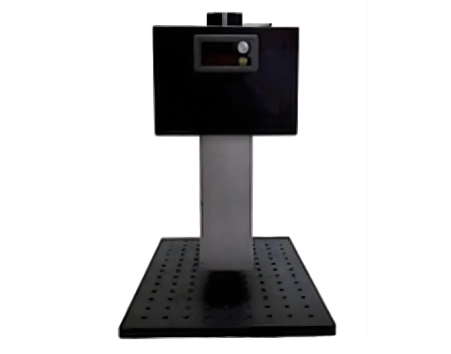
Spring Tensile and Compression Tester
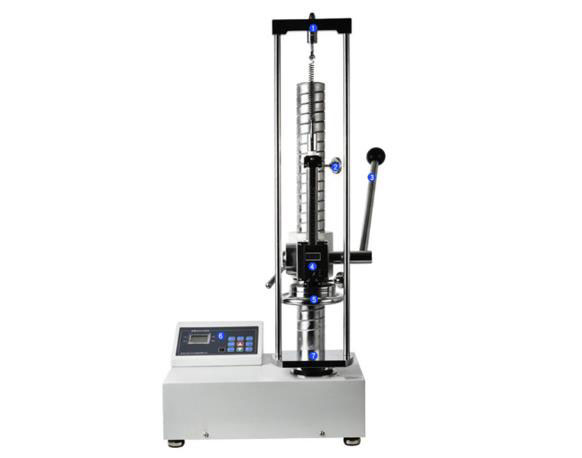


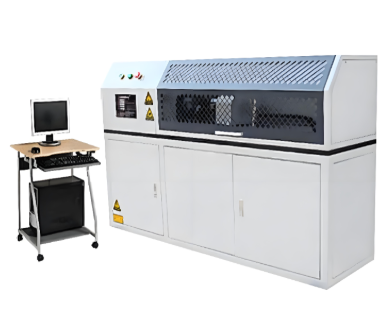
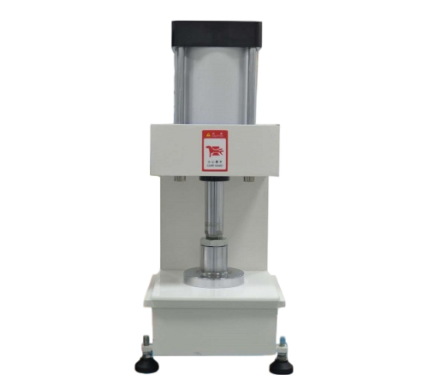
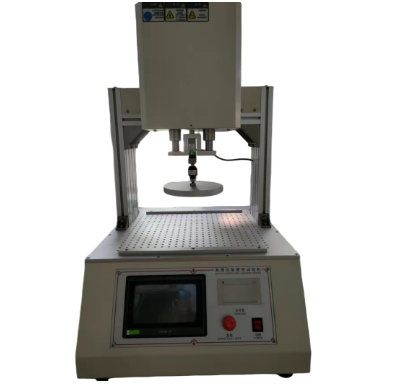
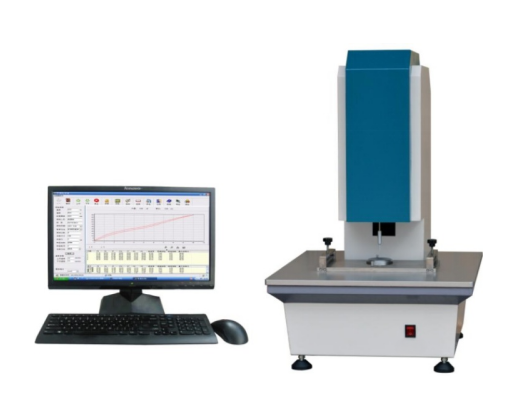
Spring Tensile and Compression Tester is a specialized testing instrument used to determine the relationship between load and deformation of tension springs and compression springs. It is suitable for testing the working load of springs under specified working lengths.
The instrument adopts an integrated single-chip microcomputer control system combined with an English LCD display. A metal enclosure is used to enhance structural stability and electromagnetic interference resistance, ensuring reliable and repeatable test results.
Application
The tester is used for mechanical performance evaluation of springs in terms of tensile force, compressive force, and displacement characteristics. Typical applications include:
Tension spring load testing
Compression spring load testing
Deformation–load relationship analysis
Quality control and incoming inspection
Laboratory research and production line testing
Standards
GB/T 1239 — Cold coiled helical springs — Technical requirements
ISO 2162 — Springs — Characteristics and test methods
ASTM A370 — Standard Test Methods and Definitions for Mechanical Testing of Steel Products
DIN 2095 — Testing of compression springs
Parameters
| Item | Specification |
|---|---|
| Maximum Test Force | 10 N / 20 N / 30 N / 50 N / 100 N / 150 N / 200 N / 300 N / 500 N / 1000 N / 2000 N / 3000 N / 5000 N |
| Test Force Resolution | 0.001 N / 0.01 N / 0.1 N |
| Displacement Resolution | 0.01 mm |
| Compression Stroke | 60 mm / 90 mm / 150 mm |
| Pressure Plate Diameter | φ34 mm / φ49 mm / φ108 mm |
| Maximum Spring Length | 80 mm / 150 mm / 200 mm |
| Indication Relative Error | ±1% |
| Power Supply | AC 220 V, 50 Hz |
Features
Integrated microcontroller control system for stable and accurate testing
English LCD display for clear reading of force and displacement values
Suitable for both tensile and compression spring testing
Metal housing improves durability and anti-interference performance
Multiple force ranges available to meet different testing requirements
Accessories
Standard pressure plates
Power cable
Operation manual
Test Procedure
Select the appropriate test force range according to the spring specification.
Install the spring between the upper and lower fixtures.
Set the required working length or displacement.
Start the test and apply load gradually.
Record the force value corresponding to the displacement.
Complete the test and remove the spring.
Maintenance Information
Keep the instrument clean and free from dust.
Do not exceed the maximum rated test force.
Periodically check fixtures and pressure plates for wear.
Calibrate the tester regularly to ensure measurement accuracy.
FAQ
What is this product?
It is a testing instrument used to measure tensile and compressive force characteristics of springs.
What is this product used for?
It is used to test the relationship between load and deformation of tension and compression springs.
Why is this product important?
Accurate spring testing ensures product safety, consistency, and compliance with mechanical performance requirements.
What industries is this product suitable for?
Automotive, machinery manufacturing, electronics, hardware, research laboratories, and quality inspection institutions.
What types of this product are available?
Multiple force ranges from 10 N to 5000 N are available, and non-standard configurations can be customized upon request.
Leave Message Get Price