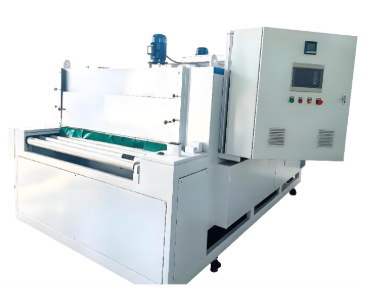
Photovoltaic Ammonia Test Chamber
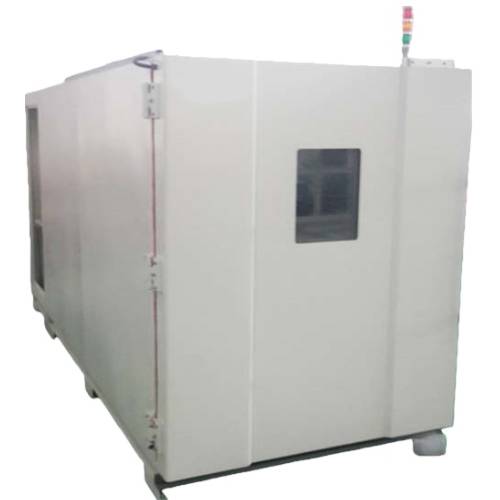


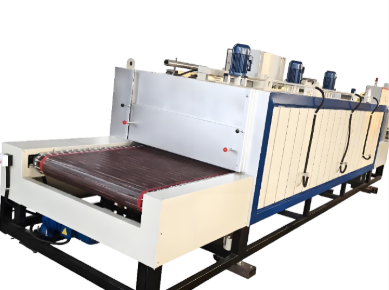
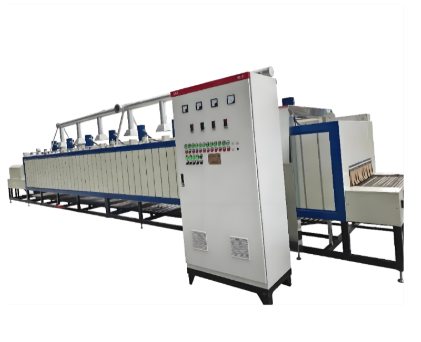
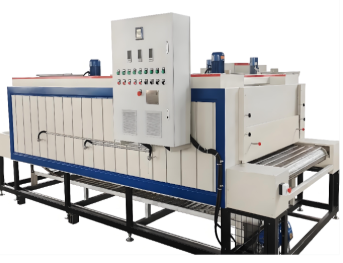
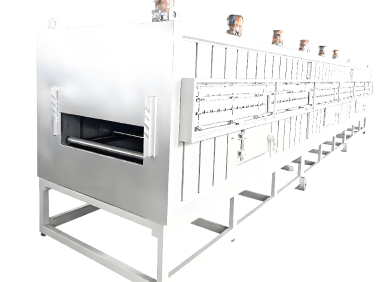
The Photovoltaic Ammonia Test Chamber is a high-precision environmental simulation facility specifically engineered to evaluate the corrosion resistance of PV modules in ammonia-rich atmospheres. Designed to address the unique challenges of agricultural and industrial installations, this chamber allows you to subject solar panels to controlled concentrations of ammonia gas, moisture, and heat. By replicating these harsh conditions, you can verify the long-term structural and electrical stability of your products before they are deployed in environments where high levels of ammonia are prevalent.
Applications
The Photovoltaic Ammonia Test Chamber is a testing device designed to evaluate the corrosion resistance of photovoltaic modules in ammonia environments, ensuring their long-term stable operation in harsh conditions such as industrial or agricultural settings.
Standards
IEC 62716: Photovoltaic (PV) modules—Ammonia corrosion testing (The core standard for this equipment).
IEC 61701: Salt mist corrosion testing of photovoltaic (PV) modules.
IEC 60068-2-52: Environmental testing—Part 2-52: Tests—Test Kb: Salt mist, cyclic (sodium chloride solution).
GB/T 2423.17 / GB/T 2423.18: Environmental testing for electric and electronic products—Salt mist testing methods.
IEC Draft 82/722/CDV: Specific requirements for integrated salt mist and ammonia gas exposure sequences.
Features
This equipment can independently perform all test procedures required by IEC 61701 and IEC Draft Standard 82/722/CDV. Specifically, spray testing at severity levels 1-6. damp heat storage, standard atmospheric environment testing, and sample cleaning phases are all completed within the NaCl corrosion chamber. Ammonia spray testing, damp heat storage, spray washing, and drying can all be performed within the NH3 corrosion chamber.
Parameters
| Item | Specifications |
|---|---|
| NH₃ Concentration | 0–10000 ppm (adjustable) |
| Ammonia Concentration Resolution | ±1 ppm |
| Temperature Control Range | 15°C ~ 70°C |
| Temperature Fluctuation | ≤ ±0.5°C |
| Temperature Deviation | ≤ ±1.0°C |
| Temperature Uniformity | ≤ ±2°C |
| Humidity Control Range | 40% ~ 100% RH (adjustable) |
| Humidity Deviation | ≤ ±2% RH |
| Humidity Uniformity | ≤ ±3% RH |
| Test Accuracy | ±2% |
Accessories
1.Ammonia Gas Dosing System: Precision mass flow controllers for accurate gas injection.
2.Ammonia Concentration Sensor: High-precision electrochemical or laser-based gas detectors.
3.Specimen Racks: Non-reactive, adjustable holders designed to support full-sized PV modules at standard angles.
4.Exhaust Scrubber Unit: A chemical neutralization system to safely treat ammonia-laden air.
5.NaCl Spray Module: Integrated nozzles and reservoir for salt mist phases (Standard Severity 1-6).
6.Deionized Water Rinse: Internal spray bars for automated sample cleaning between test stages.
Test Procedures
1.Preparation
Sample Preparation: Clean samples and secure them on the sample rack, ensuring they do not touch each other.
Solution Preparation: Prepare a 5% NaCl solution (pH 6.5-7.2) according to the standard.
2.Power-On Test
Power Connection: Connect the power supply and turn on the main switch.
3. Test Operation
Start Test: After confirming parameters are correct, press the “Start” button.
Spray Inspection: Once temperature is reached, the spray system will automatically activate. Observe spray uniformity.
4. Test Completion
Shutdown Procedure: Turn off the spray switch. Allow cooling to below 40°C before disconnecting power.
Sample Removal: Remove specimens for corrosion assessment.
FAQ
1.Why is ammonia corrosion testing critical for photovoltaic modules installed in agricultural environments?
Ammonia released from livestock waste and fertilizers can accelerate chemical degradation of polymer materials and metallic components. Ammonia corrosion testing allows you to assess these risks and verify long-term module reliability under real installation conditions.
2.Can ammonia corrosion testing and salt mist testing be performed in the same chamber?
Yes. The chamber is designed to support both IEC 61701 salt mist tests and IEC 62716 ammonia corrosion tests. Dedicated cleaning and purge procedures ensure that salt residues do not interfere with subsequent ammonia exposure stages.
3.How is operator safety ensured when working with high concentrations of ammonia?
The system incorporates continuous gas concentration monitoring, automated alarms, pressure relief structures, and an exhaust scrubber to prevent hazardous accumulation and ensure safe operation throughout the test.
4.How long does a typical ammonia corrosion test cycle last?
According to IEC 62716. a standard test sequence typically lasts 480 hours, including alternating ammonia exposure and high-humidity storage phases. The exact duration may vary depending on required severity levels.
5.Can electrical performance be monitored during ammonia exposure testing?
Optional electrical feedthroughs allow you to bias modules or measure insulation resistance and leakage current during testing, enabling real-time correlation between environmental stress and electrical performance.
6.What factors influence test repeatability in ammonia corrosion testing?
Key factors include ammonia concentration stability, temperature and humidity uniformity, specimen placement, and proper chamber cleaning between test stages. Maintaining controlled conditions ensures consistent and repeatable results.
Leave Message Get Price