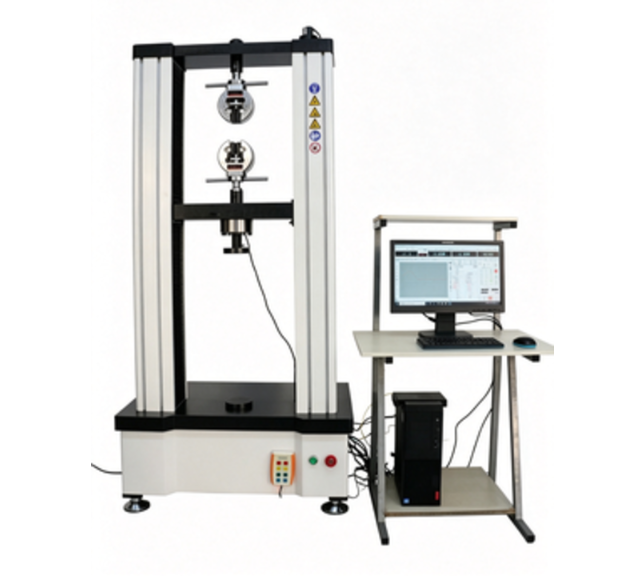
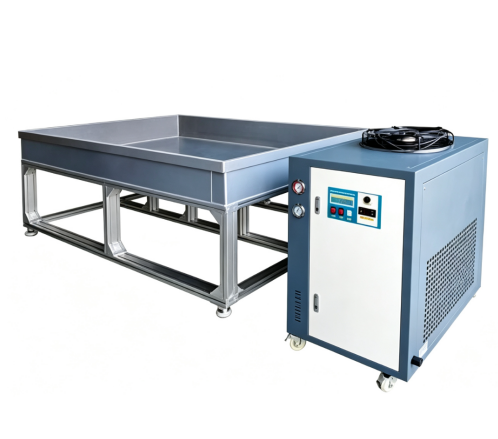
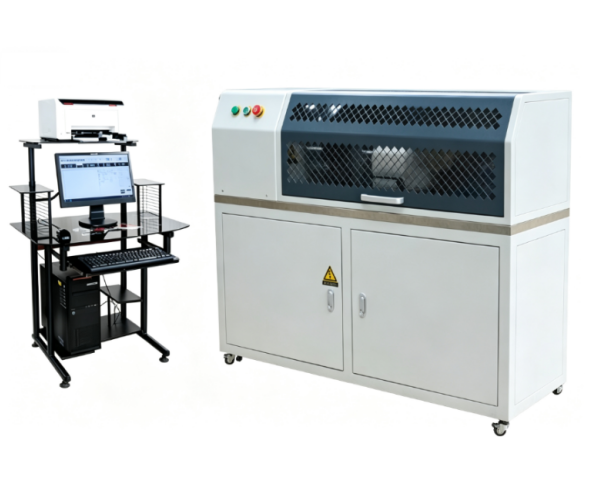
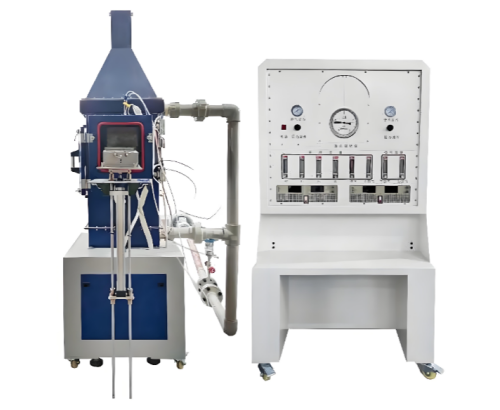
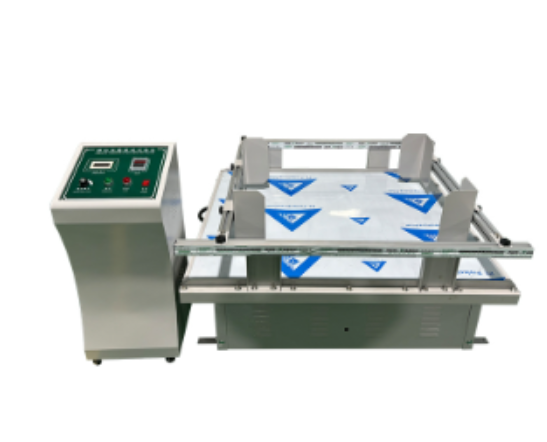
Temperature Humidity Vibration Combined Test Chamber
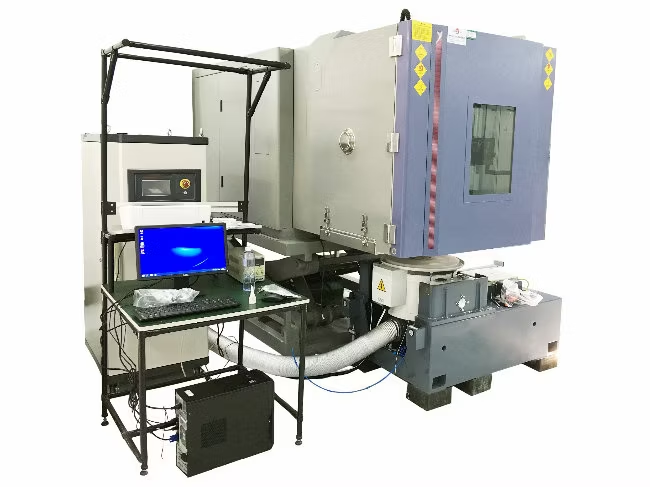


The Temperature-Humidity-Vibration Combined Test System is an advanced reliability testing platform that integrates climatic stress with mechanical vibration. By combining a high-performance environmental chamber with an electrodynamic or mechanical shaker, this system allows you to simulate the complex, multi-dimensional stresses that products face in real-world operating environments. It is engineered specifically to identify synergistic failure modes that single-stress tests might miss, making it an indispensable tool for safety screening and durability validation of critical assemblies.
Applications
Aerospace Sector: Evaluates the performance of aircraft components under temperature, humidity, and vibration conditions.
Electronics and Communications Industry: Conducts comprehensive testing on electronic components and communication equipment to assess their reliability in diverse environments.
Materials Science: Assists researchers in investigating changes in the physical and chemical properties of materials under varying environmental conditions, providing data support for new material development.
Automotive Manufacturing: Simulates the environmental conditions automotive components encounter in diverse climates and road conditions to evaluate their durability and reliability.
Standards
GB/T 2423.35 Procedures for combined temperature, humidity, and vibration testing, including environmental condition setting and performance monitoring
GB/T 28046.3 Focuses on automotive electrical and electronic systems, classifying severity by component installation location (e.g., engine, body) to simulate actual operating environments
GB/T 44279-2024 Covers combined temperature-humidity-vibration-low-pressure testing, enhancing simulation capabilities for extreme environments (e.g., high altitude or tropical climates)
IEC 60068-2-53 Test methods for electrical and electronic products under combined temperature, humidity, and vibration environments, emphasizing accelerated exposure of product failure modes through multi-stress superposition
ISO 16750-3 Prescribes coordinated testing of mechanical loads (vibration) and temperature conditions for automotive electronic equipment, ensuring component durability during vehicle operation
Features
1. Simultaneously simulate multiple environmental factors: Capable of concurrently simulating temperature, humidity, and vibration to more closely replicate actual product usage conditions, enhancing test accuracy.
2. Accelerates exposure of potential product defects: Through stress superposition, it expedites the manifestation of latent design flaws, manufacturing imperfections, or premature component failures, providing evidence for design enhancements.
3. Cost savings: Reduces equipment investment and testing space requirements, thereby lowering R&D and testing expenses.
Parameters
| Item | Specification |
|---|---|
| Temperature Range | -60°C ~ +150°C |
| Temperature Change Rate | ≥5°C/min (with load), average over the range of -40°C to 100°C |
| Temperature Deviation | ≤±2°C (no load, steady state) |
| Temperature Uniformity | ≤2°C (no load, steady state) |
| Temperature Fluctuation | ≤±0.5°C (no load, steady state) |
| Humidity Range | 20% R.H. ~ 98% R.H. |
| Humidity Deviation | +2% R.H. ~ -3% R.H. (when >75% R.H.), ±5% R.H. (when ≤75% R.H.) |
Test Procedures
Sample Preparation: Develop test protocols based on product type (e.g., electronic components or metal parts) and record baseline data.
Environmental Simulation: Simultaneously apply temperature (-70°C to 150°C), humidity (10%-98% RH), and vibration stress within the test chamber using a multi-channel closed-loop control system.
Intermediate Inspection: Conduct visual inspections, dimensional measurements, and electrical tests at critical test phases (e.g., temperature peaks), comparing before-and-after data.
Data Analysis: Evaluate specimen responses, identify failure modes (e.g., resonance or material aging), and compile detailed reports.
Accessories
(1) Removable Floor Panels: Customized interface plates to match different shaker head expanders.
(2) Flexible Thermal Bellows: High-temperature silicone or reinforced fabric sleeves to seal the shaker-to-chamber connection.
(3) Multi-Channel Accelerometers: For real-time monitoring of vibration response at different points on the specimen.
(4) Cable Access Ports: Standard 100mm or 150mm ports for power and signal lines to the device under test (DUT).
(5) CCTV Monitoring: High-definition internal camera system to record specimen behavior during high-intensity vibration.
FAQ
Q1: How do you handle condensation on the shaker head expander during low-temperature tests?
A: To prevent icing or moisture damage to the shaker's internal coils, we utilize a specialized "dry air purge" or "thermal barrier" system. This directs a flow of dry, room-temperature air around the shaker head to keep the moisture level below the dew point at the interface.
Q2: Does the vibration of the shaker affect the accuracy of the temperature sensors?
A: High-frequency vibration can cause mechanical resonance in standard probes. We use armored, vibration-resistant PT100 sensors and secure them with specialized damping clips to ensure the readings remain stable and accurate during the most intense test phases.
Q3: Can this system be used for "Battery Thermal Runaway" testing?
A: While it can simulate the environments that lead to thermal runaway, testing an actual runaway event requires additional safety features like explosion-proof vents, fire suppression (CO2 or Argon), and reinforced wall structures. Please consult us for an "Ex-rated" configuration if this is your intended use.
Q4: What is the maximum weight the system can handle during a combined test?
A: This depends on the force rating of your shaker, not just the chamber volume. When calculating load, you must include the weight of the specimen plus the weight of the "fixture" and "head expander." We can help you calculate the "Available G-level" based on your specific DUT mass.
Leave Message Get Price