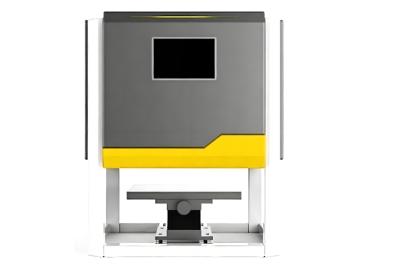
Zipper Smoothness Tester
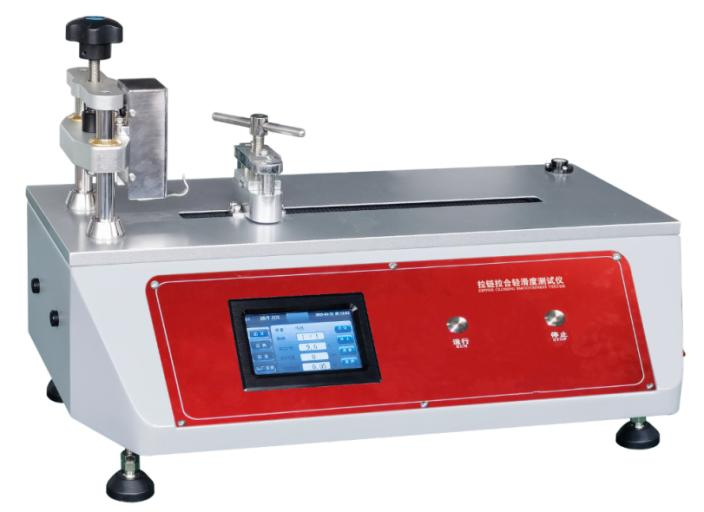


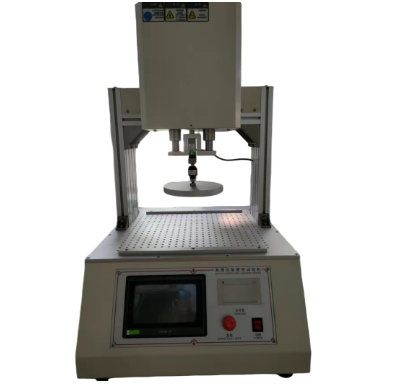
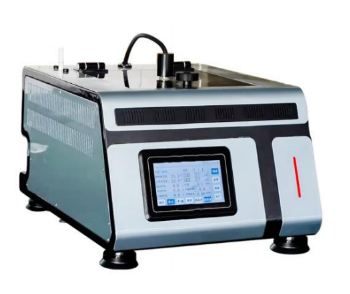
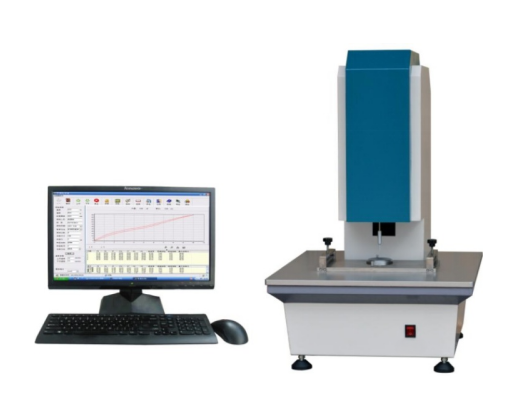
The Zipper Smoothness Tester is designed for precise evaluation of the pull force and smoothness of metal, injection-molded, and nylon zippers. It provides accurate measurement of the force required to open and close zippers, enabling quality control, product development, and standard compliance verification.
Application
Metal zippers on garments, jackets, and coats
Injection-molded plastic zippers for bags, luggage, and outdoor gear
Nylon coil zippers used in sportswear, backpacks, and tents
Decorative zippers on accessories and footwear
Industrial zippers used in protective clothing and equipment
This tester evaluates the smoothness, pull force, and consistency of zippers under simulated usage conditions.
Standards
(1) QB/T 2171 – Pull Force Measurement for Zippers (China)
(2) QB/T 2172 – Zipper Smoothness Evaluation (China)
(3) QB/T 2173 – Zipper Testing Methods (China)
(4) ISO 13936-2 – Textiles – Tensile properties of fasteners – Part 2: Determination of opening force of zippers (International)
(5) ASTM D2061 – Standard Test Methods for Mechanical Fasteners in Textiles (International)
(6) BS 3084 – Zipper Testing (UK)
(7) DIN 8330 – Zipper Requirements and Test Methods (Germany)
Parameters
| Parameter | Specification |
|---|---|
| Measurement Range | 0–50 N |
| Accuracy | ≤ ±0.5% F.S. |
| Maximum Test Length | 240 mm |
| Test Speed | 1250 ± 50 mm/min |
| Power Supply | AC220V, 50Hz, 50W |
| Dimensions (L×W×H) | 600 × 350 × 350 mm |
| Weight | 25 kg |
Features
Robust metal body with baked finish, offering durability and aesthetic appeal.
Stainless steel clamps and moving frame prevent rusting and ensure long-term reliability.
Control panel made of imported aluminum with responsive metal buttons, resistant to wear.
Force measurement system integrates precision load sensors with microcomputer processing for automatic force tracking, peak-hold, and auto-positioning.
Computer-controlled testing allows real-time data processing, display, and printing of force-extension curves.
Software provides comprehensive statistical analysis including maximum, minimum, average, and CV values, with automatic judgment of test results.
Accessories
(1) Main unit ×1
(2) Base supports ×4
(3) Printer interface
(4) Computer interface with communication cable and software (CD)
(5) Product certificate ×1
(6) User manual ×1
(7) Delivery note ×1
(8) Acceptance form ×1
(9) Product brochure ×1
Maintenance Information
Regularly clean the clamps and moving frame to prevent dust accumulation.
Verify calibration of the load sensor periodically according to the manual.
Inspect electrical connections and software updates to ensure accurate data acquisition.
Avoid exposure to excessive moisture or corrosive environments.
FAQ
What is this product?
A precision instrument for testing the pull force and smoothness of metal, plastic, and nylon zippers.
What is it used for?
To measure the smoothness and operational force of zippers, ensuring quality and compliance with standards.
Why is it important?
Accurate measurement of zipper performance helps manufacturers improve product durability, user experience, and adherence to standards.
Which industries is it suitable for?
Apparel, luggage, outdoor gear, footwear, accessories, and industrial protective equipment.
What types are available?
Standard models for metal, plastic, and nylon zippers with computer-controlled force measurement and data analysis.
Leave Message Get Price