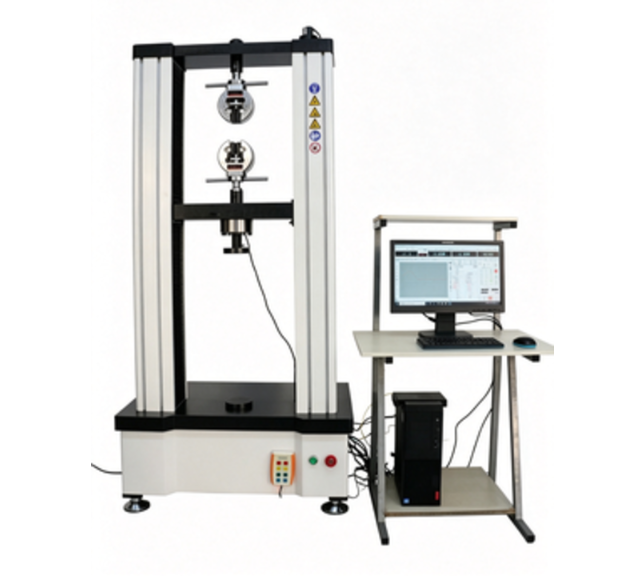
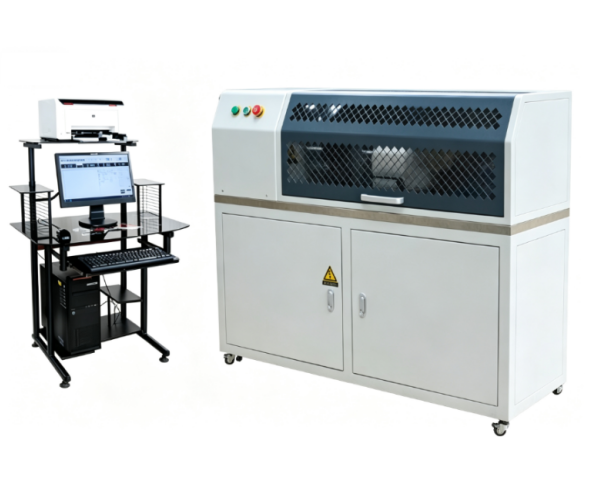
Carton Burst Strength Tester
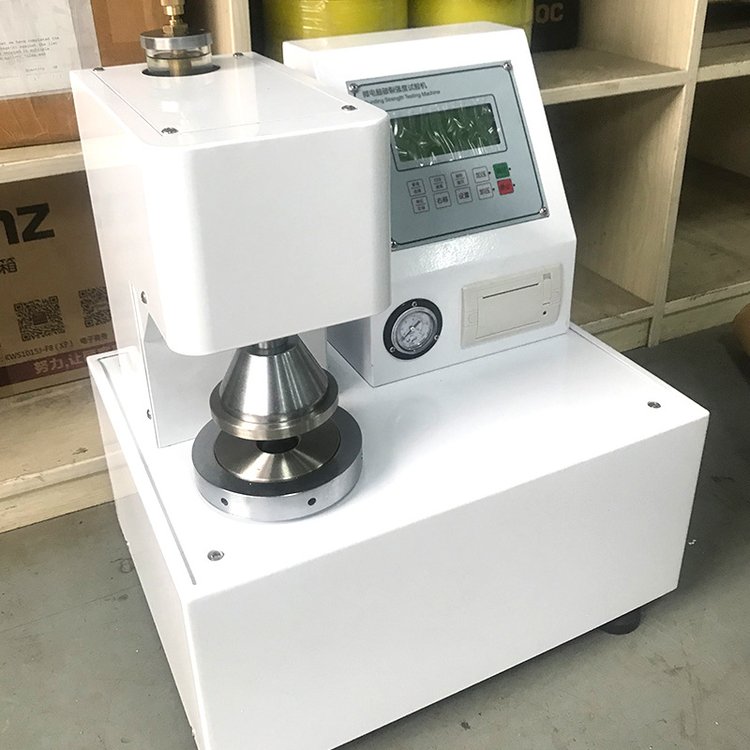


The Carton Burst Strength Tester is widely used for testing the bursting strength of packaging materials such as paper, corrugated cardboard, paperboard, tissue paper, packaging paper, synthetic leather, fabrics, leather, thin metal sheets, and more. The machine digitally displays the applied pressure, automatically records the burst strength when the sample fails, and provides a precise digital readout.
Applications
(1) Testing the burst strength of paper, cardboard, corrugated sheets, and other packaging materials.
(2) Evaluating quality control in packaging manufacturing.
(3) Assessing durability and material performance under pressure.
(4) Applicable for materials including paper, synthetic leather, textiles, and thin metal sheets.
(5) Useful in R&D, quality assurance, and laboratory testing environments.
Standards
(1) JIS L1004 – Paper and Paperboard – Determination of Bursting Strength
(2) JIS L1018 – Corrugated Fibreboard – Test Methods for Bursting Strength
(3) JIS L1031 – Testing Method for Bursting Strength of Paperboard
(4) K6328 – Korean Industrial Standard – Paper and Board Bursting Strength Test
(5) P8131 – Chinese National Standard – Paper Bursting Test Method
(6) P8112 – Chinese National Standard – Corrugated Board Bursting Strength Test
(7) ASTM D2210 – Standard Test Method for Laboratory Determination of Burst Strength of Paperboard
(8) TAPPI T403 – Standard Test Method for Mullen Burst of Paper
(9) ISO 2759:2001 – Paper – Determination of Burst Strength
(10) GB/T 1539 – Paperboard – Determination of Bursting Strength
Parameters
| Parameter | Specification |
|---|---|
| Sensing Method | Pressure transducer |
| Display Method | Digital display |
| Operation Mode | Semi-automatic |
| Force Units | kPa / psi (Lbs/in²) / kgf/cm² (switchable) |
| Capacity | High-pressure type: 0 – 100 kgf/cm² (0.1 kgf/cm² resolution) |
| Clamping Ring Material | Stainless steel SUS#304 |
| Clamping Ring Inner Diameter | Upper/Lower φ31.5 ± 0.05 mm |
| Hydraulic Fluid | Glycerin 85%, Distilled water 15% |
| Pressing Speed | High-pressure semi-automatic: 170 ± 10 ml/min |
| Motor | Anti-vibration motor 1/4 HP |
| Weight | 68 kg |
| Power Supply | 1∮ AC220V |
| Standard Accessories | 1 rubber membrane, 1 wrench, 10 calibration pieces, 1 bottle of glycerin |
Features
(1) Digital display provides accurate and real-time burst pressure readings.
(2) Automatic recording of burst strength at the moment of sample failure.
(3) Semi-automatic operation ensures consistent and repeatable test results.
(4) Multi-unit force display (kPa, psi, kgf/cm²) with easy unit switching.
(5) High-quality SUS#304 stainless steel clamp rings ensure durability and precision.
(6) Compact and stable design suitable for laboratory and production environments.
(7) Adjustable hydraulic press speed ensures uniform pressure application.
Accessories
(1) Rubber membrane (1 piece)
(2) Wrench (1 piece)
(3) Calibration pieces (10 pieces)
(4) Glycerin (1 bottle)
Test Procedures
Prepare the sample material and cut to required size.
Place the sample between the upper and lower stainless steel clamping rings.
Fill the hydraulic press with glycerin solution as specified (85% glycerin, 15% distilled water).
Set the desired test parameters and units on the digital display.
Operate the semi-automatic press to apply pressure uniformly.
Monitor the display; the machine automatically records the burst strength when the sample ruptures.
Remove the sample and note any observations regarding material failure.
Repeat for multiple samples to obtain average test results.
Maintenance Information
(1) Regularly check the hydraulic fluid level and top up as needed.
(2) Inspect the clamping rings for wear or damage.
(3) Calibrate the digital pressure display periodically using provided calibration pieces.
(4) Keep the machine clean and free from debris.
(5) Ensure motor and hydraulic components are serviced according to the manufacturer’s guidelines.
FAQ
What is this product?
A tester for evaluating the burst strength of cartons, paper, and other packaging materials.
What is it used for?
To determine the maximum pressure a material can withstand before rupture.
Why is it important?
Helps ensure packaging quality and prevent product damage during storage and transportation.
Which industries can use it?
Packaging manufacturing, logistics, laboratory testing, quality control, and R&D.
What types are available?
Semi-automatic digital burst strength testers; high-pressure models up to 100 kgf/cm²; customizable upon request.
Leave Message Get Price