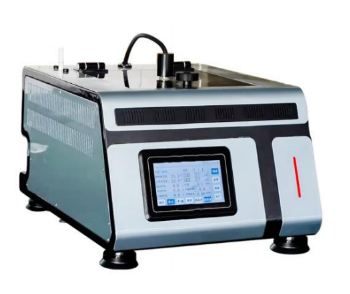
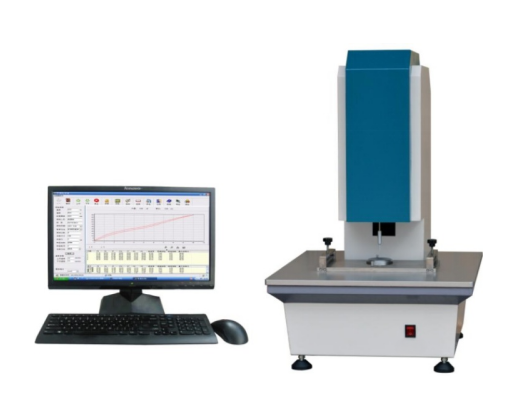
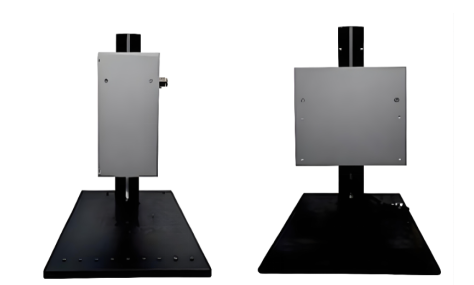
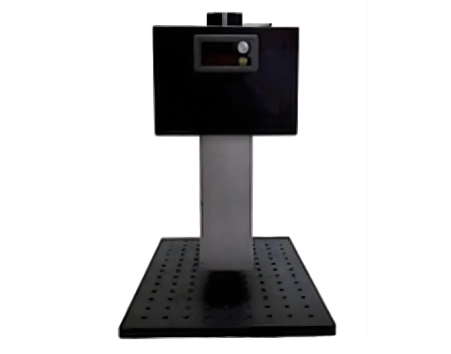
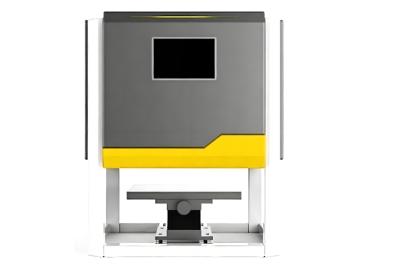
The Water Vapor Transmission Rate (WVTR) Tester
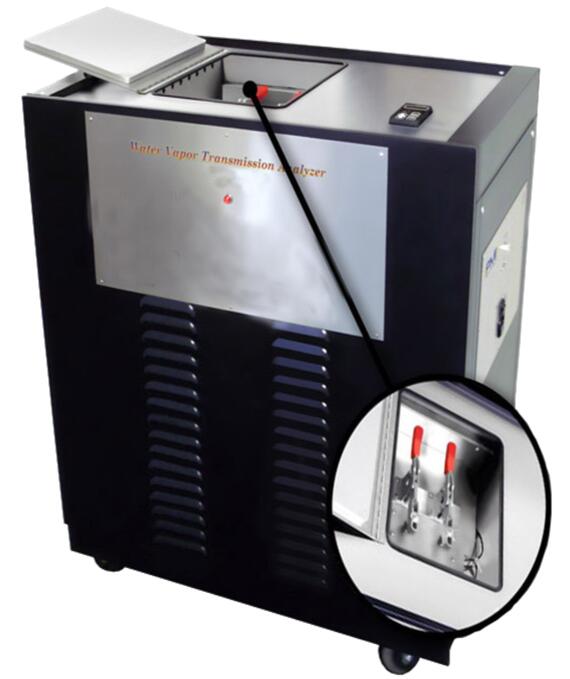


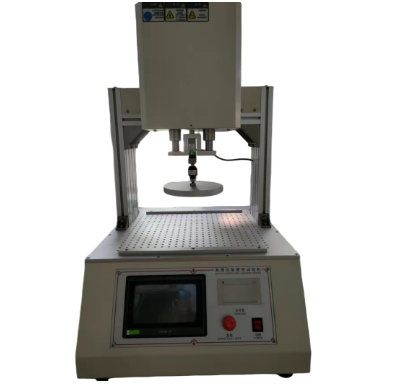
The Water Vapor Transmission Rate (WVTR) Tester is a precision testing instrument designed to measure the water vapor permeability and moisture barrier performance of various materials under controlled temperature, humidity, and pressure conditions. By independently controlling the gas flow and humidity environment on both sides of the specimen, the WVTR Tester accurately evaluates the rate of water vapor transmission through materials. It is widely used for quality control, material research, and performance evaluation of packaging, textile, medical, and industrial materials.
Applications
(1) Measurement of water vapor transmission through textiles, nonwovens, films, and leather.
(2) Testing of high-tech components and industrial consumer products for moisture barrier performance.
(3) Evaluation of food packaging materials for water vapor permeability.
(4) Filtration and membrane materials testing for moisture transport.
(5) Research and development in personal care, hygiene, and medical products.
(6) Performance testing for varying environmental conditions including humidity, temperature, and pressure gradients.
Standards
The WVTR Tester is compliant with the following international and national standards:
(1) GB 1037 – Test method for water vapor permeability of paper
(2) YBB0009-2003 – Medical material vapor transmission
(3) ASTM E96 – Standard Test Methods for Water Vapor Transmission
(4) GB/T 17146 – Textile water vapor permeability test
(5) GB/T 16928 – Leather water vapor permeability
(6) YY/T 0471.2 – Medical textile vapor transmission
(7) ASTM D1653 – Water vapor transmission rate of plastic films
(8) ISO 2528 – Textiles – Determination of water vapor permeability
(9) DIN 53122-1 – Plastic films – Water vapor transmission
(10) JIS Z 0208 – Textile materials water vapor transmission
(11) TAPPI T464 – Paper and board moisture transmission
Parameters
| Parameter | Specification |
|---|---|
| Humidity Range | 1% – 100% RH |
| Temperature Range | Ambient – 100°C |
| Pressure Difference Accuracy | ±0.15% |
| Mass Flow Sensor Accuracy | ±1% |
| Mass Flow Controller Accuracy | ±1% |
| Sample Size | Large range of flat specimens supported |
| Test Method | Independent gas flow on both sides of the sample, measuring humidity and gas flow to calculate WVTR |
| Automation | Fully automated testing, data acquisition, storage, and simplified reporting |
Features
(1) Independent control of humidity on both sides of the sample.
(2) Precise control of applied pressure gradients.
(3) Wide range of test temperatures to simulate application environments.
(4) Ability to control humidity gradients in the pressure cell.
(5) Supports a large variety of flat sample sizes.
(6) Fully automated testing, data acquisition, and data storage.
(7) User-friendly software interface for real-time monitoring and reporting.
Accessories
(1) Main WVTR tester unit
(2) Temperature and humidity sensors
(3) Gas flow controllers and mass flow sensors
(4) Sample holders for flat specimens
(5) PC interface and software (optional)
(6) Calibration kits (optional)
Maintenance Information
(1) Regularly clean sensors and sample holders to avoid contamination.
(2) Calibrate humidity, temperature, and flow sensors periodically according to standards.
(3) Check tubing and seals for leaks to maintain measurement accuracy.
(4) Avoid exposing the instrument to corrosive gases or extreme conditions.
(5) Perform software updates and backup data routinely.
FAQ
(1) What materials can be tested by a WVTR Tester?
The WVTR Tester is designed for flat materials including textiles, nonwovens, plastic films, paper, leather, packaging materials, and medical products. It evaluates their ability to resist or transmit water vapor under controlled testing conditions.
(2) Why is water vapor transmission testing important for packaging materials?
Water vapor transmission testing helps manufacturers evaluate moisture barrier performance of packaging films and containers. The test results support material selection and ensure products such as food, pharmaceuticals, and sensitive goods maintain required protection levels.
(3) Which standards are commonly used for WVTR testing?
Common WVTR test standards include ASTM E96, ISO 2528, GB 1037, and JIS Z 0208. Different standards define specific test methods, conditions, and evaluation requirements depending on the material type and application.
(4) How does the WVTR Tester improve test accuracy?
The instrument controls temperature, humidity, and pressure conditions while monitoring gas flow and moisture changes. This reduces environmental variation and provides repeatable results for research laboratories and quality control applications.
(5) What should be considered when selecting a WVTR Tester?
Users should consider tested materials, required standards, temperature and humidity conditions, sample size, and automation requirements. Selecting a suitable configuration ensures the instrument meets laboratory testing needs and industry compliance requirements.
Leave Message Get Price