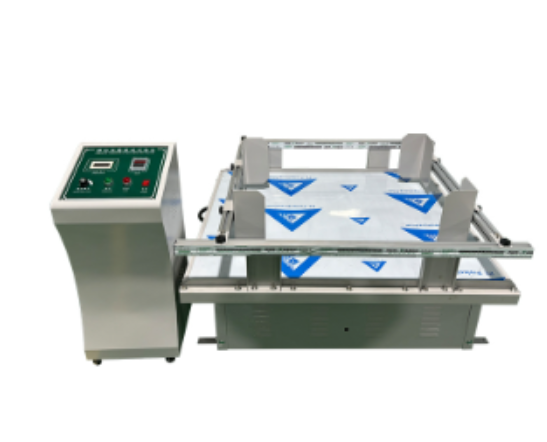
Automotive Connector Sand and Dust Test Chamber
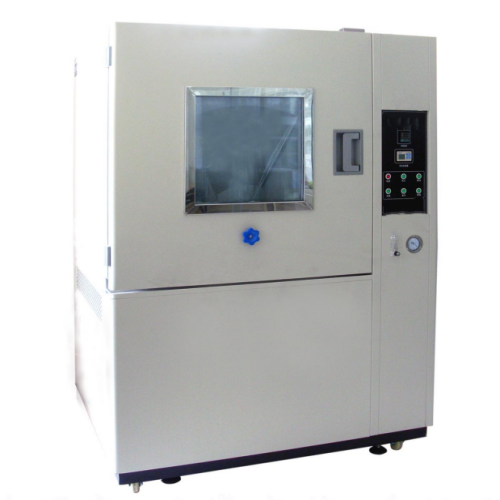


The Automotive Connector Sand and Dust Test Chamber is designed to evaluate the dust resistance and sealing performance of automotive connectors, housings, and related components. It simulates harsh dusty environments to verify the integrity and reliability of enclosures and electrical assemblies under controlled airflow and particulate conditions. The system ensures consistent, repeatable testing and helps manufacturers validate product compliance with international and domestic dust protection standards.
Application
This test chamber is suitable for a variety of automotive and electrical components that require dust resistance testing:
Automotive connectors and wire harnesses
Lighting components including headlights and tail lights
Instrument panels and electrical housings
Door lock assemblies and steering systems
Other sealed automotive parts that require verification of dust ingress protection (IP rating)
It is primarily used to simulate airborne dust exposure and assess sealing, enclosure integrity, and long-term durability of sensitive automotive components.
Standards
The chamber can be used to perform tests compliant with multiple standards:
(1) GB 2423 — Environmental testing for electrical and electronic products
(2) GB 4706 — Safety of household and similar electrical appliances
(3) GB 4208 — Ingress protection (IP) rating for electrical enclosures
(4) DIN 40050-9 — Protection of automotive electrical connectors
(5) IEC 60529 — IP rating testing for enclosures
(6) ISO 20653 — Road vehicles — Degrees of protection (IP code) for electrical equipment
Parameters
| Item | Specification |
|---|---|
| Metal mesh nominal spacing | 50 μm |
| Wire spacing | 70 μm |
| Airflow velocity | ≤ 2 m/s (standard) or ≥ 2 m/s (custom order) |
| Dust type | Dry talcum powder, silicate cement, fly ash, etc. |
| Dust density | 2–4 kg/m³ |
| Continuous or cyclic dusting | Programmable time settings |
| Vibration duration | 0–9999 min, adjustable |
| Fan circulation time | 0–9999 min, adjustable |
| Test fixture | 2 pieces standard |
| Dust supply | 2 kg talcum powder standard |
| Electrical power | AC 380V ±10%, 50Hz, 3-phase 5-wire system |
| Environmental usage | Ambient temperature: 5–28°C, relative humidity ≤ 85% |
| Chamber dimensions | Customizable per order |
| Mobility | PU wheels, fixed or lockable |
Features
Durable Construction: Outer shell made of high-quality carbon steel with phosphating and electrostatic spray finish; interior lined with SUS304 stainless steel polished sheet.
Transparent Observation: Tempered glass door allows real-time observation of the test process.
Precise Control: PLC-based programmable logic control for dusting, vibration, and optional vacuum systems.
Safe Operation: Equipped with Schneider contactors, Fuji relays, and Panasonic dustproof sockets for reliable operation.
Dust Preheating System: Stainless steel mica heating sleeves provide stable and controlled heating with timer function.
Vacuum System: Optional, with pressure gauge, air filtration, and pressure regulation (vacuum pump ordered separately).
Versatile Testing: Supports continuous or cyclic dusting, adjustable vibration, and multiple dust types.
Protection Systems: Leak, short circuit, overtemperature, motor overheat, overcurrent, and controller memory protection.
Low Noise Operation: High-quality multi-blade centrifugal fan with low-noise motor.
Accessories
(1) Test sample racks (2 pieces)
(2) Standard dust supply (2 kg talcum powder)
(3) PLC controller with touch interface
(4) Timer and program setting modules
(5) Dust preheating system
(6) Optional vacuum system with pump
(7) Protective electrical outlets (AC220V, 16A)
(8) Low-noise centrifugal fan
Test Procedures
Install the test samples on the provided sample racks inside the chamber.
Fill the dust supply system with the selected particulate material.
Set the airflow velocity, vibration duration, and dusting program via the PLC interface.
Start the test; observe samples through the tempered glass door.
For cyclic tests, verify intervals and dust settling according to the program.
Upon completion, switch off the system, release any residual dust, and remove the samples.
Evaluate the sealing, ingress, and dust accumulation to determine compliance with standards.
Maintenance Information
Regularly clean and inspect the metal mesh and interior chamber surfaces.
Replace or refill dust supply materials as needed.
Periodically check fan operation and bearings for wear.
Inspect electrical contacts, relays, and PLC system for proper functionality.
Calibrate airflow and vibration settings annually to maintain testing accuracy.
Ensure the chamber is kept in a dry, well-ventilated area to prevent corrosion.
FAQ
What is this product?
A test chamber designed to assess dust resistance and sealing performance of automotive connectors and components.
What is it used for?
Simulates dusty environments to verify enclosure integrity and the performance of seals, gaskets, and connector housings.
Why is it important?
Ensures the reliability of electrical and mechanical components exposed to dusty conditions, preventing premature failure in vehicles and devices.
Which industries use this product?
Automotive, electronics, home appliances, and other sectors requiring IP-rated dust resistance testing.
What types are available?
Standard dust chamber (≤2 m/s airflow), high-speed airflow chamber (≥2 m/s, custom order), and optional vacuum-assisted dust chamber.
Leave Message Get Price