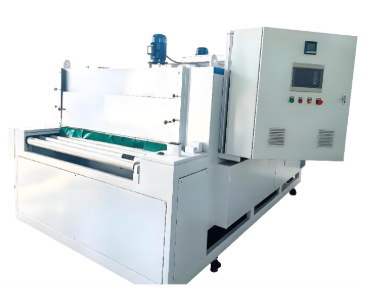
ISO 6722 Automotive Wire Ozone Aging Test Chamber
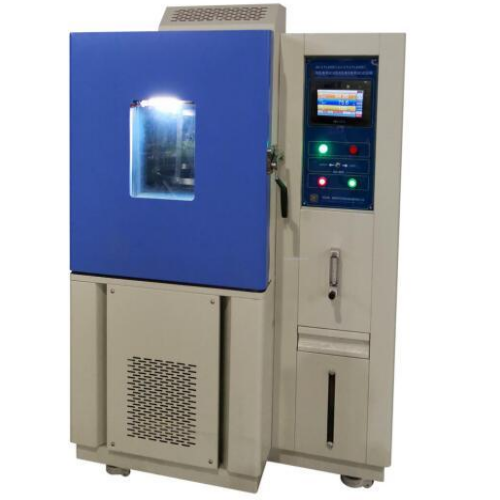


The Automotive Wire Ozone Aging Test Chamber is designed to evaluate the ozone aging resistance of rubber materials and rubber-based automotive wire insulation. The equipment simulates an ozone-rich environment under controlled temperature conditions to assess material degradation such as cracking, surface damage, and loss of mechanical properties caused by ozone exposure.
Application
(1) Ozone aging resistance testing of automotive electrical wires and cable insulation
(2) Durability evaluation of rubber and elastomer materials used in vehicle wiring systems
(3) Quality control and material validation for automotive component manufacturers
(4) Research and compliance testing for automotive rubber and polymer products
Standards
(1) ISO 6722 – Road vehicles — Cables with PVC insulation
(2) SAE J1128 – Low Voltage Primary Cable
(3) QC/T 730 – Automotive electrical wires
(4) JASO D611 – Test method for automotive cables
(5) ISO 1431 – Rubber, vulcanized or thermoplastic — Resistance to ozone cracking
Technical Parameters
| Parameter | Specification |
|---|---|
| Chamber Temperature Range | RT +10 ℃ to 60 ℃ |
| Temperature Uniformity | ±2 ℃ |
| Temperature Fluctuation | ±0.5 ℃ |
| Temperature Deviation | ±2 ℃ |
| Ozone Concentration Range | 10–1000 pphm (direct reading) |
| Ozone Concentration Accuracy | ≤ ±10% |
| Specimen Rack Rotation Speed | 2 r/min (adjustable) |
| Inner Chamber Dimensions | 400 × 500 × 500 mm |
| Power Supply | AC 380 V / 50 Hz |
| Rated Power | 3.5 kW |
Product Features
(1) Precisely controlled ozone concentration with direct digital reading.
(2) Stable temperature control ensuring uniform ozone aging conditions.
(3) Rotating specimen rack for consistent ozone exposure on all sample surfaces.
(4) High-accuracy sensors for reliable and repeatable test results.
(5) Designed specifically for automotive wire and rubber insulation testing.
(6) Robust chamber construction suitable for long-duration aging tests.
Operating Procedure
(1) Place test specimens on the rotating sample rack.
(2) Set the required temperature and ozone concentration.
(3) Start the test and allow the chamber to reach stable conditions.
(4) Run the aging test for the specified duration according to the standard.
(5) Remove samples and evaluate surface cracking, aging, and performance changes.
Maintenance Information
(1) Regularly calibrate ozone concentration and temperature sensors.
(2) Keep the chamber clean and free from rubber residue or contaminants.
(3) Inspect sealing components to prevent ozone leakage.
(4) Ensure proper ventilation and safe ozone exhaust operation.
(5) Periodically check electrical and control system stability.
FAQ
What is this product?
The Automotive Wire Ozone Aging Test Chamber is a laboratory device for evaluating the ozone aging resistance of automotive wires and rubber materials.
What is it used for?
It is used to simulate ozone exposure to assess cracking, aging, and durability of wire insulation and rubber components.
What types of materials can be tested?
Automotive electrical wires, rubber insulation, elastomers, and related polymer materials.
Which industry problems does it solve?
It helps manufacturers verify material durability, meet automotive standards, and prevent premature insulation failure.
How is the test performed?
Samples are exposed to controlled ozone concentration and temperature while rotating, ensuring uniform aging conditions throughout the test.
Leave Message Get Price