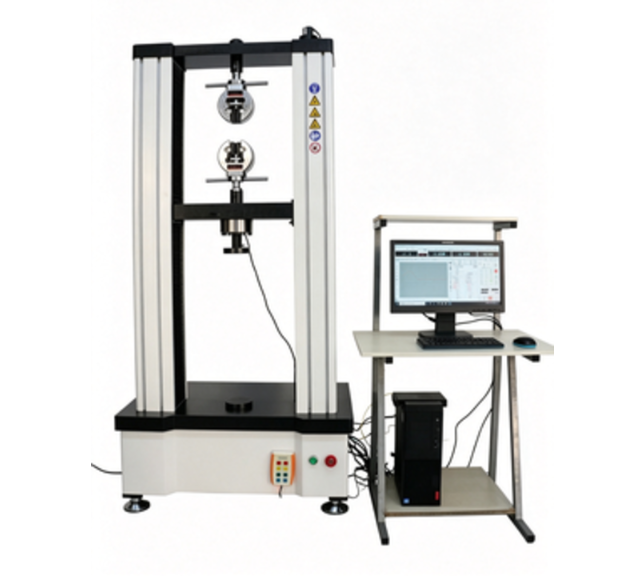
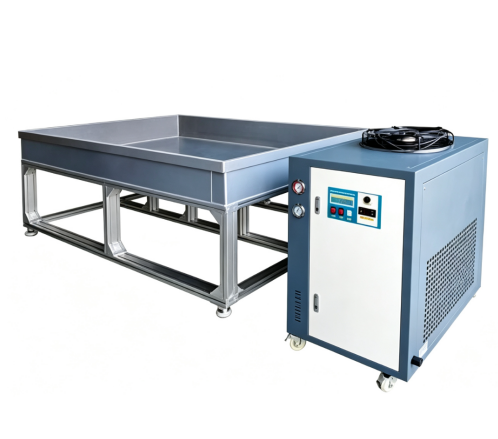
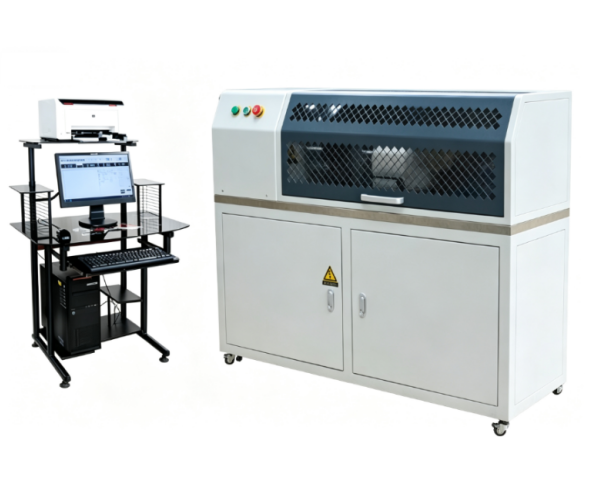
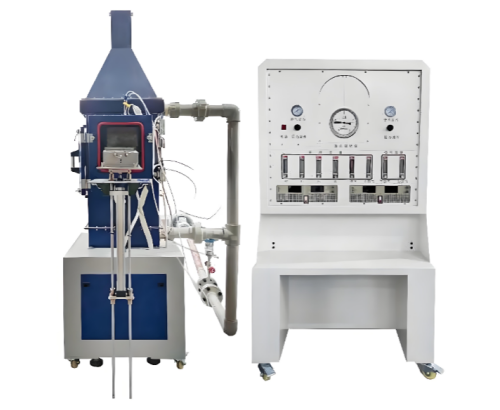
T114 Atomization Tester
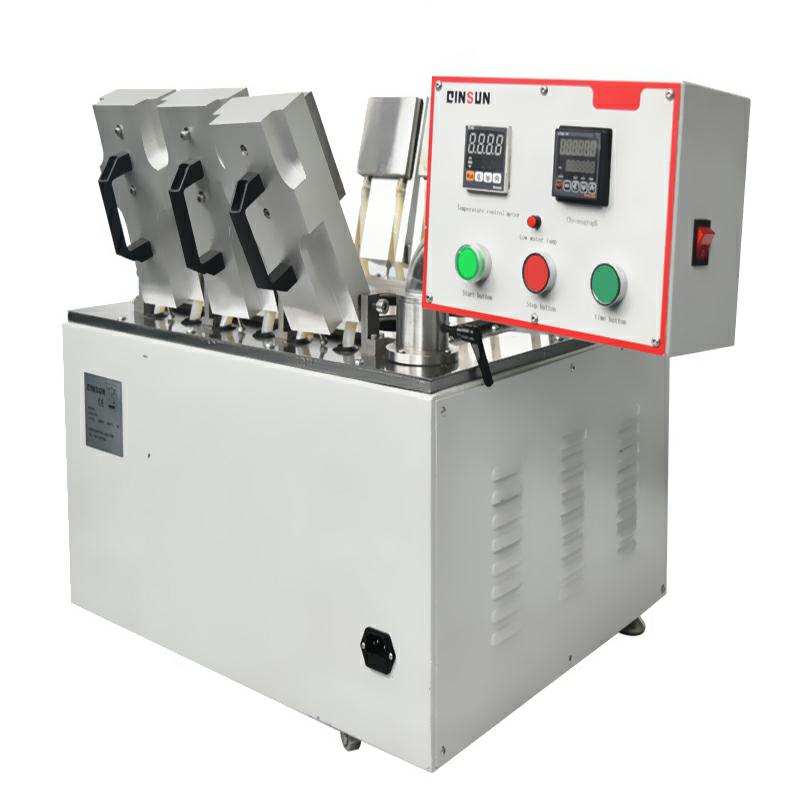


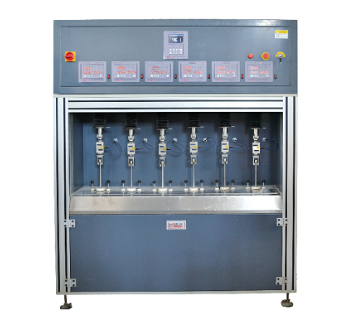
The QINSUN T114 Atomization Tester is designed to evaluate the volatilization and condensation characteristics of automotive and aerospace interior materials under high-temperature conditions. It measures the fogging tendency of plastic components, polyurethane, textiles, leather, adhesives, non-woven fabrics, and thermoplastic elastomers, providing critical data for assessing material performance and compliance with industry standards. The device supports multiple testing methods, including gloss method, haze method, and gravimetric method, depending on the applicable standard and accessories used.
Application
(1) Evaluation of fogging and volatile emissions of automotive interior plastics and components
(2) Testing polyurethane, textile, leather, adhesives, non-woven fabrics, and thermoplastic elastomers
(3) Assessment of high-temperature condensation in xenon lamp tests for vehicle windshields and front panels
(4) Laboratory testing for automotive and aerospace material R&D
(5) Quality control for interior material suppliers
Standards
(1) PV3015 – Volkswagen fogging test
(2) DIN 75201 – Automotive interior material fogging determination
(3) SAE J1756 – Automotive interior materials condensation characteristics
(4) ISO 6452 – Rubber and plastics coated fabrics: fogging performance
(5) QB/T 2728 – Leather physical and mechanical testing
(6) NES M0161 – Interior material fogging evaluation
(7) ES-X83231 – Automotive interior material fogging test
(8) QB/T 5068-2017 – Fogging determination of vehicle plastics
(9) D45 1727 – Cabin interior material fogging
(10) GM 9305P – GM interior material fogging
(11) TSM 0503G – Toyota non-metallic material fogging
(12) PV3920 – Non-metallic interior component fogging test
(13) BS EN 14288 – Leather: determination of fogging properties
Parameters
| Parameter | Value |
|---|---|
| Test Stations | 6 |
| Heating Power | 3000 W |
| High-Temperature Chamber Temp. Range | Room temp – 150°C |
| High-Temperature Control Accuracy | ±0.1°C (150°C) |
| Low-Temperature Chamber Temp. Range | 0 – 150°C |
| Low-Temperature Control Accuracy | ±0.1°C |
| Low-Temperature Chamber Dimensions | 400 × 400 × 1100 mm |
| High-Temperature Chamber Dimensions | 750 × 750 × 650 mm |
| High-Temperature Chamber Weight | 50 kg |
| Low-Temperature Chamber Weight | 30 kg |
| Power Supply | AC 220V, 50Hz |
| Testing Methods | Gloss method, Haze method, Gravimetric method |
Features
(1) Six test stations to evaluate multiple samples simultaneously
(2) Precise temperature control in both high- and low-temperature chambers
(3) High reproducibility for condensation measurements on glass or aluminum plates
(4) Supports multiple measurement methods: gloss, haze, and gravimetric
(5) Compatible with various fogging standards and automotive specifications
(6) Solid construction with reliable thermal insulation and stable operation
Accessories
(1) Main unit ×1
(2) Thermostatic controller (cooling device) ×1
(3) Glass beakers (fogging cups) ×6
(4) Round glass plates ×6
(5) Square glass plates ×6 (for reflective method)
(6) Haze meter ×1
(7) Metal rings ×6
(8) Fluoro-rubber sealing rings ×6
(9) Aluminum foil ×1 pack
(10) φ80 mm sampler ×1
(11) Di-octyl phthalate (DOP)
(12) Silicone oil (heat transfer oil) / 32 kg
(13) Di-isononyl phthalate (DIDP)
Test Procedures
Place samples into the fogging cups and position them in the high-temperature chamber.
Set the desired temperature profile for heating and condensation.
Volatilized components condense onto cooled glass or aluminum plates in the low-temperature chamber.
After completion, remove the plates and measure fogging values via gloss, haze, or gravimetric methods depending on the selected standard.
Compare measured results against reference or baseline data to determine material fogging characteristics.
Maintenance Information
(1) Regularly clean glass plates and fogging cups to prevent residue build-up.
(2) Check seals and metal rings for wear and replace as necessary.
(3) Maintain silicone oil levels for proper heat transfer.
(4) Inspect electrical connections and thermostatic controllers for correct operation.
(5) Calibrate haze meter and gloss meter periodically to maintain measurement accuracy.
FAQ
What is this product?
It is a fogging (atomization) tester for evaluating volatile emissions and condensation characteristics of automotive and aerospace interior materials.
What is it used for?
To determine the tendency of interior materials to release volatile components under high-temperature conditions, which may condense on glass or metal surfaces.
Why is it important?
Ensures materials do not produce excessive fogging in vehicles, maintaining visibility and passenger safety.
Which industries is it suitable for?
Automotive, aerospace, and laboratory material testing and quality control.
What are the similar products?
Automotive interior fogging testers, xenon lamp condensation testers, material volatile emission testers.
Leave Message Get Price