Fuel Water Separator Test Bench
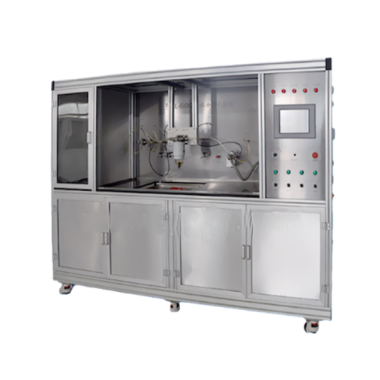


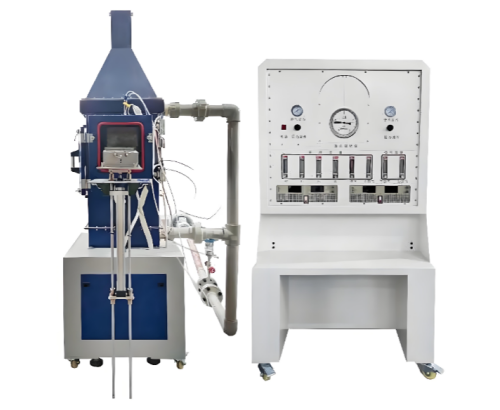
The Fuel Water Separator Test Bench is a precision testing system designed to evaluate the water separation performance and filtration efficiency of diesel engine fuel filters. The system simulates actual fuel operating conditions and measures key performance indicators, including water separation efficiency, differential pressure, system pressure, flow rate, and medium temperature. It is suitable for fuel filter research, product validation, quality inspection, and performance certification according to international testing requirements.
Application
(1) Development and R&D of new fuel filter products for diesel engines.
(2) Comparative performance testing of domestic and imported fuel filters.
(3) Quality control and production line verification of fuel filters.
(4) Third-party testing, certification, and regulatory inspections.
(5) Simulation of real fuel flow conditions to measure water separation efficiency and differential pressure.
(6) Evaluation of cleanliness and contamination resistance of fuel filters.
Standards
(1) ISO/TS 16332-2006 — Diesel engines: Diesel filters — Evaluation of fuel-water separation performance.
(2) ISO 4020-2001 — Road vehicles: Fuel filters for diesel engines — Test methods for cleanliness and performance.
(3) SAE J905-1999 — Diesel fuel filter test methods for water separation and pressure drop.
(4) GB/T 24665 — Automotive diesel fuel filter performance testing (China national standard).
Parameters
| Parameter | Unit | Value |
|---|---|---|
| Test flow rate | L/h | 60 – 600 or 30 – 300 |
| System pressure | MPa | 1 |
| Medium temperature | °C | Room temperature (optional heating/cooling) |
| Water flow rate | mL/min | 1.5 – 200 |
| Orifice plate | – | Domestic or imported |
| Test fuel | – | 0# diesel |
| Test oil tank volume | L | 75 (final design) |
| Water tank volume | L | 15 (final design) |
Features
(1) Automated Data Acquisition — Key parameters including flow rate, system pressure, and differential pressure are automatically recorded and logged.
(2) Variable Flow Control — Flow rate precisely regulated via frequency converter for flexible and accurate testing.
(3) Comprehensive Protection — Hydraulic and electrical protections, including leakage, overload, and emergency stop functions.
(4) Robust Construction — Aluminum alloy frame with stainless steel panels and engraved markings, seamless stainless steel piping for durability and contamination-free operation.
(5) Customizable Design — Test parameters, flow ranges, and operating conditions can be tailored to customer requirements.
(6) High Repeatability — Ensures accurate and consistent measurement for R&D and quality control purposes.
Maintenance Information
(1) Regularly clean test tanks, pipelines, and orifice plates to avoid residue buildup.
(2) Inspect hydraulic connections and electrical systems for leaks or wear.
(3) Calibrate sensors and flow meters periodically for accurate measurements.
(4) Check emergency stop and safety protection functions before operation.
FAQ
(1) What is this product?
– The Fuel Water Separator Test Bench is a system for testing the water separation performance and cleanliness of diesel engine fuel filters.
(2) What is it used for?
– It evaluates water separation efficiency, differential pressure, flow rate, and cleanliness of fuel filters to ensure reliable performance and compliance with standards.
(3) What types of this product exist?
– The system can be configured for different flow ranges (30–300 L/h or 60–600 L/h) and can include optional heating/cooling for medium temperature control.
(4) What industry problems does it solve?
– Ensures diesel fuel filters meet international performance standards.
– Detects poor water separation and contamination issues in filters before installation.
– Supports R&D and production quality control for reliable fuel system protection.
(5) How is it operated?
– Install the fuel filter, set flow rate and system pressure, run the test, monitor water separation and differential pressure, and generate test reports using the automated data acquisition system.
(6) Why is differential pressure testing important for fuel filters?
Differential pressure reflects the resistance caused by the filter element during fuel flow. Monitoring pressure loss helps evaluate filtration efficiency, flow performance, and whether the filter design meets engine fuel supply requirements.
(7) How should a laboratory select the suitable test configuration?
Selection depends on fuel filter size, expected flow range, applicable standards, and testing purpose. Laboratories should confirm sample requirements and test conditions with QINSUN engineers before choosing the appropriate configuration.
Leave Message Get Price